Heavy lifting is one of the most misunderstood topics in the forklift world. Many buyers assume “bigger is better,” but the right heavy-duty forklift depends on load size, load center, terrain, usage time, and safety limits.
The best forklift for heavy lifting depends on your load weight and working conditions:
- Diesel forklifts handle 5–32 tons outdoors
- Rough-terrain forklifts lift 3–10 tons on uneven ground
- Container handlers lift 25–52 tons in ports
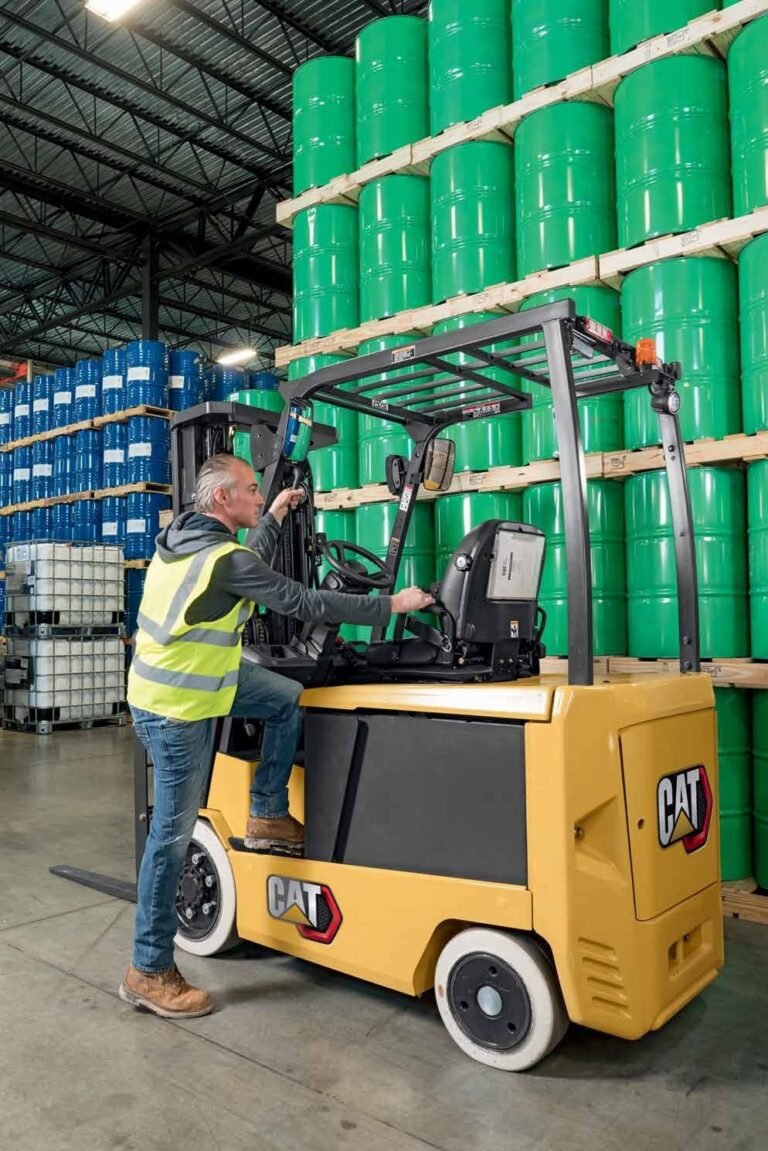
- Electric forklifts (1.5–3.5T) are best for heavy pallet lifting inside warehouses
I’ve seen buyers overspend on oversized machines—or worse, choose under-specced units that risk tipping. Choosing correctly matters.
H2-1: What Defines a “Heavy-Lifting” Forklift?
A heavy-lifting forklift is defined by its rated capacity, load center stability, frame strength, and powertrain torque.
The industry typically classifies heavy-duty forklifts as 5 tons and above, but “heavy” varies by sector:
- Stone yards → 8–12 tons
- Steel mills → 16–32 tons
- Ports → 25–52 tons
Understanding your real load profile prevents overbuying and improves operational safety.
H3-1.1: Load Center, Geometry, and Real Lifting Stress
A forklift’s capacity is based on a specific load center (500–600 mm).
If the load is longer or unevenly stacked, real capacity decreases sharply.
A 3-ton pallet can behave like 5 tons if the load center is extended.
H3-1.2: Frame Structure, Mast Stiffness, and Hydraulic Strength
Heavy lifting stresses:
- Mast channels
- Hydraulic cylinders
- Frame rigidity
- Welding points
High-strength steel and reinforced masts prevent dangerous deflection during max-height lift.
H3-1.3: Powertrain Torque and Duty Cycle Requirements
- Diesel engines → highest torque, best for continuous lifting
- Electric (<4T) → stable torque for warehouses but not outdoor extreme loads
- Duty cycle determines cooling requirements and axle configuration
H2-2: Which Forklift Types Are Best for Heavy Lifting?
The best forklifts for heavy lifting include:
- Diesel heavy-duty forklifts (5–32T)
- Rough-terrain forklifts (3–10T)
- Container handlers & port forklifts (25–52T)
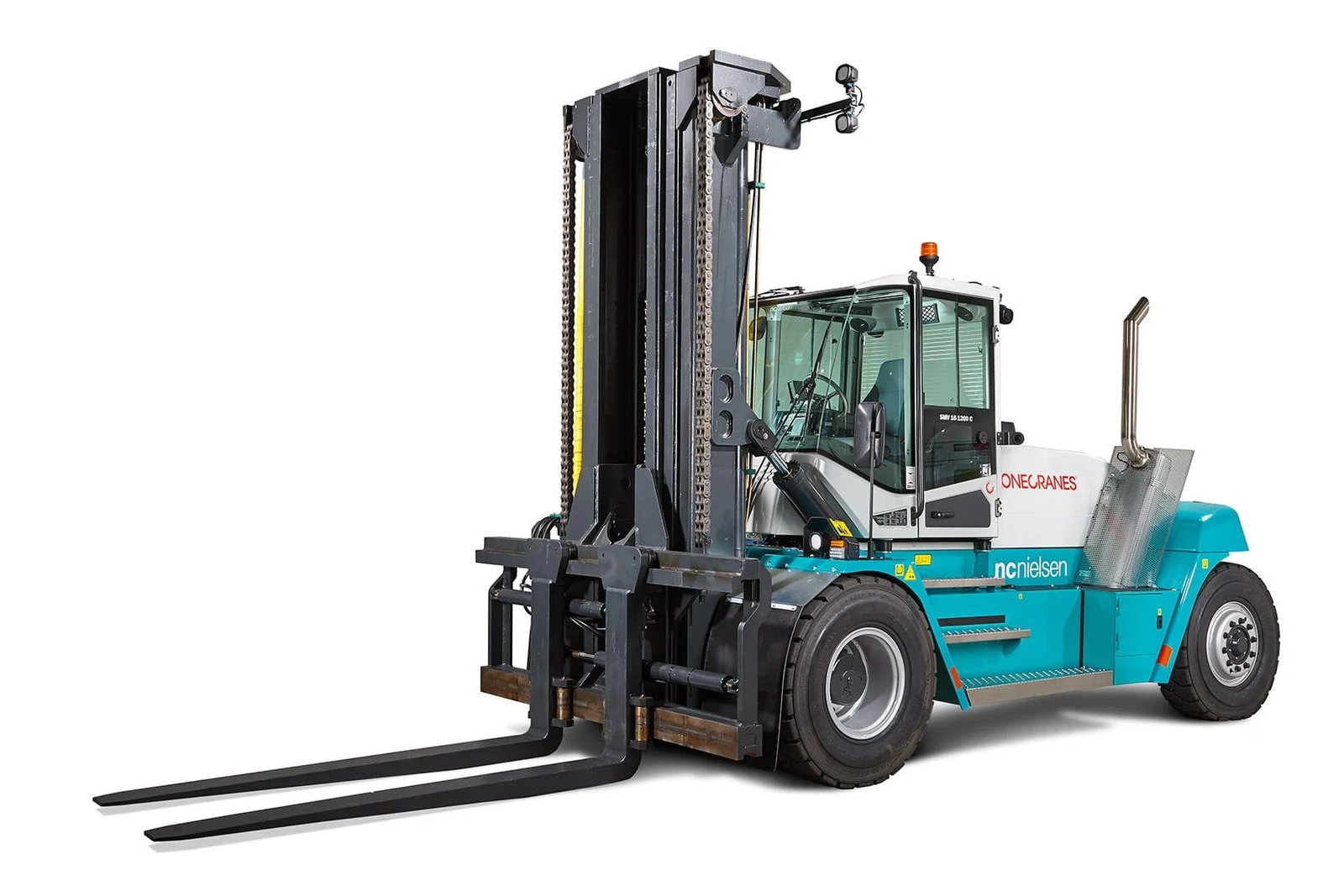
H3-2.1: Diesel Heavy-Duty Forklifts (5–32 tons)
Diesel forklifts dominate heavy lifting thanks to:
- High torque
- Oversized masts
- Reinforced chassis
- Large pneumatic tires
Common in:
- Steel mills
- Stone factories
- Machinery plants
- Ports
Many quarries prefer 10–12T diesel units for block handling.
H3-2.2: Rough-Terrain Forklifts (3–10 tons)
For uneven ground environments:
- Construction sites
- Farms
- Mining areas
High ground clearance and off-road tires provide stability.
H3-2.3: Container Handlers & Port Forklifts (25–52 tons)
Used for:
- Loaded containers
- Steel coils
- Heavy industrial modules
These machines operate 24/7 with advanced hydraulic and cooling systems.
H4-2.3.1: Reach Stackers vs Heavy Forklifts
Reach stackers (40–45T):
- Use telescopic booms, not forks
- Designed for container logistics
- Overkill for general heavy lifting
H4-2.3.2: Why Electric Heavy-Duty Forklifts Are Emerging
Lithium-powered 6–12T forklifts offer:
- Zero emissions
- Strong torque
- Indoor heavy-duty use
But require large battery packs.
H2-3: Key Specifications That Determine Heavy-Lifting Performance
Heavy lifting performance depends on:
- Load center
- Mast height
- Hydraulic pressure
- Tire type
- Wheelbase length
- Counterweight design
H3-3.1: Load Center, Fork Length, and Attachment Weight
Attachments reduce rated capacity.
A forklift rated 5T at 600 mm may lift only 3.5T at 900 mm with long forks or clamps.
H3-3.2: Mast Height, Stability, and Deflection Control
Higher lifting reduces safe capacity.
Excessive mast sway indicates structural weakness or overload.
H3-3.3: Axle Capacity, Tire Configuration, and Brake Strength
Heavy forklifts require:
- Reinforced axles
- Hydraulic wet brakes
- Pneumatic tires
H4-3.3.1: Why Cooling Systems Matter Under High Load
Heat damages hydraulic seals and pump components.
H4-3.3.2: Counterweight Design and Rear Stability
Massive cast counterweights ensure balance during heavy lifting.
H2-4: Best Forklift Models for Heavy Industry Applications
Different industries require different heavy-duty models.
H3-4.1: Steel Plants & Metal Fabrication (10–32T)
These loads require:
- Long wheelbases
- Strong hydraulics
- Heavy masts
H3-4.2: Stone & Granite Industry (8–16T Diesel or Rough-Terrain)
Stone loads are uneven and require reinforced forks.
H3-4.3: Ports, Container Yards & Logistics Hubs (25–52T)
Ports rely heavily on:
- Container handlers
- Large diesel forklifts
- Strong cooling systems
H4-4.3.1: Manufacturing Plants (6–12T)
Best for moving molds, dies, or CNC machinery.
H4-4.3.2: Mining & Outdoor Construction (3–10T RT)
Rough-terrain models provide traction on unstable surfaces.
H2-5: When Is a Voltruk Electric Forklift Strong Enough for Heavy Lifting?
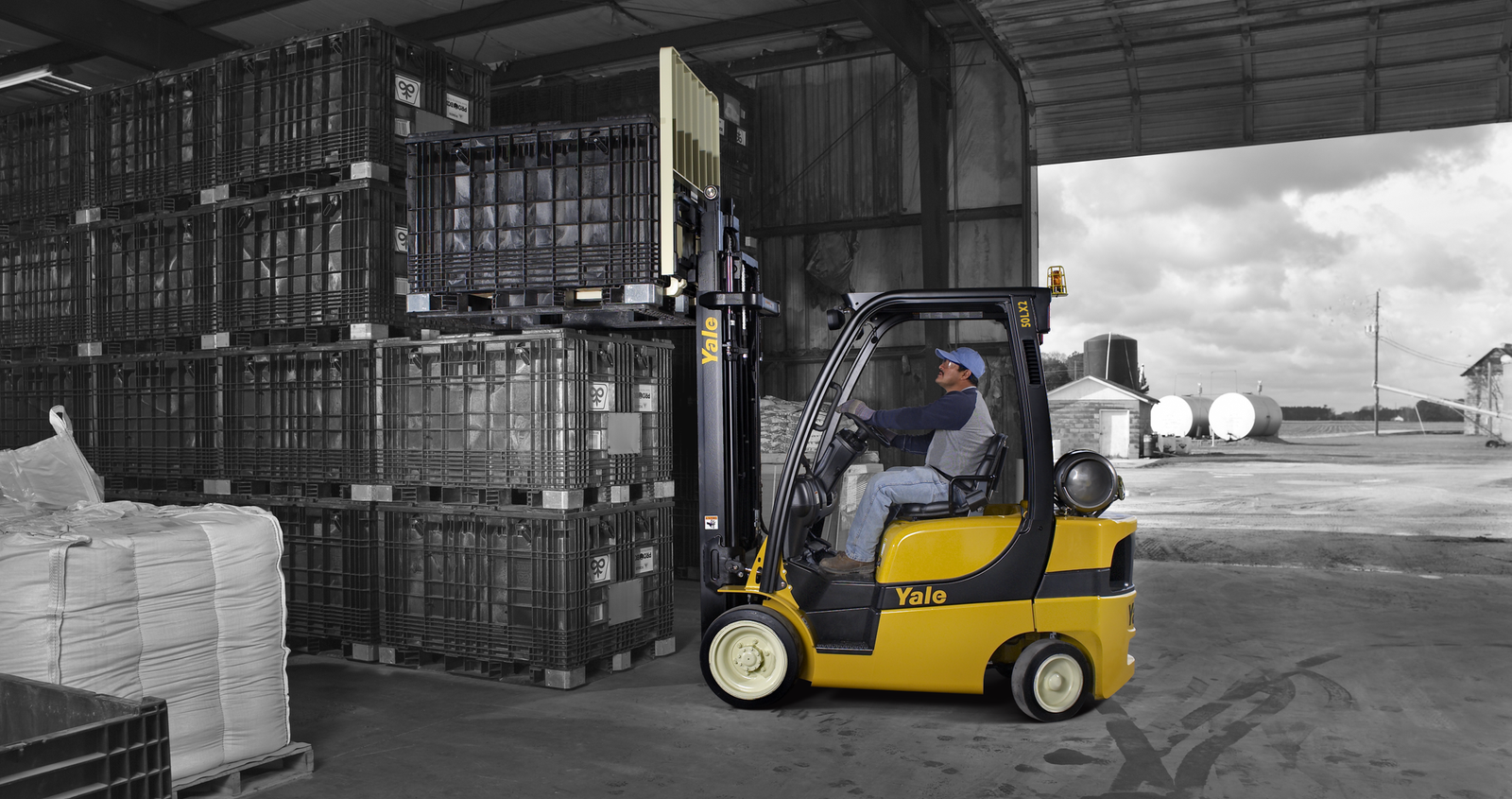
Voltruk electric forklifts are ideal for warehouse heavy loads up to 3.5 tons.
In warehouses, “heavy lifting” usually means:
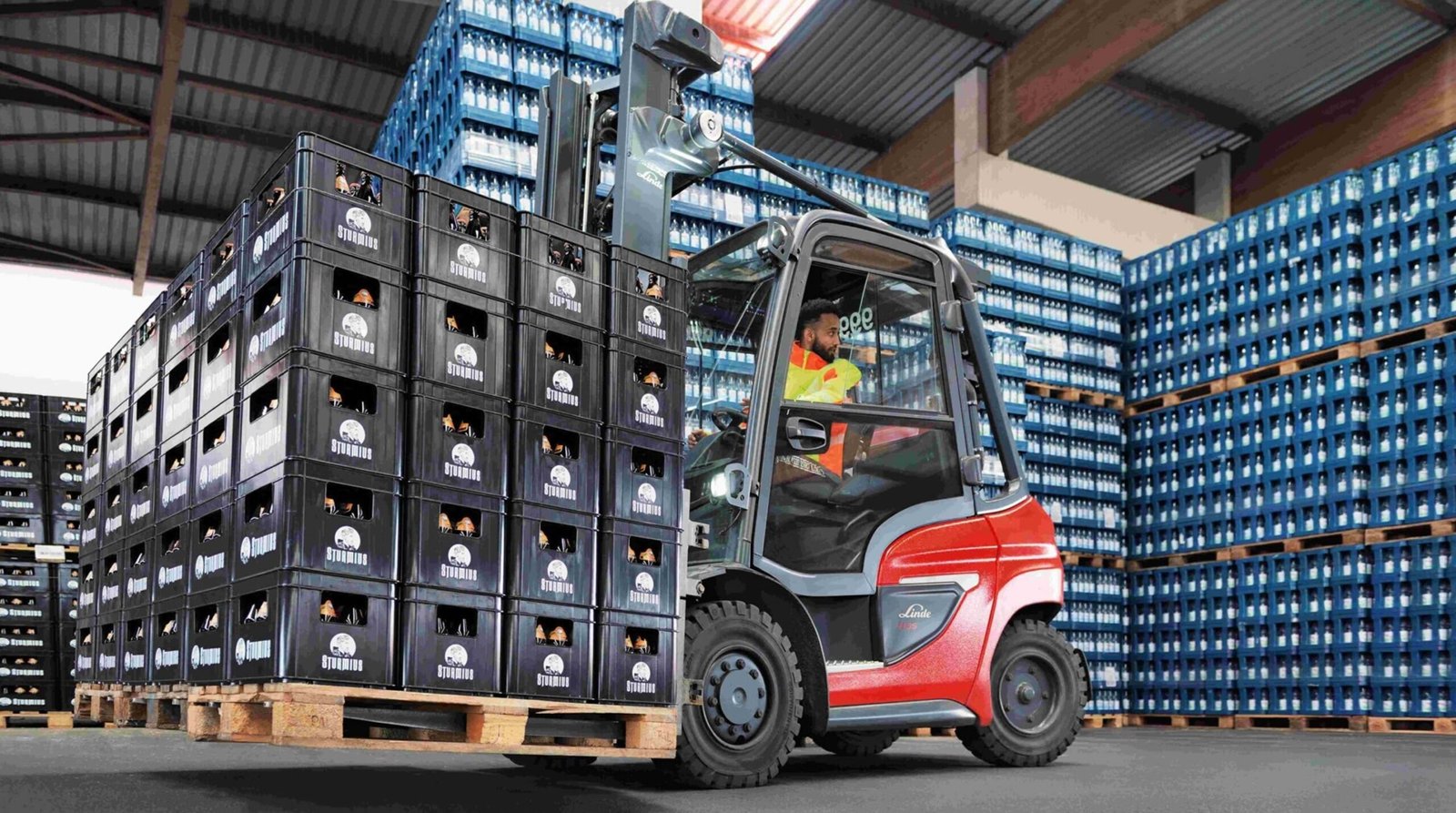
- Beverage pallets
- Machinery components
- Building materials
- Cold room goods
This is where our lithium forklifts excel.
H3-5.1: Voltruk’s 1.5–3.5T Electric Series for Heavy Indoor Pallets
Models include:
- CPD15 (1.5T)
- CPD20 (2.0T)
- CPD25 (2.5T)
- CPD30 (3.0T)
- CPD35 (3.5T)
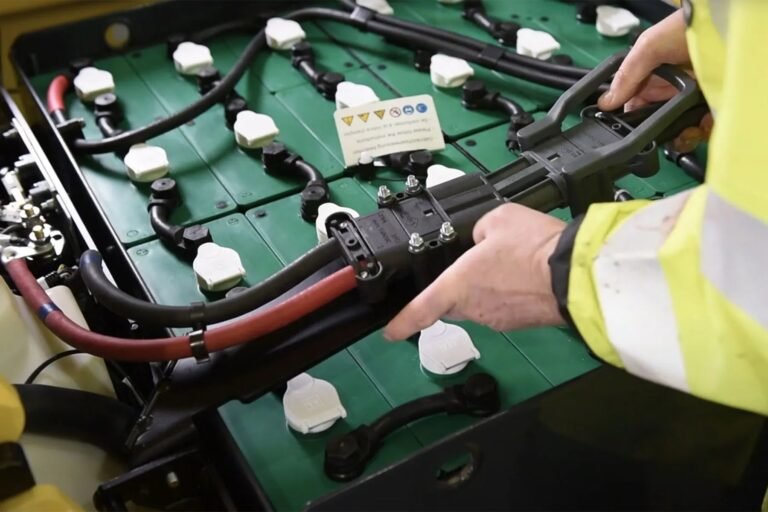
H3-5.2: Why Lithium Forklifts Outperform Lead-Acid for Heavy Indoor Work
Lithium offers:
- Stable voltage output
- No performance drop
- Lower maintenance
- Faster charging
H3-5.3: Factory-Direct QC, Fast Delivery & OEM Customization
Voltruk supports:
- 15–25 day delivery
- Custom color & logo
- CATL / EVE / Gotion battery brands
- LA warehouse support
- Photo → credit after-sales policy
Conclusion
Heavy lifting requires the right forklift, not the biggest one.
- Diesel forklifts → outdoor heavy loads
- Rough-terrain forklifts → uneven environments
- Container handlers → extreme industrial loading
- Electric forklifts → warehouse heavy pallets (1.5–3.5T)
Voltruk provides reliable lithium electric forklifts for warehouse heavy lifting, backed by QC, customization, and fast delivery.
Next Steps (CTA)
👉 Get wholesale quote
👉 Request OEM samples
👉 Download temperature chart PDF
👉 Visit LA warehouse
👉 Email Frank: info@voltruk.com
FAQ (10 Q&As)
Q1: What type of forklift is best for heavy lifting?
A1: Diesel forklifts (5–32T) are best for most heavy loads. Container handlers (25–52T) handle extreme weights, while electric forklifts suit indoor loads up to 3.5T.
Q2: Can electric forklifts lift heavy loads?
A2: Yes—electric forklifts lift up to 3.5 tons indoors. They are ideal for heavy pallets but not extreme outdoor loads.
Q3: What is considered a heavy-duty forklift?
A3: Any model above 5 tons capacity.
Q4: Why are diesel forklifts preferred for heavy lifting?
A4: They produce high torque and support stronger frames and hydraulics.
Q5: What industries require heavy-duty forklifts?
A5: Steel mills, stone factories, ports, machinery plants, and logistics yards.
Q6: How do I choose the correct forklift capacity?
A6: Base it on load weight, load center, height, and attachment type.
Q7: Are rough-terrain forklifts good for heavy lifting?
A7: Yes—3–10T and excellent on slopes or rough ground.
Q8: What reduces a forklift’s real capacity?
A8: Attachments, long forks, high lifts, uneven loads, and rough terrain.
Q9: When should warehouses choose electric forklifts?
A9: Indoors, where noise, emissions, and maneuverability matter.
Q10: Why choose Voltruk for heavy indoor lifting?
A10: Voltruk offers 1.5–3.5T lithium forklifts with fast delivery, OEM options, and factory-direct pricing.