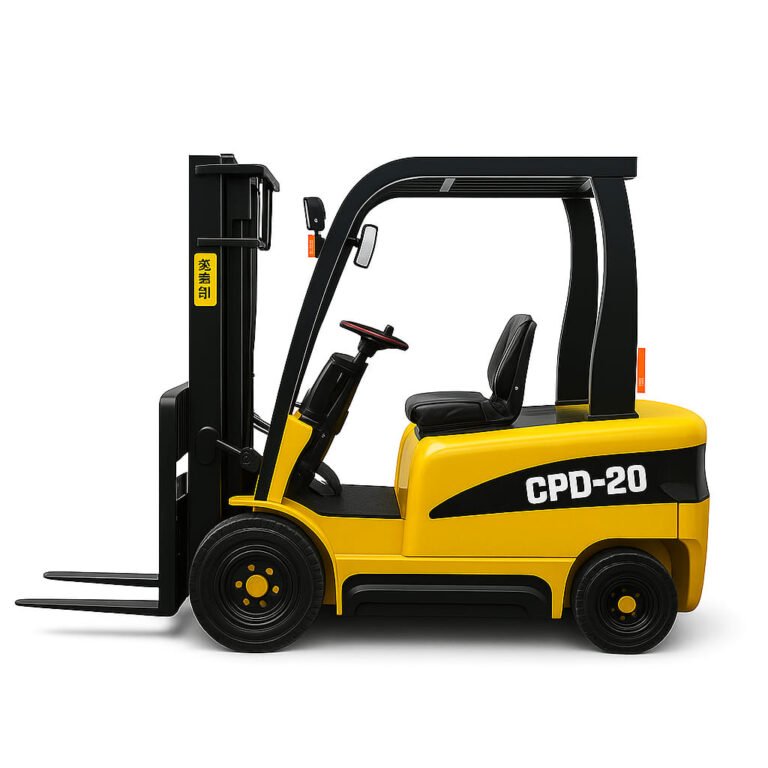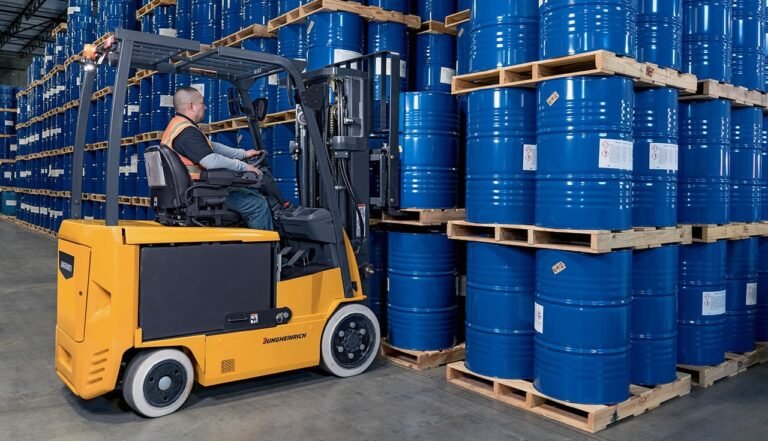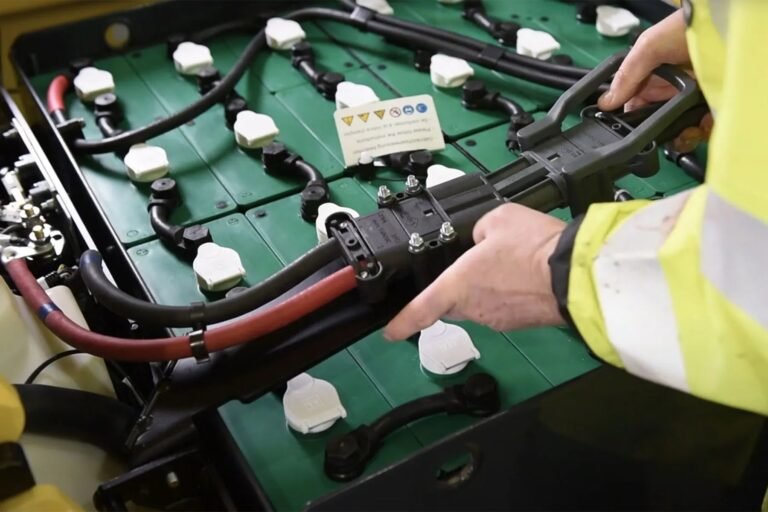
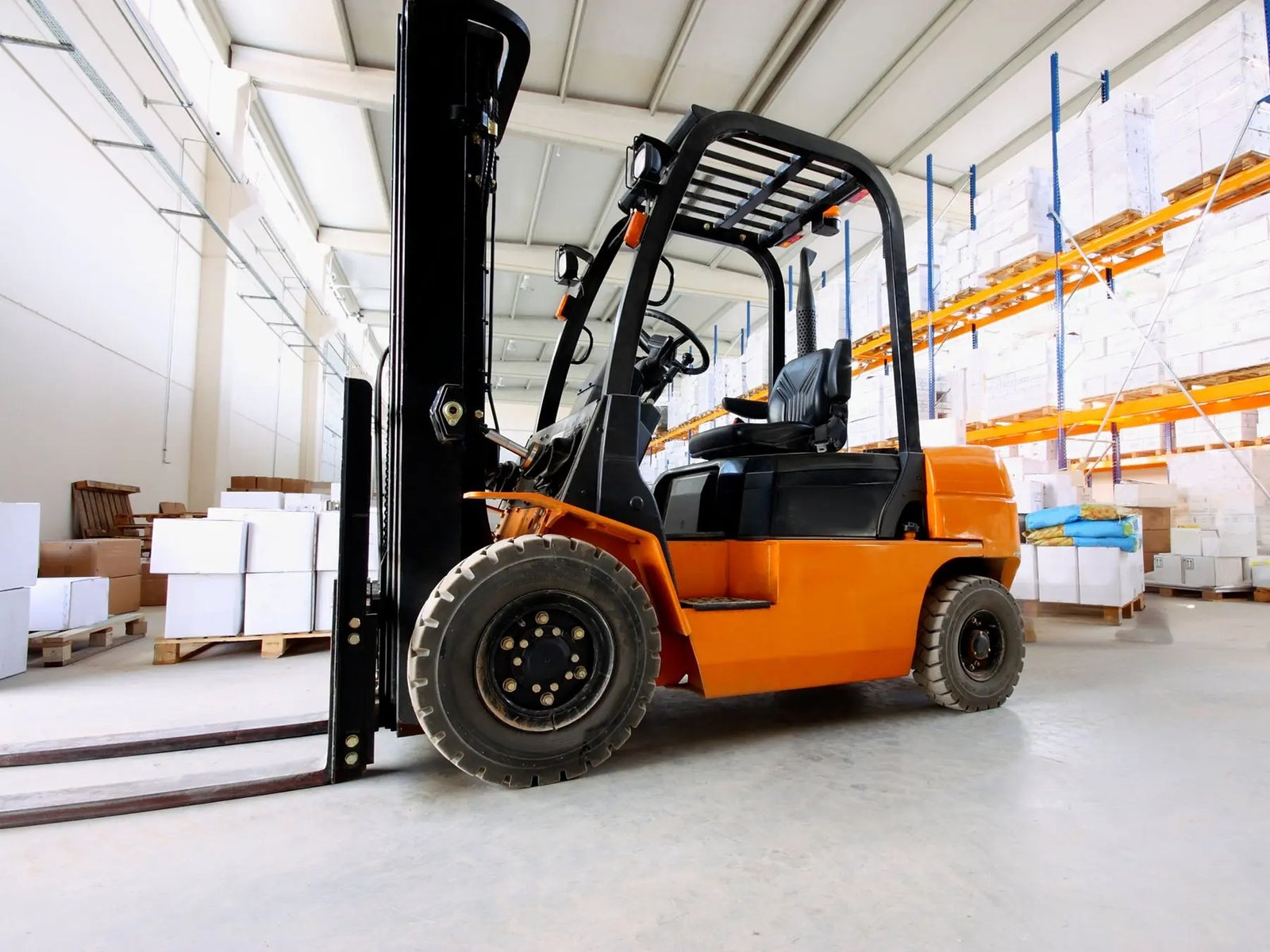
Electric forklifts are becoming the backbone of warehouses, logistics centers, and rental fleets. But when buyers try to research them, they often face scattered information, outdated specs, or unclear technical details. I’ve guided hundreds of distributors through this process.
You can find reliable information about electric forklifts from manufacturers, industry associations, B2B marketplaces, dealer networks, technical review sites, warehouse case studies, trade shows, and factory visits. Each source offers different levels of accuracy and depth.
I still remember a client from Peru telling me he spent three weeks searching online—only to discover half the data he found was wrong. That’s why knowing where to look matters.
H2-1: What Are the Most Reliable Sources to Learn About Electric Forklifts?
The most reliable sources for electric forklift information are official manufacturer websites, industry certifications, and technical documents published by recognized organizations.
Buyers should always start with primary sources, because accuracy matters for:
- Safety
- Warranty
- Compliance
- Long-term maintenance planning
Manufacturer data avoids confusion caused by outdated blogs, copy-pasted listings, or incorrect battery specs.
H3-1.1: Manufacturer Websites and Official Product Documentation
Manufacturers provide:
- Verified lifting capacity
- Battery options
- Mast configurations
- Real photos and test data
At Voltruk, we publish:
- CE certificates
- ISO9001
- UN38.3
- Lithium battery test reports
These help distributors present accurate data to their customers.
H3-1.2: Industry Associations, Safety Standards, and Certification Bodies
Standards from ANSI, ISO, and CE organizations explain:
- Load ratings
- Stability rules
- Electrical system safety
- Battery handling requirements
Global buyers rely heavily on these documents for compliance.
H3-1.3: Technical Data Sheets, User Manuals, and Comparison Guides
These include:
- Turning radius
- Charger specifications
- Hydraulic performance
- Gradeability
- Parts diagrams
User manuals also include maintenance schedules and best operating practices.
H2-2: Where Buyers and Distributors Research Electric Forklift Specifications?
Most buyers research electric forklifts through B2B marketplaces, dealers, rental companies, and international trade shows.
Each channel serves a different purpose:
- Marketplaces → Price comparison
- Dealers → Service and spare parts
- Rental companies → Real durability feedback
- Trade shows → Hands-on testing
H3-2.1: B2B Marketplaces and Equipment Directories (Alibaba, MHEDA, etc.)
Marketplaces help with quick comparisons but often contain inaccurate or outdated data.
Always verify specs with the manufacturer.
H3-2.2: Local Dealers and Forklift Rental Companies
Dealers and rental fleets provide “real-life” insights:
- Repair frequency
- Battery performance
- Common failure points
- Operator feedback
This is extremely valuable for decision-making.
H3-2.3: Trade Shows, Logistics Expos, and Warehouse Technology Fairs
Events like:
- CeMAT
- MODEX
- ProMat
- LogiMAT
allow buyers to test units, compare components, and speak directly with engineers.
H4-2.3.1: How to Evaluate Brands at Trade Shows
Check:
- Welding consistency
- Mast rigidity
- Battery brand (CATL, EVE, Gotion)
- Controller brand (Curtis, ZAPI)
- Hydraulic stability
H4-2.3.2: Questions to Ask Suppliers
Ask about:
- Load center
- Charger compatibility
- Delivery time
- Spare parts availability
- Warranty terms
H2-3: Where to Find Technical Comparisons of Electric Forklifts?
You can find technical comparisons in:
- Industry blogs
- Engineering review sites
- Forklift operator schools
- Warehouse case studies
These comparisons help buyers avoid choosing the wrong forklift type or battery system.
H3-3.1: Blogs, Engineering Reviews, and Industry Portals
These explain:
- Battery chemistry differences
- AC vs DC motors
- Hydraulic design
- Forklift stability
H3-3.2: Forklift Training Schools and Operator Resources
Training centers provide unbiased information focused on:
- Safety
- Proper maintenance
- Battery handling
- Operator efficiency
H3-3.3: Case Studies From Warehouses, Logistics Centers, and Factories
Case studies reveal:
- Real battery runtime
- Energy consumption
- Failure rates
- Operator comfort
H4-3.3.1: Real-World Use Reveals True Performance
Lithium maintains torque even at low charge, whereas lead-acid drops after 60–70%.
H4-3.3.2: Signs of Reliable vs Unreliable Reviews
Reliable reviews include:
- Diagrams
- Load data
- Valid testing conditions
Unreliable reviews are vague and lack measured results.
H2-4: Where Can Buyers Test or Inspect Electric Forklifts in Person?
Buyers can test electric forklifts at:
- Manufacturer factories
- Demo yards
- Rental fleets
- Regional warehouses
- Partner dealer showrooms
Hands-on inspection is often the most accurate way to judge quality.
H3-4.1: Manufacturer Factories and Pre-Shipment Inspection Centers
Factory visits allow buyers to inspect:
- Welding
- Steel structure
- Battery installation
- Controller setup
- Hydraulic calibration
Voltruk offers full QC check access for partners.
H3-4.2: Regional Warehouses, Demo Yards, and Showrooms
Voltruk’s U.S. warehouse gives buyers:
- Faster testing
- Local spare parts
- Immediate demo opportunities
H3-4.3: Rental Fleets and Short-Term Testing Programs
Renting a forklift for 1–2 weeks reveals:
- Real runtime
- Battery heat performance
- Lifting behavior under load
H4-4.3.1: How to Evaluate Quality During a Demo
Check:
- Mast sway
- Vibrations
- Hydraulic noise
- Steering response
- Braking feel
H4-4.3.2: Test-Drive Safety Checklist
- Emergency stop
- Parking brake
- Slope performance
- Leakage check
- Battery temperature
H2-5: When Does It Make Sense to Get Electric Forklift Information From Voltruk?
You should contact Voltruk when you need:
- Verified technical data
- OEM customization
- Battery advice (CATL/EVE/Gotion)
- Updated product specs
- Factory-direct quotations
We support global distributors with complete documentation and fast communication.
H3-5.1: Why Factory-Direct Data Is the Most Accurate
Factory information eliminates:
- Outdated specs
- Misleading listings
- Incorrect battery data
Voltruk engineers verify all specifications before sending datasheets.
H3-5.2: Full Documentation Support for Global Buyers
We provide:
- CE
- ISO9001
- UN38.3 + MSDS
- Spec sheets
- Dimension drawings
- QC photos and videos
H3-5.3: LA Warehouse, OEM Samples, and After-Sales Support
Voltruk offers:
- OEM color/logo (15–25 days)
- U.S. warehouse testing
- Photo → credit after-sales policy
- Spare parts in stock
Conclusion
Finding accurate information about electric forklifts becomes easy when you know where to look.
From certified manufacturer data to real warehouse demos, each source plays a role in helping buyers make smart decisions. For distributors and end users, reliable specs and trustworthy factory support matter more than anything else.
Voltruk delivers electric forklifts with stable quality, fast OEM service, and full technical documentation—built for global buyers who want dependable solutions.
Next Steps (CTA)
👉 Get wholesale quote
👉 Request OEM samples
👉 Download temperature chart PDF
👉 Visit LA warehouse
👉 Email Frank: info@voltruk.com
FAQ (10 Q&As)
Q1: Where is the best place to research electric forklifts?
A1: Manufacturer websites provide the most accurate specifications and certification documents.
Q2: Are B2B marketplaces reliable?
A2: They’re good for comparison but not always accurate. Always verify with the manufacturer.
Q3: How do I compare electric forklift models?
A3: Use technical guides, engineering blogs, and battery comparison charts.
Q4: Where can I test forklifts personally?
A4: At factories, demo yards, rental fleets, and regional warehouses.
Q5: Do trade shows help with research?
A5: Yes—trade shows allow hands-on testing and direct communication with engineers.
Q6: How do I validate forklift certifications?
A6: Ask the supplier directly for CE, ISO, and UN38.3 documents.
Q7: Where can I find unbiased forklift reviews?
A7: Training schools and engineering portals offer practical, unbiased insights.
Q8: How do I know if an online listing is trustworthy?
A8: Check for real factory photos, certification documents, and updated specs.
Q9: What information should dealers collect before importing?
A9: Battery type, controller brand, lifting height, load center, and spare parts list.
Q10: Can Voltruk provide full technical documentation?
A10: Yes—we provide datasheets, certifications, QC reports, and OEM support.