Electric forklifts are changing how we move goods. But not all batteries are equal. If you’re still using lead-acid or gas forklifts, it’s time to look at what lithium-ion can really do for your business.
Lithium-ion forklifts deliver longer life, faster charging, and lower maintenance compared to standard lead-acid or gas forklifts—making them the smarter choice for efficiency and cost control in modern warehouses.
When I first switched a client’s fleet from lead-acid to lithium, they cut downtime by 35% in a single quarter. Their operators stopped swapping batteries mid-shift. That’s when I knew: lithium forklifts weren’t just “better”—they were essential.
What is an advantage of using electric-powered forklifts?
Electric forklifts cut fuel costs, reduce maintenance, and deliver quieter, emission-free operation—ideal for indoor warehouses and logistics centers.
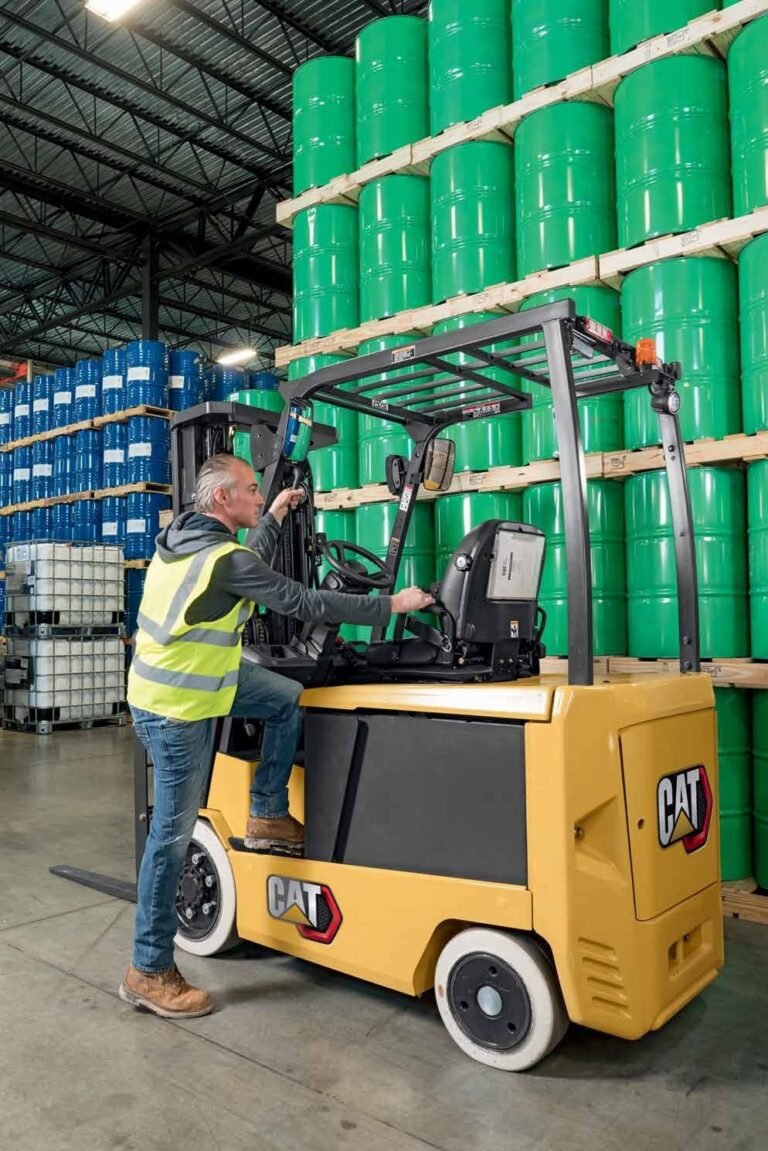
Electric forklifts are no longer a niche option. They’ve become the backbone of clean, efficient warehouse operations worldwide. I’ve visited hundreds of facilities—from Los Angeles to Rotterdam—and the shift is clear: warehouse owners want cleaner floors, less noise, and fewer oil leaks.
At Voltruk, every electric forklift we build uses a maintenance-free AC drive system. That means no brushes to replace, no oil changes, and no exhaust filters to clean. Operators love the smooth torque control, and managers love the lower lifetime cost.
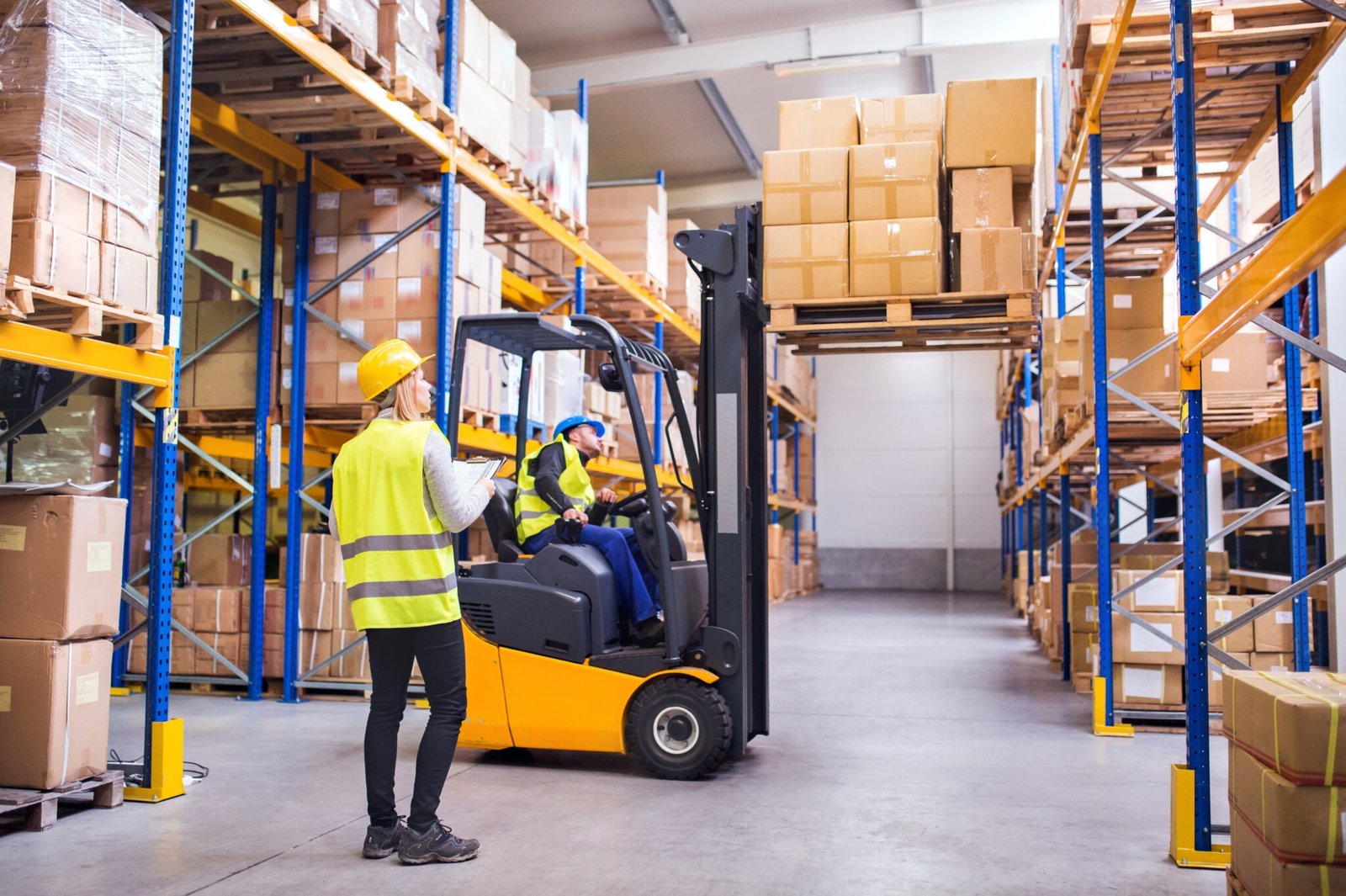
Key benefits of electric forklifts
- [x] Lower operating costs – Electricity costs far less per hour than diesel or LPG fuel.
- [x] Less downtime – No need for engine warm-up or long maintenance intervals.
- [x] Operator comfort – Less vibration and noise improve productivity.
- [x] Sustainability – Zero local emissions mean compliance with indoor air regulations.
My quick test
In one demo, I compared a 2.0T diesel forklift with our 2.0T lithium model. After one hour, the diesel had burned $4.70 in fuel. The Voltruk lithium forklift? $0.85 in power. That’s not marketing—it’s data from a real test on a client site in Jining.
What is the difference between lithium-ion and lead-acid forklifts?
Lithium-ion forklifts charge faster, last longer, and require almost no maintenance compared to traditional lead-acid forklifts.
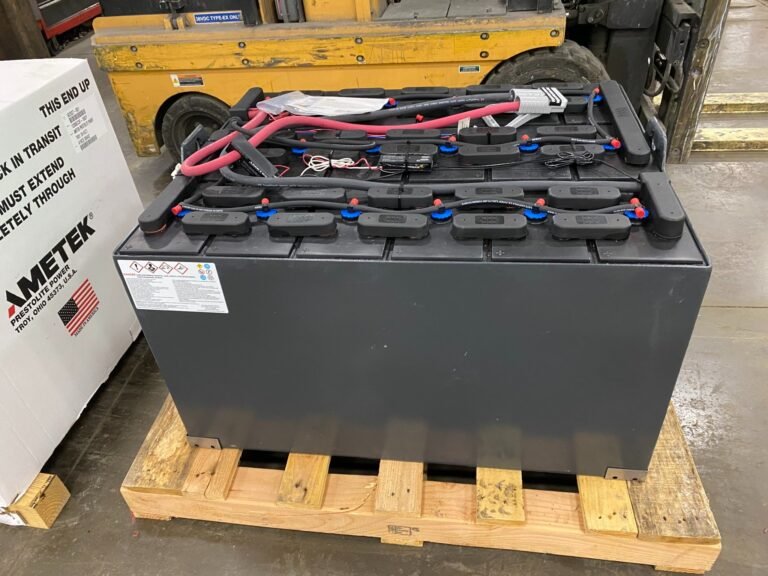
The two technologies look similar on the outside, but inside, they’re worlds apart. The core difference lies in energy density, charging behavior, and lifecycle.
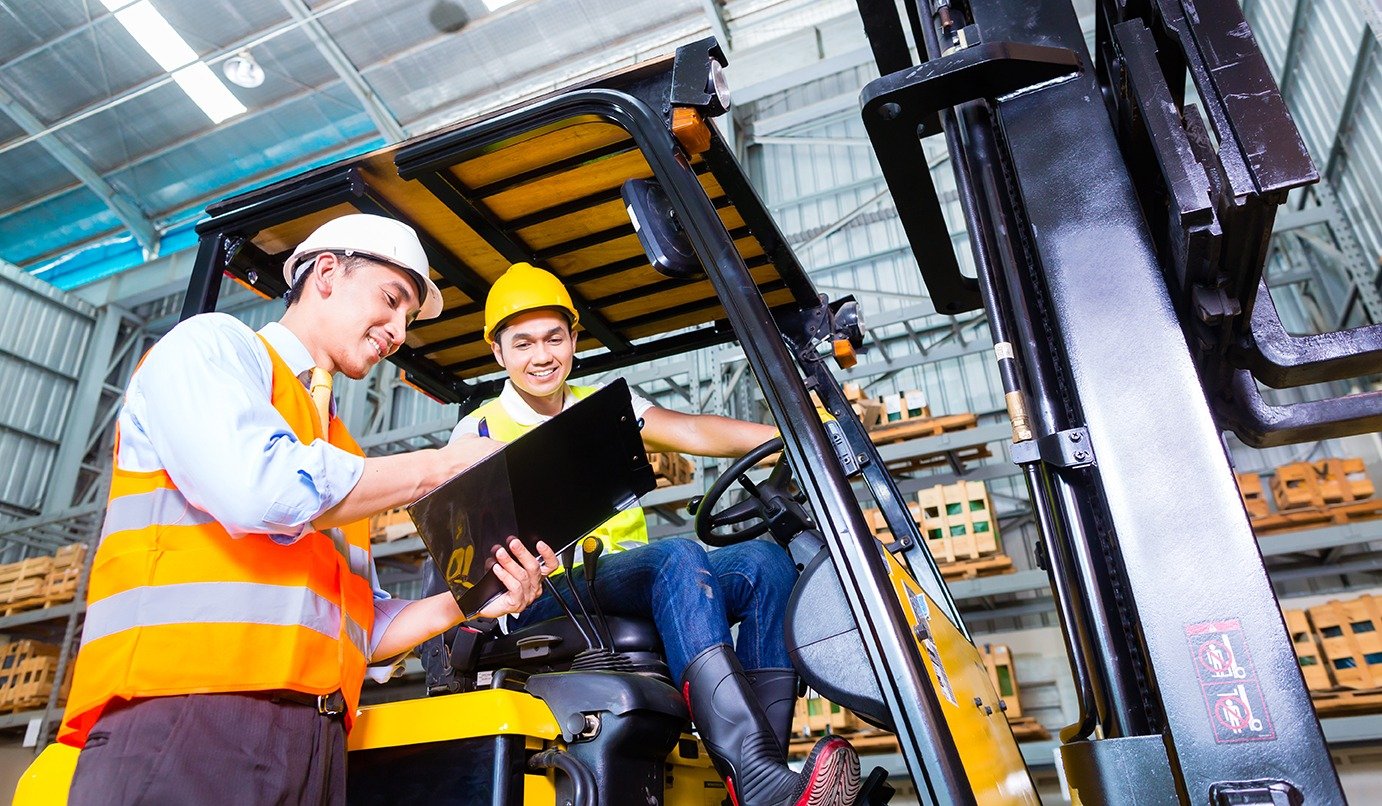
| Feature | Lithium-Ion Forklift | Lead-Acid Forklift |
|---|---|---|
| Charging time | 1–2 hours | 8–10 hours |
| Cycle life | 3,000–5,000 cycles | 1,200–1,500 cycles |
| Maintenance | None | Frequent water refilling |
| Efficiency | 95% | 75–80% |
| Cost (lifetime) | Lower | Higher |
| Heat generation | Low | High |
| Battery swap | Not required | Often required |
1. Charging flexibility
Lithium-ion batteries don’t need full discharge cycles. You can opportunity charge during breaks or shift changes. That’s a game-changer for warehouses running two or three shifts.
2. Safety and cleanliness
Lead-acid batteries release hydrogen gas during charging and need watering. In contrast, lithium batteries are sealed, no acid spills, and no ventilation rooms required.
3. Productivity boost
When one customer in Dubai switched 10 lead-acid forklifts to lithium, they saved 240 hours per month in downtime just by removing battery swaps.
Why are lithium-ion batteries preferred?
They’re preferred for their fast charging, longer lifespan, and stable voltage—keeping forklifts efficient shift after shift.
The heart of every electric forklift is its battery. And with lithium-ion, that heart beats stronger and cleaner.
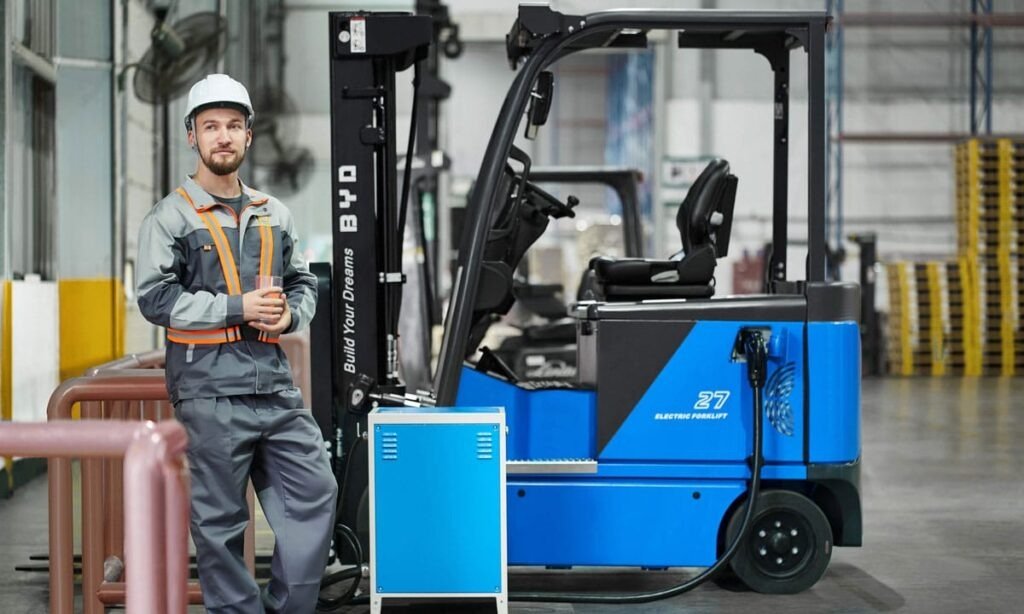
Higher uptime
A lithium-ion forklift can be charged to 80% in about an hour. That means no shift interruption. Many clients use short breaks for top-up charging, eliminating battery rooms altogether.
Extended life cycle
The chemistry of lithium-ion allows 3–4× longer service life than lead-acid. Over five years, you save not only replacement costs but also disposal headaches.
Stable voltage output
Unlike lead-acid units that weaken as they discharge, lithium batteries maintain consistent voltage. Forklifts lift the same load at 90% charge as at 40%, improving operator confidence.
Lower total cost of ownership (TCO)
Yes, lithium-ion costs more upfront. But factoring in charging efficiency, labor savings, and reduced downtime, most clients recover that investment in 12–18 months.
OEM flexibility
At Voltruk, we customize lithium systems from CATL, EVE, or Gotion based on customer preference. Each cell pack comes with an integrated Battery Management System (BMS)—it monitors temperature, voltage, and current to prevent overcharging or thermal runaway.
What's better, an electric or gas forklift?
Electric forklifts outperform gas forklifts in total cost, indoor use, and long-term reliability, though gas may suit outdoor heavy-duty work.
When customers ask me this, I always start with one question: Where will you use it? The answer changes everything.
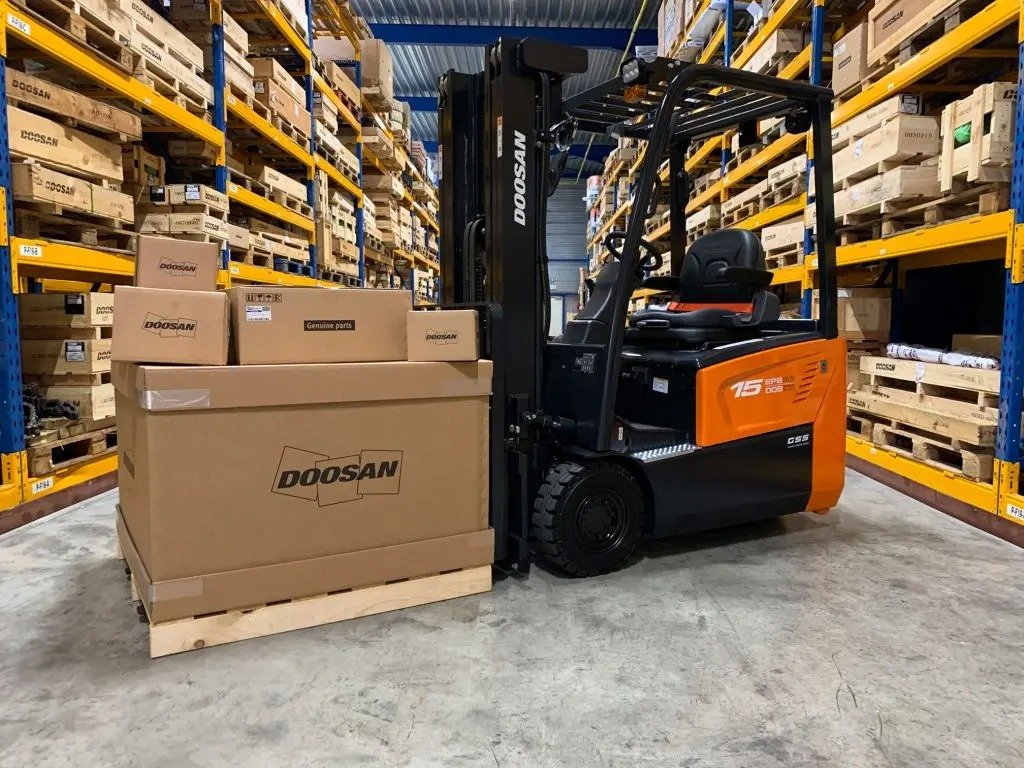
Electric forklift advantages
- [x] Ideal for indoor warehouses and factories
- [x] Zero emissions, quieter operation
- [x] Lower lifetime cost
- [x] Less vibration and easier operator training
Gas forklift advantages
- [x] Higher torque for steep ramps
- [x] Can refuel quickly
- [x] Better in outdoor or cold environments
If your warehouse is indoors with smooth flooring, go electric. If you’re outdoors under extreme weather, LPG or diesel still have a role—but even there, lithium forklifts are closing the gap fast.
Real case
A U.S. distributor switched their entire gas fleet to lithium forklifts for safety and noise reduction. After three months, they found their accident rate dropped by 22%. Fewer fumes meant clearer air and more alert operators.
Why is lithium-ion better than lead acid?
Lithium-ion is better because it offers higher efficiency, no maintenance, and longer battery life—without acid fumes or frequent water refills.
When we compare head-to-head, the differences show up fast in productivity and cost.
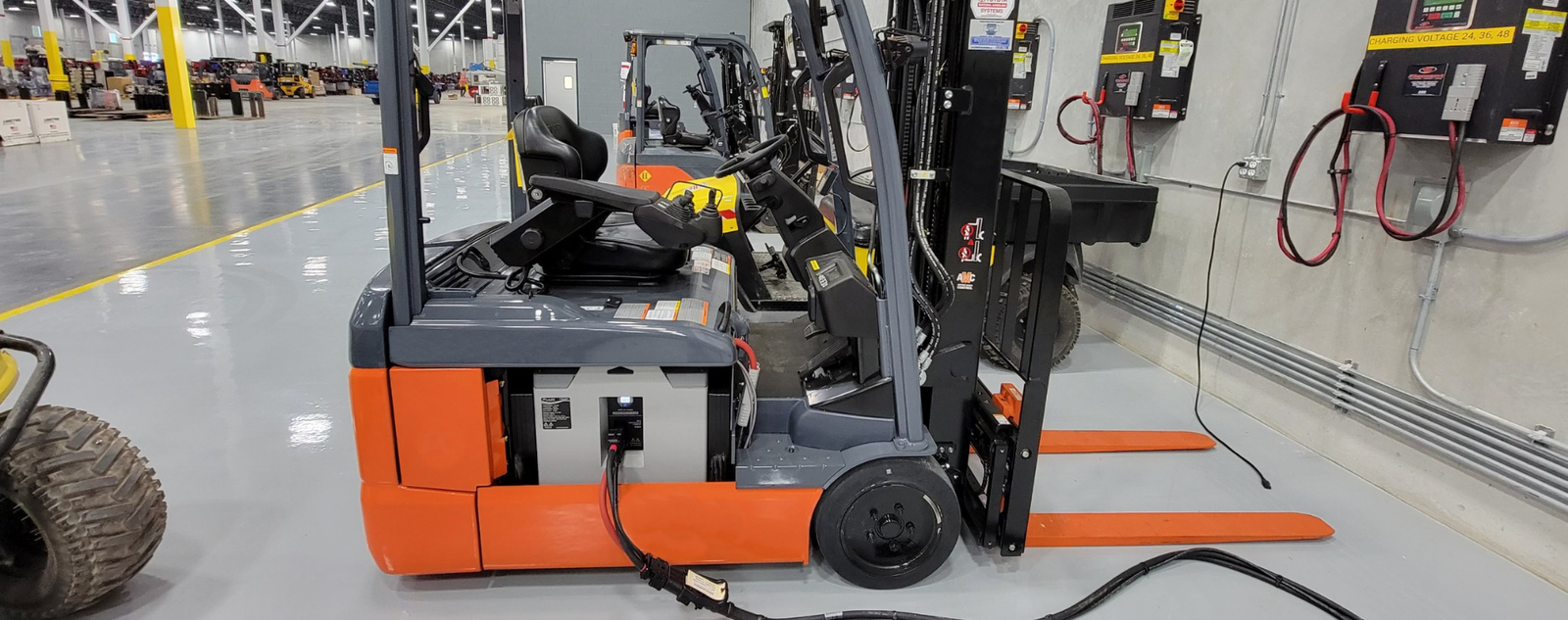
| Metric | Lithium-Ion | Lead Acid |
|---|---|---|
| Charging Efficiency | 95–98% | 75–80% |
| Usable Energy | 100% | 80% |
| Maintenance Cost | $0 | High |
| Environmental Impact | Clean | Acidic waste |
| Temperature Performance | -20°C to +55°C | Limited |
1. No maintenance
No watering, no acid, no corrosion. You just plug in and charge. Our factory tests every battery under 40°C ambient stress to ensure safety and thermal stability.
2. Better energy density
Lithium-ion stores more energy in less space, which means longer runtime and compact design. Perfect for narrow-aisle warehouses.
3. Environmental compliance
Many regions—especially the EU—are phasing out lead-acid usage due to hazardous waste concerns. Lithium-ion makes compliance effortless.
4. Safety
Every Voltruk battery passes UN38.3 and CE certification, and we supply the MSDS with every export order. I’ve had inspectors in Germany praise how clear our documentation is.
What is the best battery for a forklift?
The best forklift battery depends on your application, but for most modern operations, lithium-ion is the superior all-around choice.
If your business runs multiple shifts, or if downtime costs you money, lithium is unbeatable. For single-shift or light-use operations, lead-acid might still make sense initially—but even then, lithium’s lifetime savings are hard to ignore.
| Type | Best For | Pros | Cons |
|---|---|---|---|
| Lead-Acid | Single-shift, low-cost use | Lower upfront cost | High maintenance, long charge time |
| Lithium-Ion | Multi-shift, modern warehouses | Fast charge, long life | Higher initial price |
| Gel / AGM | Light indoor use | Sealed, no fumes | Shorter life |
| Hydrogen Fuel Cell | Future tech | Quick refueling | Expensive, limited infra |
Choosing the right battery
When helping a client select batteries, I usually run through three questions:
- How many shifts per day?
- Do you have charging infrastructure?
- How long do you plan to keep the forklift?
If the answers point toward heavy usage and long-term ownership, lithium-ion wins every time.
Bonus: OEM options
Voltruk’s lithium forklifts come with modular battery packs (CATL / EVE / Gotion). OEM clients can even customize shell color, label, and connector type within a 20–25-day production window. We keep sample units in our L.A. warehouse for U.S. distributors who want to test before committing to volume.
Conclusion
Lithium-ion forklifts are no longer just a “premium” option—they’re the new standard for smart warehouses. They offer faster charging, longer lifespan, lower maintenance, and cleaner operation than standard forklifts.
As a manufacturer, I’ve seen how these upgrades directly impact ROI: fewer repairs, less labor waste, and happier operators. Whether you’re a distributor, a rental company, or a factory owner, now is the right time to switch.
Ready to upgrade your fleet?
- 🚚 Get wholesale quote
- ⚙️ Request OEM samples
- 📊 Download temperature chart PDF
- 🏢 Visit our L.A. warehouse
- ✉️ Email Frank directly at info@voltruk.com
FAQ
Q1: How long does a lithium-ion forklift battery last?
A1: Typically 3,000–5,000 cycles, or 8–10 years of regular warehouse use. That’s about 3× longer than a lead-acid battery under similar conditions.
Q2: Can I retrofit my old forklift with a lithium battery?
A2: Yes. Many models can be upgraded with a compatible lithium pack. At Voltruk, we design drop-in retrofit solutions for 1.5T–3.5T forklifts.
Q3: Is a lithium forklift safe to operate?
A3: Absolutely. Our lithium batteries use advanced BMS protection, preventing overcharge, overcurrent, or overheating. Each unit passes CE and UN38.3 tests.
Q4: Do lithium forklifts need maintenance?
A4: Minimal. No watering or acid checks. Just keep the charging ports clean and follow standard electrical safety checks.
Q5: What temperature range can lithium forklifts work in?
A5: Typically from –20°C to +55°C. Voltruk provides a temperature performance chart PDF for reference before export.
Q6: How long does it take to charge a lithium forklift?
A6: About 1–2 hours for an 80% charge. You can also top up during short breaks—no full discharge required.
Q7: Are lithium forklifts more expensive?
A7: Upfront, yes. But they save up to 40% in energy and maintenance costs over time, paying back in 1–1.5 years.
Q8: What kind of charger do I need?
A8: A lithium-compatible smart charger. We supply chargers tuned for each voltage and amp-hour rating.
Q9: Can I use lithium forklifts outdoors?
A9: Yes, as long as the environment is dry and stable. For heavy rain or rugged terrain, we recommend models with IP54 enclosures.
Q10: Where can I test a Voltruk lithium forklift?
A10: You’re welcome to visit our Los Angeles warehouse for a demo or request a sample unit before bulk purchase.
✅ Written by Frank — Founder of Voltruk
“Every forklift we ship carries not just power, but trust built over years of factory experience.”