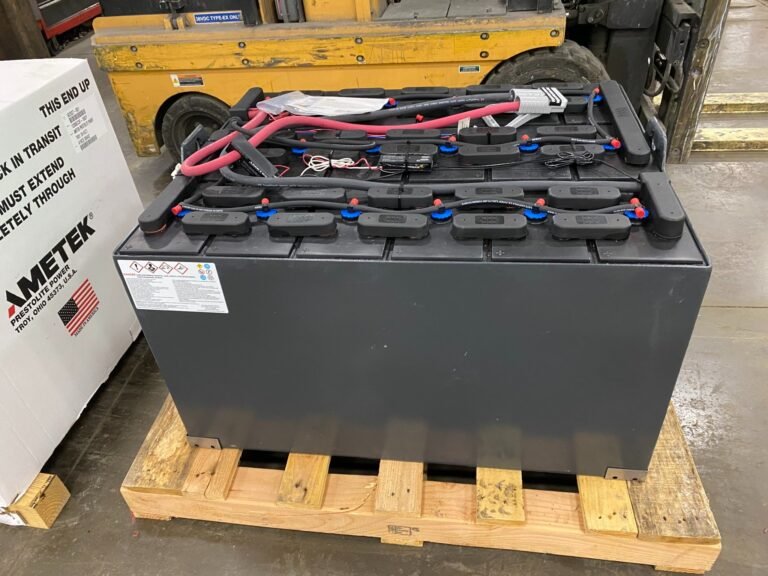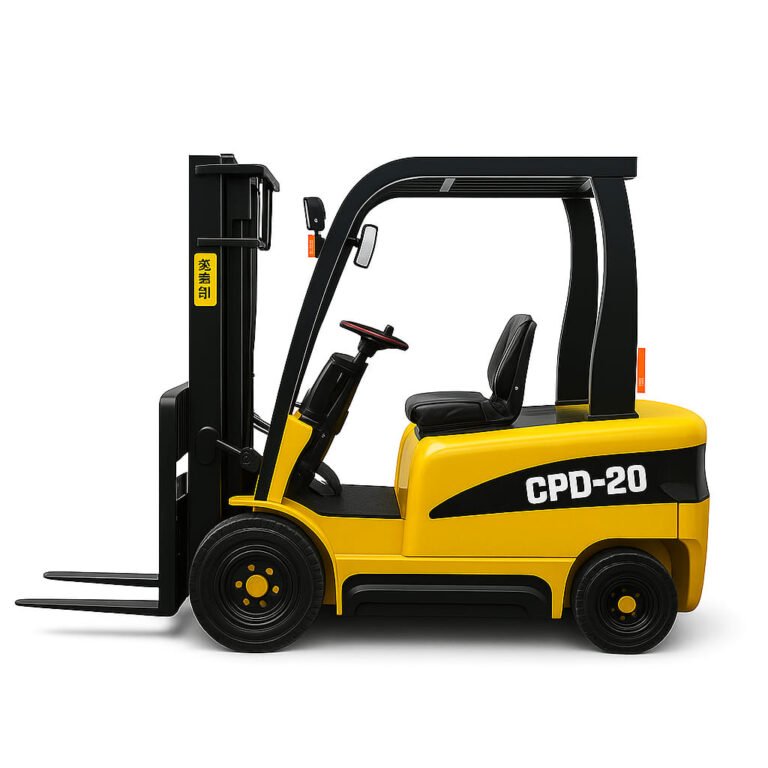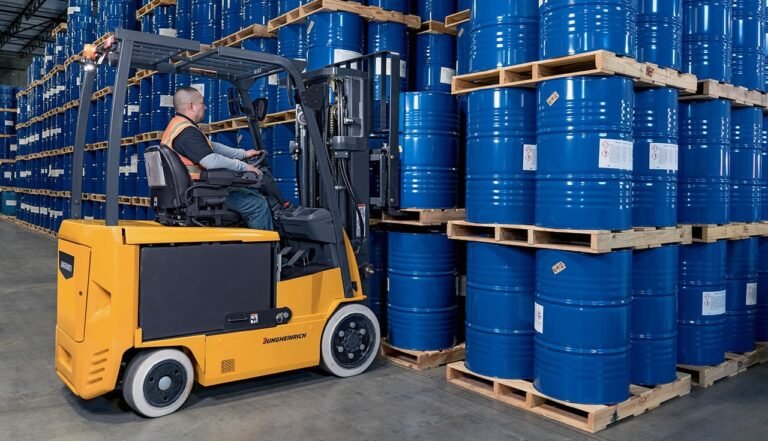
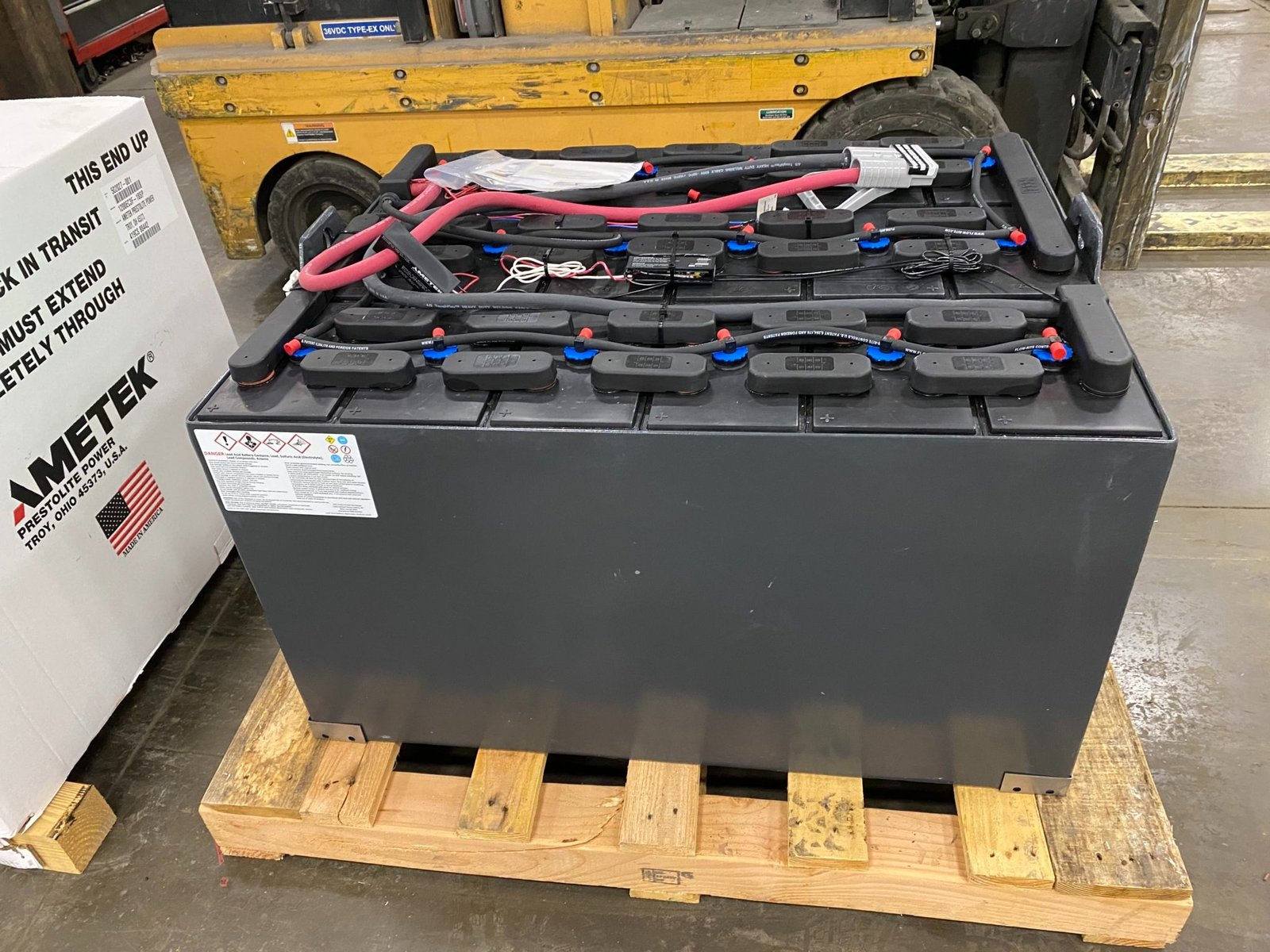
Keeping a forklift battery healthy isn’t complicated—but inconsistent charging habits, poor storage, or improper cleaning can shorten battery life fast. I see this often when distributors send me photos of swollen packs or corroded terminals.
To maintain a forklift battery correctly, you must follow proper charging routines, temperature control, daily inspections, cleaning steps, and safety procedures specific to lithium or lead-acid batteries.
Good maintenance extends battery life, protects your forklift, and lowers operating cost.
I learned this early when a rental partner once ruined six batteries in a month simply by over-discharging them.
H2-1: What Does Proper Forklift Battery Maintenance Involve?
Proper battery maintenance includes correct charging, temperature management, cleaning, inspection, and using battery-type-specific procedures for lithium or lead-acid systems.
Inconsistent habits cause:
- Overheating
- Reduced cycle life
- Performance drop
- Damage to motors or controllers
Battery maintenance accounts for 40–60% of long-term forklift cost—so a clear routine is essential.
H3-1.1: Core Difference Between Lithium and Lead-Acid Battery Maintenance
Lithium (CATL / EVE / Gotion):
- No watering
- No equalization
- Minimal maintenance
- Sensitive to heat + deep discharge
Lead-acid:
- Requires watering
- Equalization charging
- Corrosion control
- Gas ventilation
H3-1.2: Daily, Weekly, and Monthly Maintenance Tasks
Daily
- Visual inspection
- Check connectors
- Look for heat or odors
Weekly
- Clean dust
- Check terminal tightness
Monthly
- Voltage tests
- For lead-acid: electrolyte inspection
H3-1.3: Common Risks From Poor Battery Maintenance
- Fast capacity loss
- Swollen cells
- Acid leakage
- Corroded terminals
- Overheating
- Weak torque
Some fleets destroy a battery in <1 year simply due to over-discharge.
H2-2: How to Maintain Lithium Forklift Batteries (CATL / EVE / Gotion)?
Lithium batteries need proper charging habits, temperature control, and correct storage, but no watering or equalization.
H3-2.1: Daily Operation Habits to Extend Lithium Battery Lifespan
- Charge during breaks (opportunity charging)
- Maintain 10–40°C operating temperature
- Keep SOC above 20%
- Avoid heat exposure
H4-2.1.1: Avoiding Over-Discharge and Thermal Stress
Over-discharge damages cells and the BMS.
High heat accelerates aging.
Rule: "If the battery feels too hot to touch—stop and cool."
H4-2.1.2: Charging Routines for Multi-Shift Warehouses
- 10–15 min top-up during breaks
- Keep SOC above 30%
- Use fast chargers only when needed
H3-2.2: Lithium Battery Storage, Temperature Control, and Safety
- Store at 10–25°C
- Keep SOC at 40–60%
- Avoid charging in freezing temperatures (risk of lithium plating)
H3-2.3: What Voltruk Does During QC to Protect Lithium Batteries
Voltruk performs:
- Cell balancing
- Thermal simulation tests
- Charge/discharge validation
- BMS fault detection
- Vibration testing
- Photo QC reports
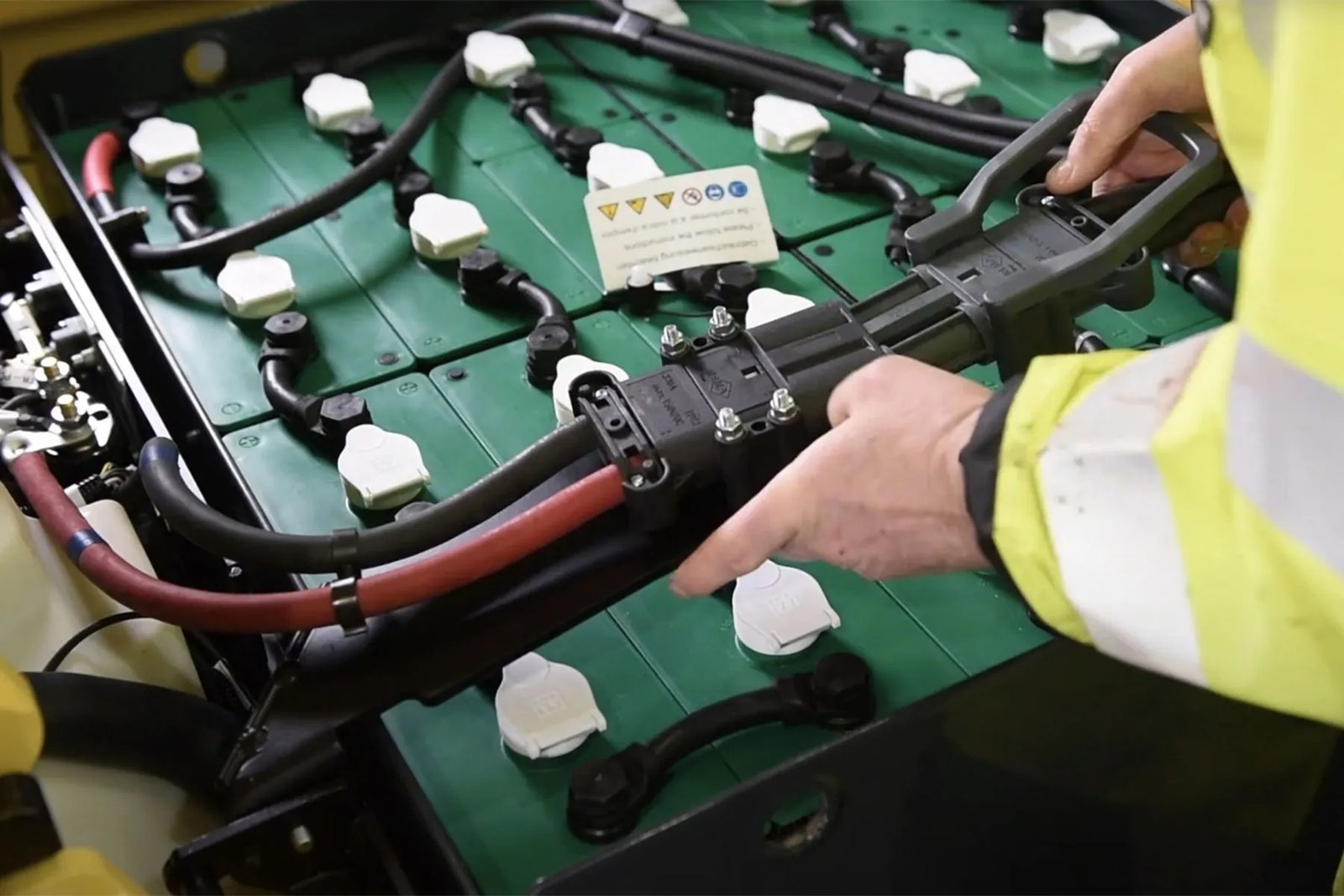
H2-3: How to Maintain Lead-Acid Forklift Batteries Safely?
Lead-acid batteries need watering, equalizing, cleaning, and ventilation.
Missing one maintenance cycle can shorten battery life 25–40%.
H3-3.1: Watering Schedule and Electrolyte Inspection
- Only distilled water
- Check after charging, not before
- Keep plates covered
H4-3.1.1: Proper Electrolyte Checking Procedure
- Open caps gently
- Never overfill
- Wear PPE
- Keep ventilation open
H3-3.2: Equalizing Charge and Preventing Sulfation
Equalizing every 1–2 weeks prevents sulfate buildup and restores capacity.
Skipping equalization → permanent sulfation.
H3-3.3: Cleaning Procedures and Corrosion Prevention
- Use baking soda solution
- Rinse and dry completely
- Avoid wet surfaces around terminals
H4-3.3.1: Safety Steps for Acid Fumes or Spills
- Wear gloves + goggles
- Neutralize spills
- Provide ventilation
H2-4: How to Maximize Forklift Battery Lifespan Through Correct Charging?
Charging is the most important factor for both lithium and lead-acid batteries.
H3-4.1: Charging Curves, Depth-of-Discharge Rules, and Cycle Planning
Lithium:
- Prefer shallow cycles (<70% DoD)
Lead-acid:
- Prefer full cycles + equalization
H3-4.2: Fast Charging vs Opportunity Charging
- Fast charging = more heat (use only for emergencies)
- Opportunity charging = ideal for lithium
- Lead-acid should not be opportunity charged often
H3-4.3: Planning for Multi-Shift Operations
2-shift example
- Charge to 80% → Work → 15-min opportunity charge → Full shift → Full charge
3-shift example
- Run → Swap battery → Cool pack → Charge → Repeat rotation
H2-5: Environmental and Storage Conditions Affecting Battery Health
Temperature + humidity significantly impact battery lifespan.
H3-5.1: Ideal Operating Temperatures
Lithium: 10–40°C
Lead-acid: 5–35°C
Heat causes gas buildup; cold slows chemistry.
H3-5.2: Long-Term Storage Recommendations
- Store at 40–60% SOC
- Keep in cool, dry rooms
- Recharge every 60–90 days
H4-5.2.1: When to Activate Lithium Sleep Mode
If the battery won’t be used for long periods, enable sleep mode to reduce parasitic drain.
H2-6: Signs Your Forklift Battery Needs Service or Replacement
Warning signs:
- Reduced runtime
- Overheating
- Voltage drop
- Swelling
- Corrosion
- Sluggish lifting
H3-6.1: Performance Symptoms
- Weak acceleration
- Quick voltage drop
- Excessive heat
H3-6.2: Physical Symptoms
- Swollen casing
- Acid leaks
- Terminal corrosion
H3-6.3: Diagnostic Tools Dealers Should Use
- Internal resistance testers
- Voltage stability tests
- Cell balance checks
H4-6.3.1: When to Stop Using a Battery Immediately
Stop immediately if you see:
- Swelling
- Smoke
- Odor
- Rapid heat rise
H2-7: How Voltruk Supports Dealers With Battery Maintenance?
Voltruk provides:
- QC reports
- Technical training
- Manuals
- After-sales support
H3-7.1: QC Reporting, Delivery Testing, and Charging Validation
Every unit includes:
- Battery report
- BMS data
- Vibration test
- Photo QC
H3-7.2: OEM Training Videos, Manuals, and Onboarding
Distributors receive training materials for customer education.
H3-7.3: LA Warehouse, Spare Parts, and Photo → Credit Policy
Our LA warehouse provides:
- Spare parts
- Fast support
- Defect → photo → credit resolution
Conclusion
Proper battery maintenance extends forklift life, prevents downtime, and protects your investment. Whether lithium or lead-acid, consistency in charging, cleaning, inspection, and temperature control is the key.
Voltruk supports global dealers with reliable lithium systems, fast QC, OEM support, and after-sales service.
Next Steps (CTA)
👉 Get wholesale quote
👉 Request OEM samples
👉 Download temperature chart PDF
👉 Visit LA warehouse
👉 Email Frank: info@voltruk.com
FAQ (10 Q&As)
Q1: How often should I charge a forklift battery?
Lithium: anytime (opportunity charging).
Lead-acid: full cycles only, avoid deep discharge.
Q2: What damages a forklift battery the fastest?
Over-discharge, heat, poor watering, and improper storage.
Q3: Can I wash a forklift battery?
Yes—use baking soda solution. Avoid soaking electrical parts.
Q4: How do I check electrolyte levels?
Open caps after charging and use distilled water only.
Q5: Why is lithium maintenance easier?
No watering, no equalization, stable chemistry.
Q6: What temperature is safe?
10–40°C for lithium; 5–35°C for lead-acid.
Q7: How do I store a battery long-term?
40–60% SOC, cool room, recharge every 60–90 days.
Q8: When should a battery be replaced?
Swelling, sudden voltage drop, or significant loss of runtime.
Q9: What is sulfation?
Hardened sulfate crystals on lead plates from bad charging habits.
Q10: Does Voltruk provide training?
Yes—manuals, videos, QC reports, and dealer training.