
Running warehouses and factories for years has taught me one thing: the real cost of a forklift isn’t the purchase price—it’s how long the machine can work before it becomes a burden. So when customers ask me, “Frank, how long does an electric forklift actually last?”, they’re really asking about ROI, downtime risk, and long-term planning.
Most electric forklifts last 6–10 years, depending on battery type, environment, workload, and maintenance. High-quality lithium models can last 10–12 years or longer with proper care.
One of my early customers in Poland still uses a Voltruk forklift they bought eight years ago. Another buyer—running forklifts over muddy construction sites—burned through his first unit in just 18 months. Same machine, different lives.
H2-1. What is the average lifespan of an electric forklift?
Most electric forklifts last 6–10 years, while well-maintained lithium models often reach 10–12 years or more.
Average lifespan varies widely because forklifts don’t age on a calendar—they age through heat, vibration, battery cycles, operator habits, and maintenance discipline. A lightly used warehouse forklift may still feel “young” after seven years. A machine doing heavy outdoor work might feel “old” after three.
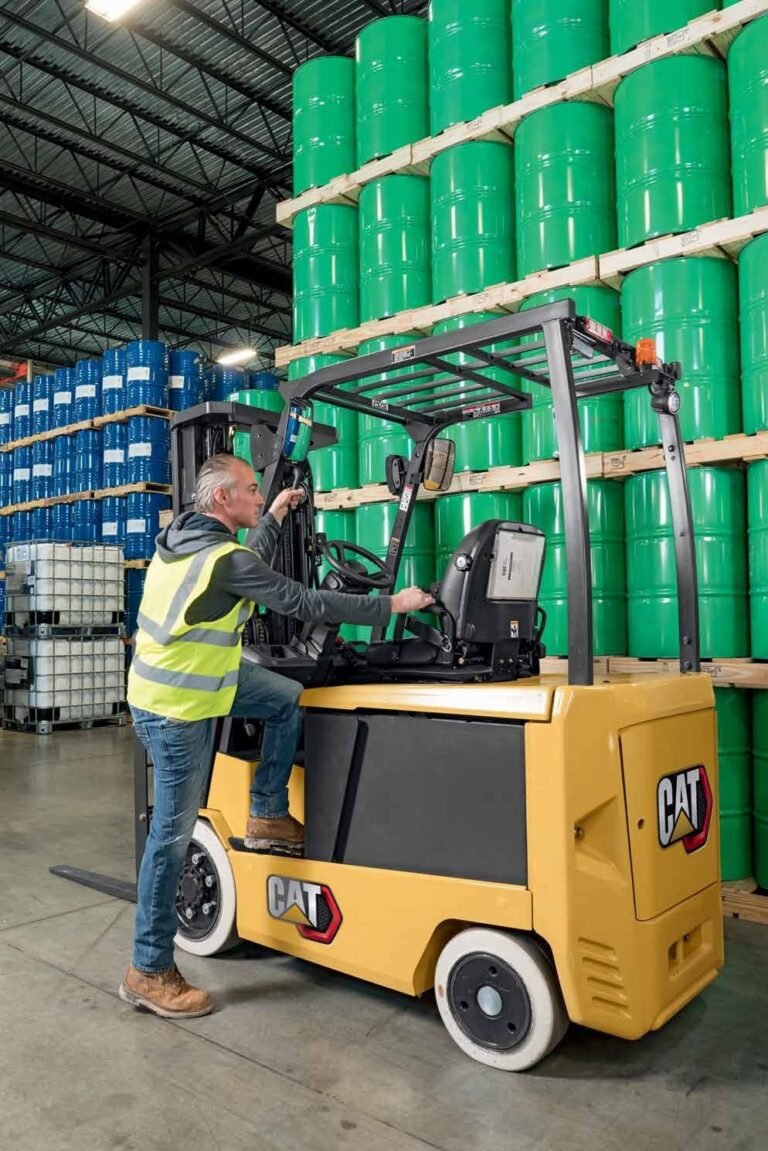
I’ve seen both extremes. In our LA warehouse, a local customer ran a 2.5T forklift in a clean indoor setting—smooth floor, stable temperatures, trained operators. After 10,000 hours of use, the forklift was still smooth and quiet.
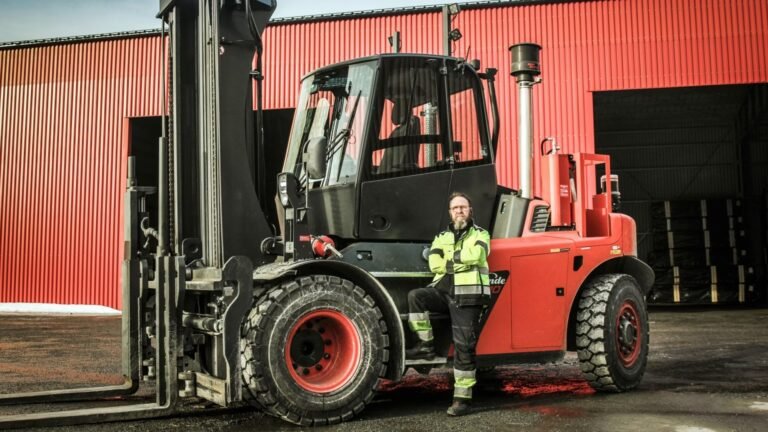
Meanwhile, on a Middle East project site, one unit faced sand, heat, overloading, and untrained drivers—and reached end of life far earlier than expected.
H3: Key factors that affect lifespan
Four variables determine 80% of a forklift’s lifespan:
- Battery quality (lithium > lead-acid)
- Operating environment (indoor > outdoor)
- Operator behavior (trained > rough use)
- Maintenance consistency (scheduled > reactive)
A forklift that is overloaded, driven aggressively, or stored in extreme temperatures will age as much in 1 year as a well-treated forklift ages in 3.
H3: Typical lifespan: warehouse vs. outdoor
| Work Type | Expected Lifespan | Why it differs |
|---|---|---|
| Indoor warehouse | 7–10 years | Stable floors, low humidity, fewer shocks |
| Outdoor light-duty | 6–8 years | Sun, rain, dust, inclines |
| Outdoor heavy-duty | 4–6 years | High heat, rough terrain, frequent shocks |
| Cold storage | 5–7 years | Low-temp stress on batteries & hydraulics |
If you operate on slopes, uneven ground, or in extreme weather, it’s normal to see shorter lifespans.
H3: When to repair vs. when to replace
Over the years, I built a simple rule to help customers decide:
- If yearly repairs > 30% of the forklift’s residual value → Replace it
- If monthly downtime exceeds 5 hours → Replace it
- If the battery needs replacement + other parts are aging → Replacement is cheaper
I once had a customer losing more money from lost picking hours than from repair invoices. Downtime—not repair cost—is the real hidden expense.
H2-2. Battery life: the biggest factor in electric forklift longevity
The battery is the true life-limiter of an electric forklift; lithium batteries last 2–3× longer than lead-acid batteries.
A forklift’s “usable life” is normally tied to how long the battery stays healthy. This is why most global buyers now prefer lithium. At Voltruk, we use CATL, EVE, and Gotion LFP cells—the same tier used in energy-storage and EV industries.
Lithium packs are sealed, maintenance-free, and can deliver 2,500–4,000 charge cycles. Lead-acid typically lasts 800–1,200 cycles, requires water refilling, and degrades faster under heat.

H3: Lithium vs. lead-acid battery cycles
| Battery Type | Typical Lifespan | Maintenance | Ideal For |
|---|---|---|---|
| Lithium (LFP) | 2,500–4,000 cycles | None | Warehouses, rental fleets, 2–3 shifts |
| Lead-acid | 800–1,200 cycles | Add water, equalize charge | Low-budget, low-usage buyers |
| GEL Lead-acid | 1,000–1,400 cycles | Low | Light-duty indoor use |
Lithium isn’t just longer-lasting—it’s also cleaner, safer, and more predictable.
H3: Signs your battery is reaching end of life
Common warning signs include:
- Shorter run time after a full charge
- Voltage drop during lifting
- Faster temperature rise
- Longer charging time
- BMS alerts (for lithium)
One advantage of lithium is transparency—you can check battery SOH directly through BMS logs.
H3: How to extend daily and long-term battery life
H4: Charging habits
I teach operators a simple rule:
Avoid <10% battery.
Charge before deep discharge.
Stick to original chargers.
Keep charging temperature moderate.
H4: Temperature impact
Heat accelerates aging. Here’s the safe range:
Charging: 32–113°F
Working: -4–131°F
Storage: 50–86°F
Outside these zones, chemical aging accelerates.
H4: Storage rules
Long-term storage tips:
- Keep battery at 40–60% charge
- Recharge every 60 days
- Store in dry areas below 75% humidity
H2-3. How maintenance affects electric forklift lifespan
Good maintenance can extend a forklift’s lifespan by 20–35% and reduce unplanned downtime dramatically.
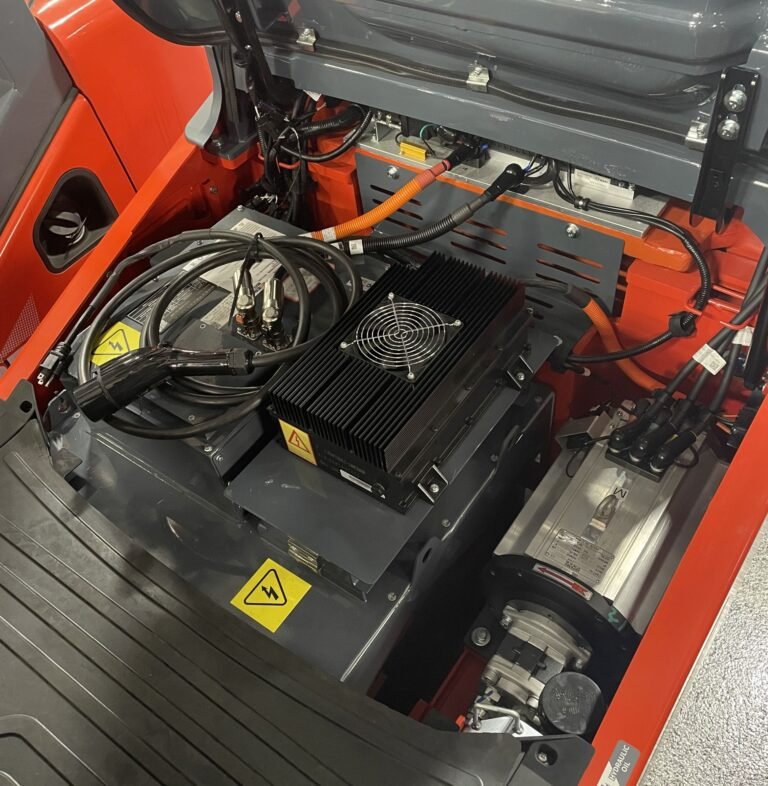
Electric forklifts are simpler than diesel models—no oil changes, no radiators, no exhaust systems. But they’re not maintenance-free.
Most failures I see come from two causes:
- ignoring early warning signs, and
- skipping scheduled checks.
H3: Essential weekly and monthly checks
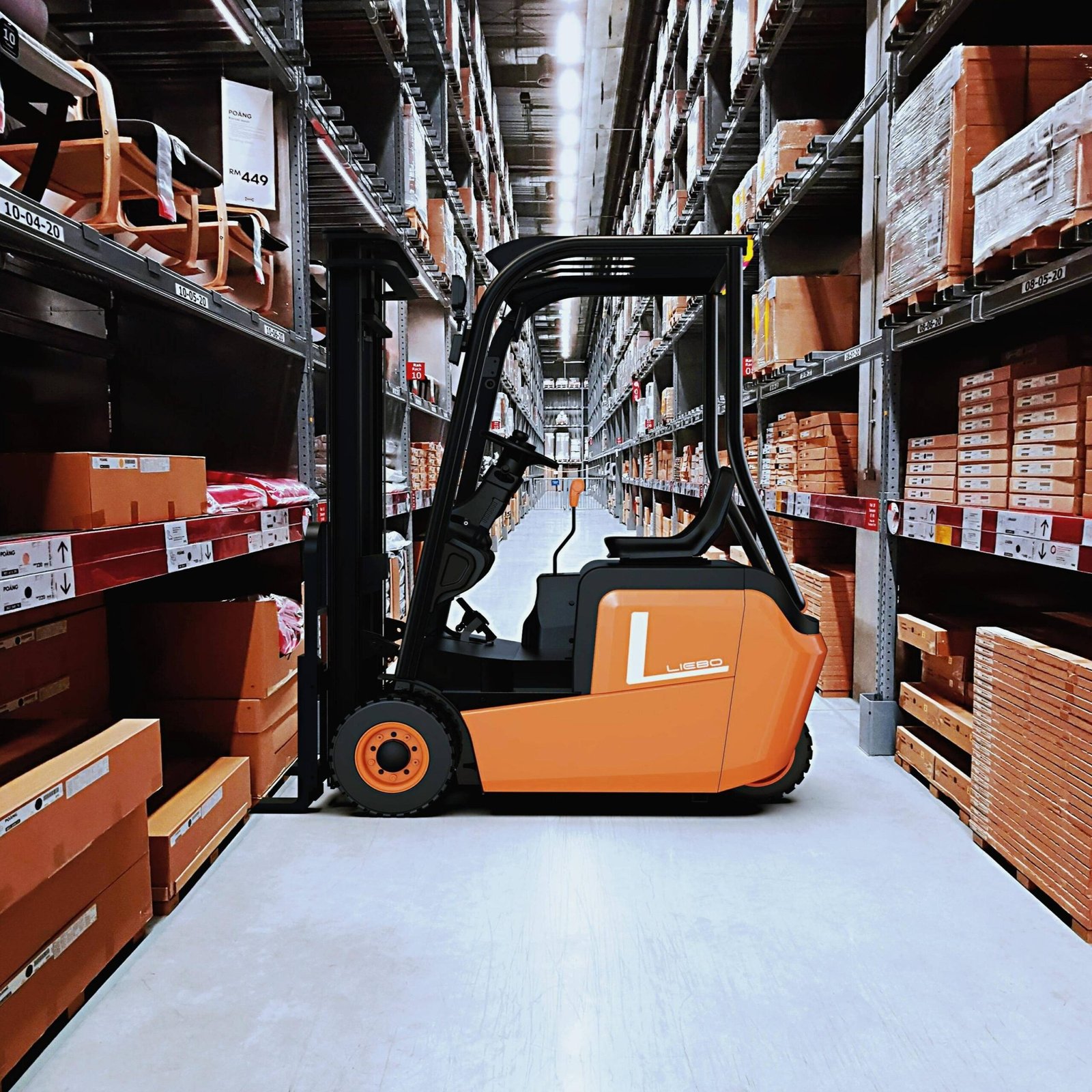
A simple checklist (takes less than 10 minutes):
- Tire wear & pressure
- Hydraulic oil level & leaks
- Brake responsiveness
- Mast chain tension
- Unusual motor noise
- BMS charging history
- Charger temperature
These checks alone prevent 70–80% of major breakdowns.
H3: Common failures and how long parts normally last
Forklift components have predictable lifespans:
H4: Motors
AC drive motor life: 8–12 years
Weak point: heat + overloading
Tip: avoid long incline climbs with full loads.
H4: Controllers
Controller life: 5–10 years
Weak point: dust and moisture
Tip: keep electrical cabinet dry & sealed.
H4: Hydraulics
Hydraulic seals: 3–6 years
Hydraulic pump: 5–8 years
Tip: replace hydraulic oil every 1,000 hours.
H2-4. How working conditions shorten or extend forklift life
Harsh environments can shorten forklift lifespan by 20–40% compared to clean indoor settings.
I once watched a forklift operate at a coastal port—salt air, wind, abrasive dust. The same model, under indoor warehouse conditions, would have lasted twice as long.
H3: Indoor vs. outdoor environments
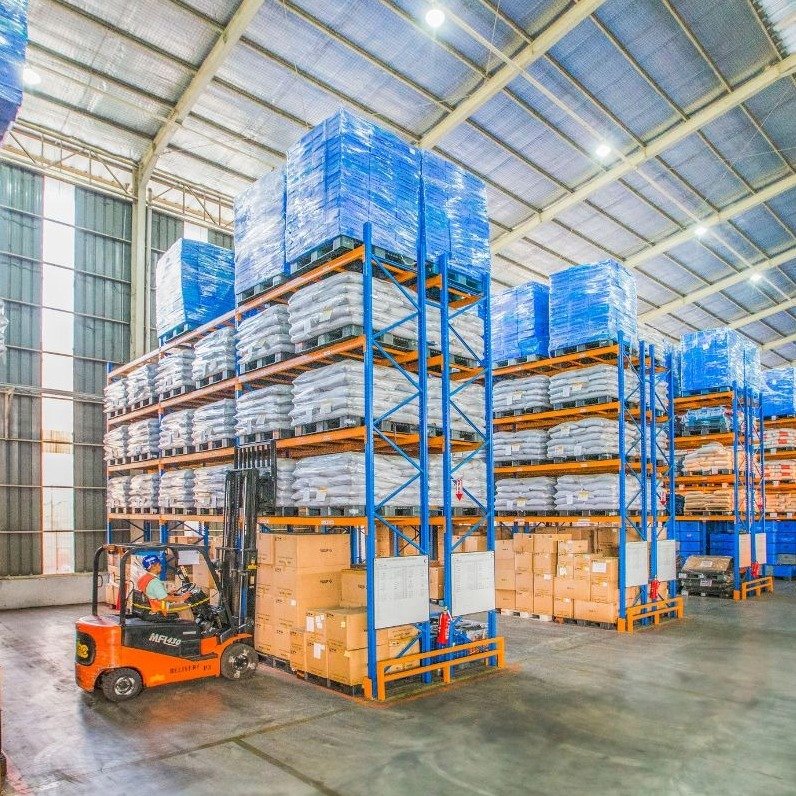
Outdoor work exposes the forklift to:
- Rain → controller corrosion
- Sun → battery overheating
- Uneven ground → motor & frame stress
- Dust → hydraulic contamination
If your operation is outdoors, I usually recommend:
- Sealed controllers
- Dust-proof filters
- Enclosed cabin
- Solid tires
H3: Load weight, slope, and operator habits
Operator behavior directly affects lifespan:
- Overloading compresses hydraulic life
- Driving fast with loads stresses the frame
- Sharp turns accelerate tire wear
- Frequent impacts deform the mast
I once saw a customer use a 3T forklift like a 4T. The hydraulic pump didn’t survive the year.
H3: Heat, humidity, dust, and cold storage
Environmental extremes require upgrades:
- Cold storage (-22°F): low-temperature hydraulic oil
- Hot zones (113°F+): temperature-controlled BMS
- High humidity: anti-corrosion coating
- Dusty plants: reinforced filters
H2-5. How long different electric forklift components last
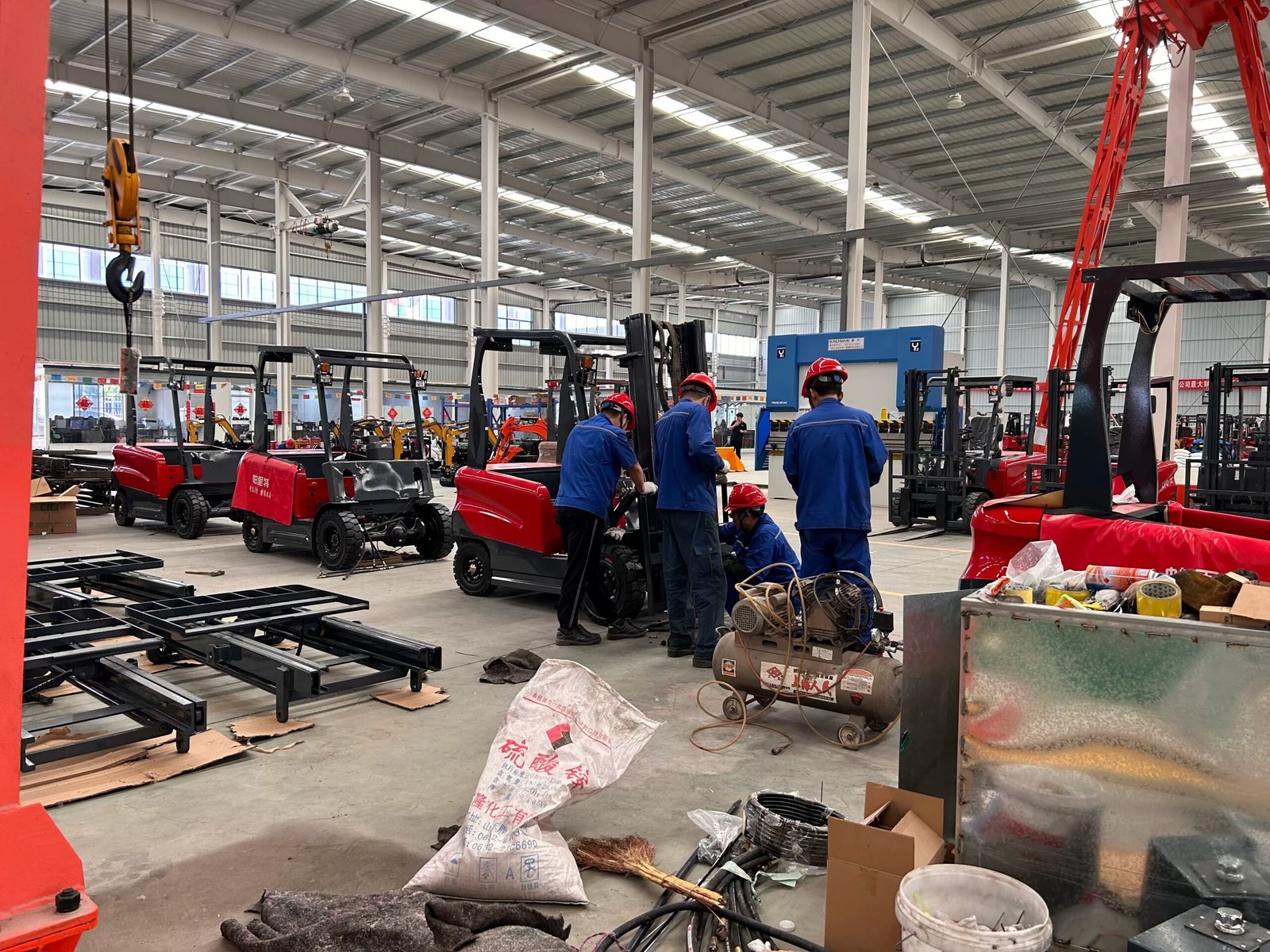
Forklift components age at different speeds; motors last the longest, while tires and brakes wear the fastest.
H3: Drive motor lifespan
Drive motor lifespan depends on:
- incline frequency
- load weight
- ambient temperature
- floor conditions
Average: 8–12 years, or 5–8 years in heavy conditions.
H3: Hydraulic system lifespan
Hydraulic system life is determined mainly by oil cleanliness.
Typical lifespans:
- Hydraulic pump: 5–8 years
- Oil seals: 3–6 years
- Hoses: 4–7 years
Dirty oil is the #1 killer of hydraulic systems.
H3: Tires, brakes, and wear parts
H4: Practical replacement intervals
- Solid tires: 12–24 months
- PU tires: 6–12 months
- Brake pads: 12–18 months
- Mast chains: 24–36 months
H4: Cost expectations for buyers
Annual consumable cost for most customers:
USD 300–500 per forklift.
H2-6. How to extend the lifespan of your electric forklift
You can extend forklift lifespan by 20–40% through correct charging, operator training, and preventive maintenance.
H3: Operating best practices
Train operators to:
- avoid overloading
- avoid high-speed turning
- always lower forks before parking
- climb slopes straight, never sideways
- brake gently
Small habits → big lifespan gains.
H3: Preventive maintenance checklist
Daily    → Tires, forks, horn, lights
Weekly   → Hydraulic leaks, chain lubrication
Monthly  → Brake inspection, bolts & nuts
Quarterly→ Battery SOH check & controller log review
H3: OEM upgrades that increase service life
H4: Smart chargers
Smart chargers reduce thermal stress and stop charging at optimal SOC.
H4: AC motors
Brushless, maintenance-free, long lifespan—ideal for rental fleets.
H4: Lithium packs (CATL/EVE/Gotion)
Advantages:
- longer cycle life
- stable output
- safer chemistry
- high temperature tolerance
H2-7. When to replace an electric forklift: cost-efficiency rules
Replace your forklift when repair costs, downtime, or battery degradation exceed the value of keeping it.
H3: Total cost of ownership vs. repair cost
A new forklift is often cheaper than keeping an old one running—especially for high-volume operations.
H3: When downtime becomes more expensive
One of our LA warehouse partners lost 20+ picking hours per month due to an aging forklift. After upgrading to a Voltruk lithium model, downtime dropped by 80%.
H3: Resale value and fleet upgrade timing
Lithium forklifts hold value well:
- After 3–5 years → 40–55% resale value
- After 6–8 years → time to refresh the fleet
For fleets of 10+ units, I recommend planned rotations every 6–8 years.
Conclusion
Electric forklift lifespan depends on quality, battery type, operating habits, and working environment. With good maintenance and a strong lithium pack, it’s absolutely possible to achieve 10+ years of dependable use.
At Voltruk, we build for long-term value:
- CE & ISO9001 certified
- CATL / EVE / Gotion lithium battery options
- Maintenance-free AC drive motors
- 15–25 day delivery
- OEM color, logo, packaging
- Full export support + photo→credit after-sales
If you’re planning to upgrade your warehouse or factory fleet, I’d be happy to help.
👉 Get wholesale quote
👉 Request OEM samples
👉 Download temperature chart PDF
👉 Visit our LA warehouse
👉 Email Frank: info@voltruk.com