Many buyers think choosing a forklift battery is simple—but in reality, the wrong choice can cause overheating, fast capacity loss, downtime, and after-sales pressure. As a manufacturer, I’ve seen these issues countless times.
The best electric forklift battery depends on your load, working hours, climate, and forklift type. Lithium batteries offer fast charging, long cycle life, and zero maintenance, making them ideal for multi-shift and high-demand operations. Lead-acid works for light-duty single shifts but requires careful maintenance, cooling time, and daily watering. Choose based on actual usage conditions.
A few years ago, a South American distributor ordered 2.5T forklifts with smaller low-cost batteries. During peak season, the batteries overheated and couldn’t finish a full shift. After we recalculated his capacity and voltage needs, the problem disappeared. This article summarizes the lessons I’ve gathered from hundreds of similar cases.
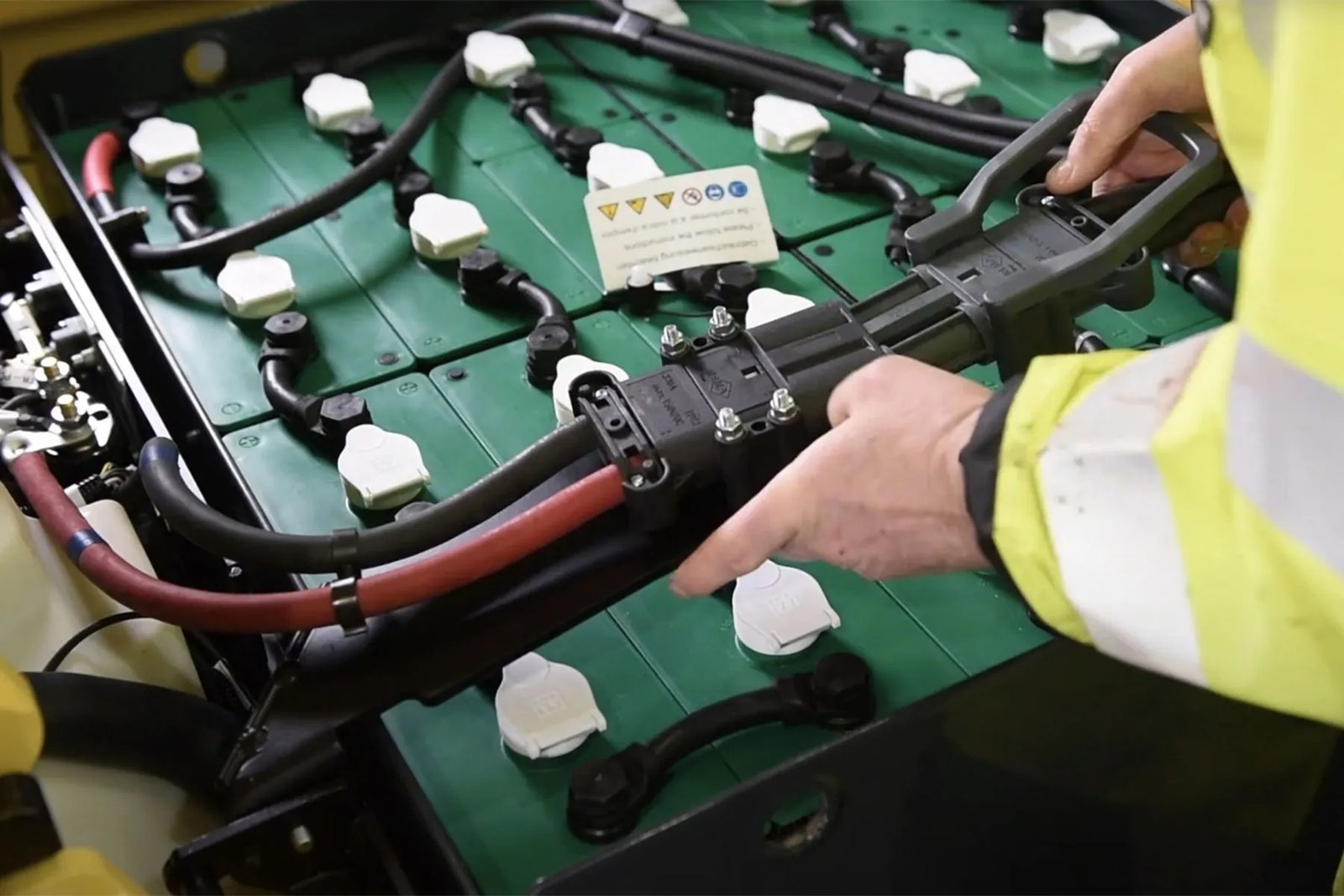
Understanding Different Types of Electric Forklift Batteries
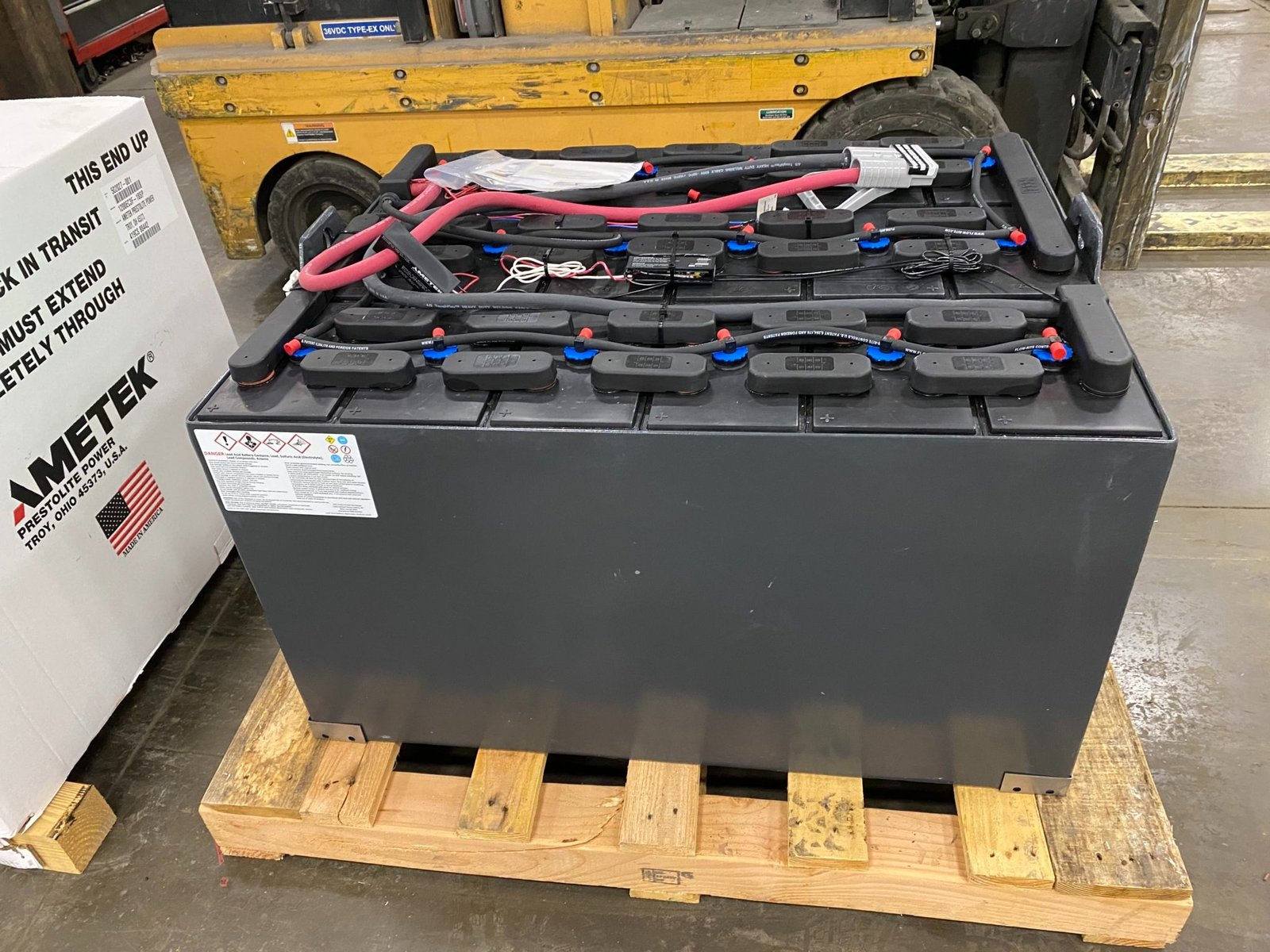
Electric forklifts mainly use lithium or lead-acid batteries. Lithium is best for multi-shift, fast-charging, and high-efficiency operations, while lead-acid is cheaper for light-duty single shifts but requires strict maintenance.
Lithium batteries have become the international standard for 1.5–3.5T electric forklifts, especially for distributors, rental fleets, and logistics centers. They eliminate common after-sales issues: watering, acid spills, sulfation, and long cooling times.
Lead-acid batteries still have a place when budget is tight—but they require discipline.
Lithium Battery Basics
Lithium (especially CATL, EVE, Gotion) has reshaped the forklift industry:
- Fast charging: 1–2 hours → 80%
- Zero maintenance
- Long cycle life (2,500–4,000 cycles)
- Lightweight and compact
- Advanced BMS protection
- Strong performance under heavy load
For most overseas customers—especially those with peak-season surges—lithium is the safest long-term choice.
Lead-Acid Battery Considerations
Lead-acid batteries are still common, but users must manage:
- Daily watering
- Weekly equalization
- Long cooling times (8–10 hours)
- Sensitivity to heat
- Shorter life when deeply discharged
For distributors, lead-acid batteries usually create more after-sales complaints, especially with rental fleets.
How Battery Capacity & Voltage Affect Forklift Performance
Battery capacity (Ah) determines working time, while voltage affects power, lifting speed, and heat generation. Choosing the wrong size—too small or too large—can cause overheating, low efficiency, or unstable controller performance.
Battery sizing is one of the biggest mistakes I see. Many buyers assume “more Ah = better.” Not always—matching the actual workload matters more.
Capacity Sizing (Ah)
Field-tested reference values (from Voltruk production):
| Forklift Capacity | Recommended Lithium Battery |
|---|---|
| 1.5T | 48V 200–300Ah or 80V 100Ah |
| 2.0T | 48V 400–500Ah or 80V 150Ah |
| 2.5T | 80V 150–180Ah |
| 3.0T | 80V 180–200Ah |
| 3.5T | 80V 200–300Ah (recommended) |
Checklist:
- Light duty → mid-size capacity
- Multi-shift → one level higher
- Long travel distances → higher Ah
- Cold storage → lithium with heating
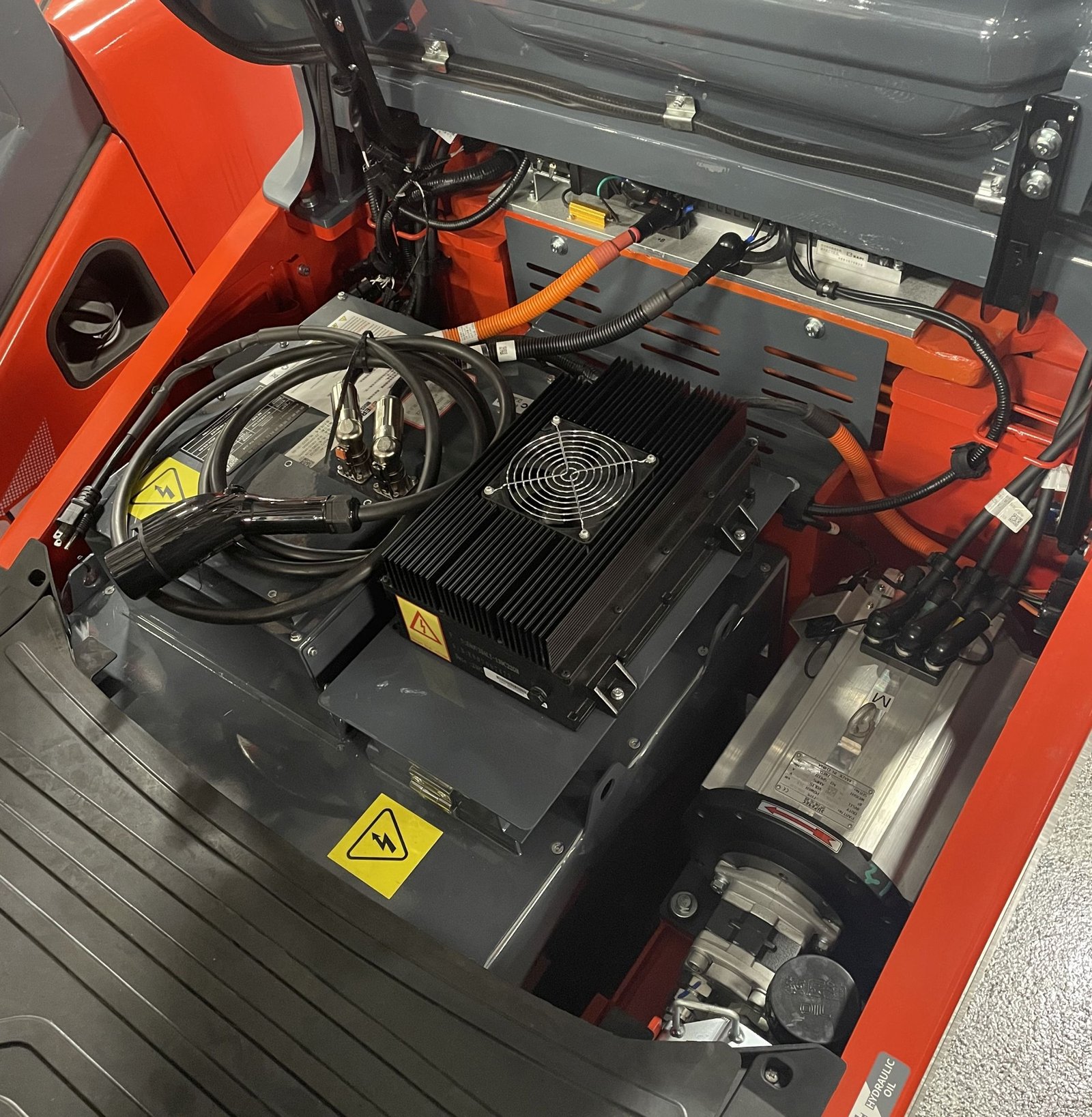
Voltage Matching
Voltage affects acceleration, lifting speed, controller temperature, and stability.
80V systems have become the global standard for 2.5–3.5T models because they:
- Reduce controller heat
- Improve lifting performance
- Offer longer working hours
- Handle slopes and heavy pallets better
Undervoltage is one of the top causes of overheating failures.
Matching Battery to Working Hours & Charging Conditions
Your working hours decide whether you need standard charging, fast charging, opportunity charging, or battery swapping. Multi-shift operations almost always require lithium.
Over 80% of battery complaints come from incorrect charging schedules—not battery quality.
Fast-Charging Scenarios
If your operators have short breaks between shifts, fast charging is ideal.
Rules for safe fast charging:
- Don’t fast-charge more than 3 times consecutively
- Allow 20–30 minutes of cooling before charging
- Keep connectors dry
- Use matched chargers only
- Avoid charging immediately after slope driving
Multi-Shift Operations
Never choose lead-acid for multi-shift work. It overheats, ages quickly, and loses 20–30% capacity within months.
Example:
A European customer used lead-acid for 24/7 operations. After 9 months: 65% usable capacity.
We switched him to an 80V 200Ah lithium pack—stable ever since.
Temperature, Climate & BMS Protection Requirements
Extreme temperatures affect forklift battery discharge ability and safety. Choose lithium packs with BMS, heating, or enhanced cooling for cold storage, hot climates, or outdoor work.
Temperature is an invisible killer for batteries—and often ignored.
Cold-Storage Use Cases
Cold storage (–20°C to –5°C) requires:
- Heated lithium pack
- Condensation-resistant wiring
- Sealed controllers
- Special hydraulic oil
Standard lithium batteries will lose discharge performance and trigger BMS limits.
Hot-Climate Considerations
Regions like the Middle East, Southeast Asia, and Latin America often reach 40°C+.
Recommended specs:
- Battery sun-cover
- High-temperature cells (CATL/EVE)
- Indoor charging area
- Avoid full load + long slope combination
- Reinforced controller cooling
Every Voltruk forklift undergoes thermal stress testing to avoid heat-related failures.
Battery Lifespan, Safety & Maintenance Best Practices
Battery lifespan depends on charging habits, temperature control, and avoiding deep discharges. Lithium requires minimal maintenance, while lead-acid needs strict daily routines.
Most “battery failures” come from user habits—not the battery itself.
Daily Use & Charging Habits
Good habits:
- Charge daily; avoid dropping below 15%
- Avoid quick “cut-off” charges
- Keep connectors dry
- Don’t charge lithium below 0°C
- Don’t store lithium at 100% for more than 7 days
I always tell customers:
“Charging is like eating—regularity matters more than quantity.”
Risk Points & Failure Prevention
Common issues (from Voltruk failure database):
- Over-discharge → BMS lock
- Water in charge port
- Controller overheating
- Loose harnesses
- Hydraulic leaks
Prevention:
- Keep connectors tight
- Store chargers in dry locations
- Use OEM-matched chargers
- Prepare a small spare parts kit (we often include seals/fuses)
Choosing the Right Battery for Different Forklift Types
Counterbalance forklifts need heavier batteries for stability, while pallet trucks and stackers use compact lithium packs.
Battery choice depends heavily on forklift type.
Counterbalance Forklifts (1.5–3.5T)
These forklifts rely on battery weight for stability.
| Model | Rated Load | Recommended Lithium Battery |
|---|---|---|
| 1.5T | 1500 kg | 48V 200–300Ah or 80V 100Ah |
| 2.0T | 2000 kg | 48V 400–500Ah or 80V 150Ah |
| 2.5T | 2500 kg | 80V 150–180Ah |
| 3.0T | 3000 kg | 80V 180–200Ah |
| 3.5T | 3500 kg | 80V 200–300Ah |
Common mistakes (especially 3.5T):
- Choosing small Ah to reduce cost
- Using lead-acid → causes instability and heat buildup
For 3.5T units, lithium is always recommended.
Pallet Trucks / Stackers / Reach Trucks
Lighter equipment uses compact lithium packs:
- Pallet truck → 24V 60–210Ah
- Stacker → 24V/48V lithium
- Reach truck → 48V/80V high-discharge cells
Voltruk keeps inventory in China and our LA warehouse to support fast delivery.
Conclusion
Choosing the best electric forklift battery isn’t about picking the most expensive one—it’s about choosing the right one for your:
- Working hours
- Climate
- Forklift model
- Long-term operating cost
As a manufacturer, I focus on matching each buyer’s real environment—not selling the biggest battery.
If you're a distributor, rental fleet, or factory user, I’d be happy to create a custom battery recommendation for your needs.
Next Steps
- Get wholesale quote
- Request OEM samples
- Download battery temperature chart PDF
- Visit our LA warehouse
- Email Frank: info@voltruk.com