
Most buyers don’t fail because they pick the wrong forklift model—they fail because they pick the wrong dealer. I’ve seen this too many times in my years exporting electric forklifts worldwide.
The best forklift dealer is the one who delivers certified quality, transparent pricing, real after-sales support, and long-term reliability—not just a famous brand name.
One European customer once told me he switched three dealers before finding someone who genuinely cared about his fleet. That comment still sticks with me today.
What is the most reliable forklift brand?
The most reliable forklift brand is the one offering proven quality, CE/ISO certifications, stable parts supply, and professional after-sales—whether it’s a global giant or a specialized electric-forklift manufacturer.
I’ve met two typical buyers:
- One believes “the most expensive is the best”
- The other wants “the cheapest possible”
But the most successful buyers choose the most suitable and stable brand—not the most expensive.
Yes, Toyota, Linde, and Hyster are strong global players. But in the last five years, more end users have shifted toward electric-focused manufacturers because their technology, battery systems, flexibility, and delivery speed are simply better adapted to modern warehouses.
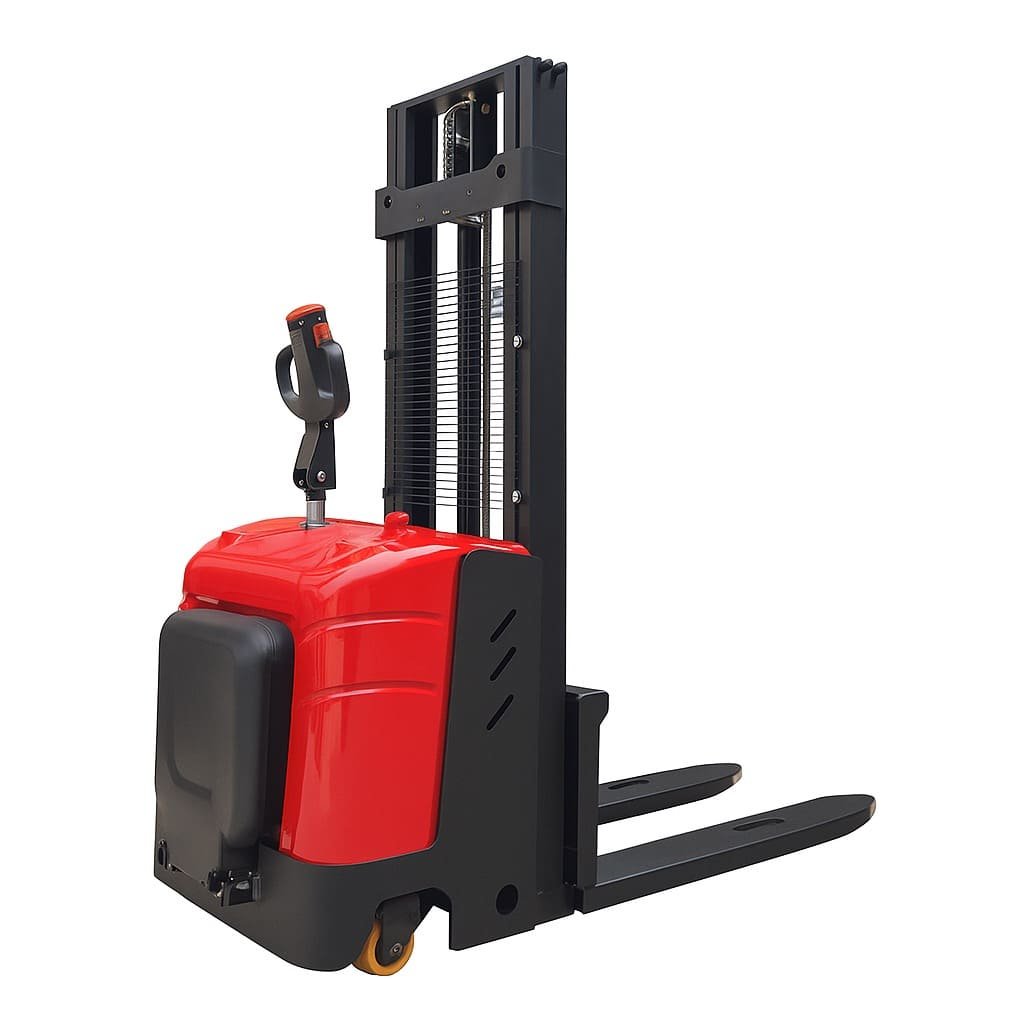
Why “reliability” matters more than “popularity”
I evaluate reliability through five checkpoints:
- Certifications (CE, ISO9001)
- Stable component suppliers (battery, controller, pump)
- Verifiable after-sales (parts list, diagrams, training videos)
- Real working cases (photos, test reports)
- Transparent delivery timelines
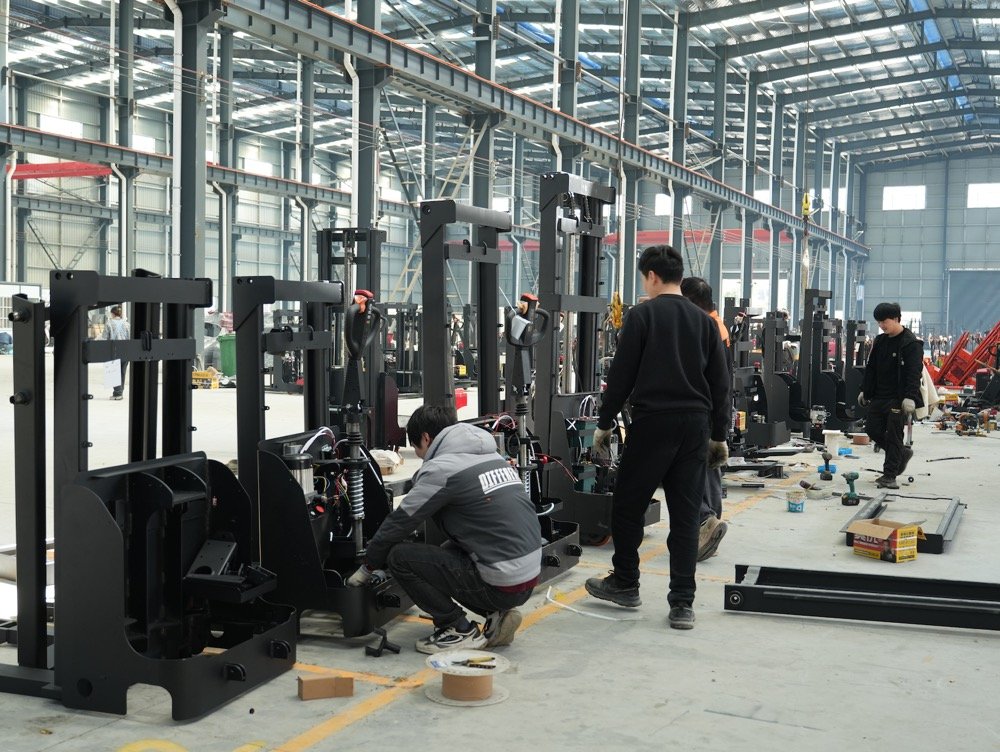
Many distributors who visit our factory in Shandong make a decision instantly after seeing load tests, BMS aging tests, and full PDI procedures. Reliability becomes something you can literally touch.
For electric forklifts, what determines reliability?
Electric forklifts depend heavily on:
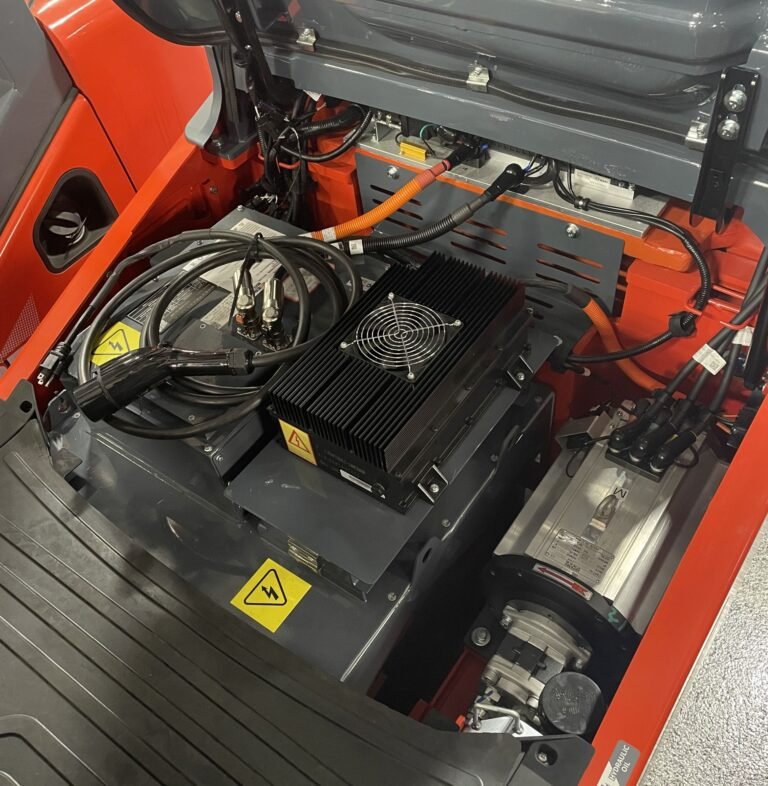
- BMS quality
- AC drive motor design
- Waterproof controller housing
- Wiring vibration resistance
- Lithium battery supplier (CATL / EVE / Gotion)
If a dealer cannot answer basic questions about these, you’re not dealing with a professional partner.
Global brands vs. factory-direct brands
Global brands offer wide service networks and strong prestige, but they also come with high prices, long delivery times, and expensive spare parts.
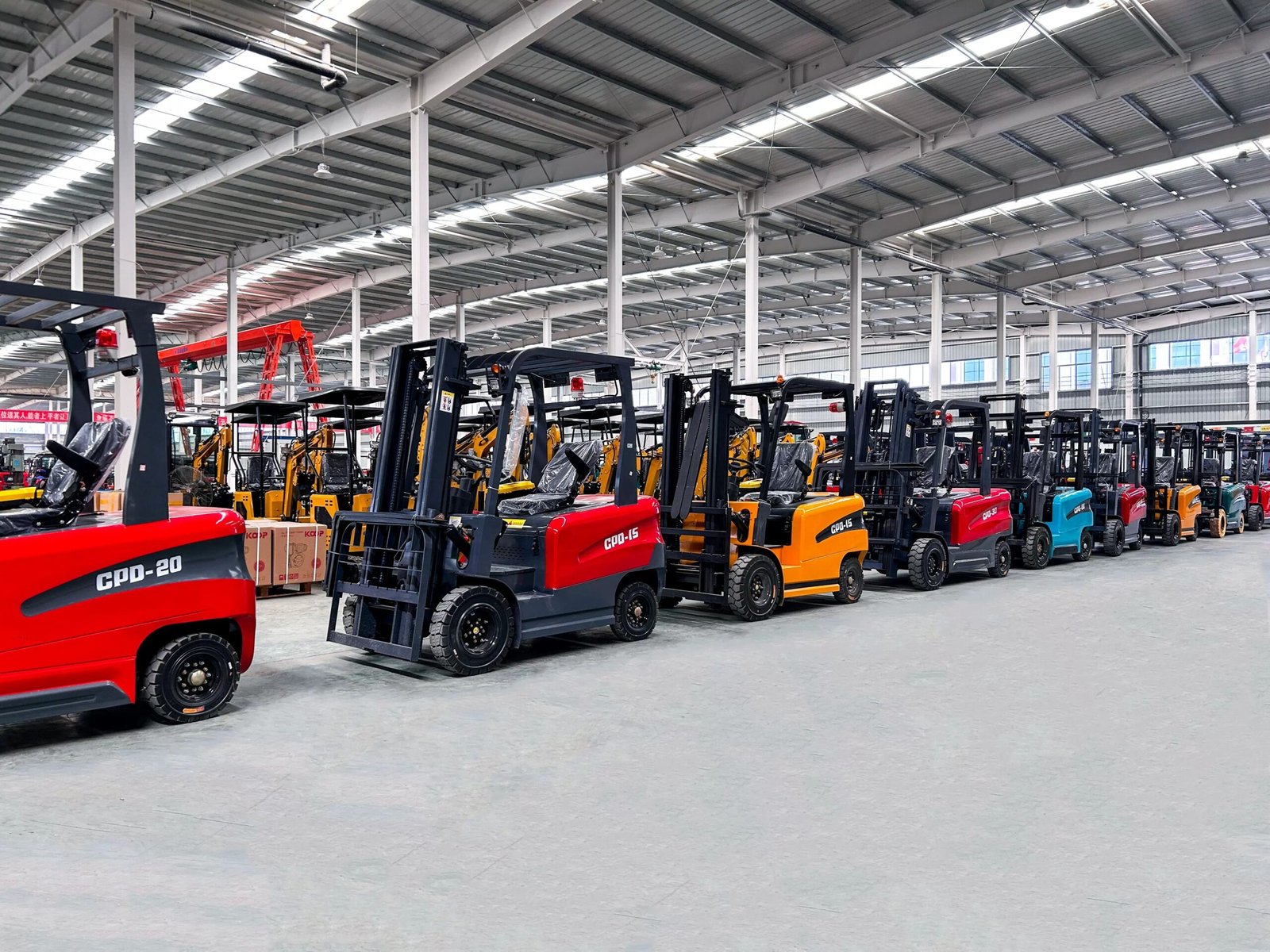
Factory-direct brands like Voltruk offer:
- Faster delivery (15–25 days)
- Lower MOQ (1 unit)
- Flexible OEM colors and logos
- Direct access to the technical team
- Direct spare-parts support
I once helped an Australian customer compare TCO (total cost of ownership). Over five years, the global brand’s maintenance cost was 45% higher than a lithium forklift from a specialized manufacturer. The reason was simple: brushless AC motors, sealed controllers, and maintenance-free lithium systems significantly reduce long-term expenses.
That’s why the electric forklift market is shifting toward specialized, agile manufacturers.
How to verify if a forklift brand is truly reliable
Ask for:
- Factory inspection videos
- Load test reports
- Supplier certificates (battery, controller, hydraulic system)
- Export country list for the last 12 months
- Standard after-sales workflow (“photo → evaluation → spare parts/shipment/credit”)
If a dealer struggles to show these basics, reliability may be questionable.
At Voltruk, we proactively provide all documentation because reliability is not a slogan—it is a process.
What is the Rule of 3 for forklifts?
The “Rule of 3” means choosing the right forklift for the right load, the right height, and the right environment—ensuring safety and efficiency.
I explain it to customers like this:
“No overloading, no over-height, no wrong environment.”
1) Right Load
Never exceed the rated capacity.
Electric forklifts lose residual capacity at higher lift heights.
2) Right Height
Standard lift height is 3m.
High-bay racking often requires 4.5–6m or more.
3) Right Environment
- Indoor warehouses → 1–2T
- Outdoor uneven floors → 2.5–3.5T
- Narrow aisles → Reach trucks / 3-wheel forklifts
- Cold storage → Heating kits
- Hot warehouses → Upgraded cooling
Why electric forklifts must strictly follow the Rule of 3
Electric forklifts depend heavily on electrical systems—controllers, motors, BMS, wiring, and heat dissipation.
When the environment or load is mismatched, issues arise:
- Overheating
- Reduced power
- Speed loss
- BMS protection mode
That’s why I always request customers to describe their working conditions honestly:
- Floor type
- Incline
- Daily hours
- Temperature
- Pallet type
Once I have that, choosing the correct forklift becomes easy—and breakdowns drop sharply.
Three real mistakes I’ve seen on-site
- Continuous slope driving → Motor overheated
- Wrong pallet size → Forks couldn’t enter pallet
- Wrong hydraulic oil in hot warehouse → Slow lifting, mast vibration
None of these were brand issues—just usage mismatches.
A responsible dealer warns buyers early.
What to look at when buying a forklift?
When buying a forklift, evaluate:
- Load capacity
- Lift height
- Environment
- Battery type
- Service capability
- Long-term operating cost
Load & Model Matching
| Type | Best Use | Lift Height | Capacity | Notes |
|---|---|---|---|---|
| Electric Pallet Truck | Ground transport | ≤200 mm | 1.5–3T | Fast loading/unloading |
| Electric Stacker | Mid racking | 1.6–5.5 m | 1–2T | Budget-friendly |
| Reach Truck | High racking | 6–12 m | 1–2T | Narrow aisles |
| Counterbalance Forklift | General use | 3–6 m | 1.5–3.5T | Indoor/outdoor |
Battery selection — critical for TCO
Lithium = maintenance-free, fast charging, long lifespan
Lead-acid = cheaper upfront, needs watering, slower charging
Most modern buyers choose lithium.
CATL, EVE, and Gotion cells offer excellent stability.
How to evaluate dealer after-sales?
A real dealer provides:
- Parts catalog
- Exploded diagrams
- Wear parts kit
- Maintenance guide
- 24h response
- Proven spare-parts supply
If a dealer only says “don’t worry”—that’s a red flag.
TCO (Total Cost of Ownership) matters most
Real cost includes:
- Tires
- Brake pads
- Hydraulic seals
- Battery replacement cycles
- Downtime losses
- Charging costs
- Operator errors
Electric forklifts almost always win when you calculate cost per operating hour.
Practical procurement checklist
- Load capacity
- Load center distance
- Lift height
- Aisle width
- Ground condition
- Daily hours
- Temperature
- Battery type
- After-sales
- OEM needs
What is the average lifespan of a forklift?
Average lifespan: 8–12 years or 10,000–20,000 hours
Environment matters more than brand.
Lithium vs. Lead-acid Lifespan
- Lithium: 2,500–4,000 cycles
- Lead-acid: 800–1,200 cycles
How to extend your forklift’s lifespan
My main advice: reduce impact & keep it clean.
- Dust on controller = overheating
- Unlubricated mast rollers = vibration
- Overloading = frame stress
Weekly 10-minute inspection:
- Tire bolts
- Chain condition
- Hydraulic leakage
- Controller temperature
- Battery balance
The shortest lifespan case
One Southeast Asia buyer destroyed a forklift in 18 months due to misuse—full speed on gravel with max load. No forklift survives that.
How to pick a forklift?
Use the 3-Step Method:
Step 1: Define working conditions
Load → pallet → height → aisle → floor → hours
Step 2: Choose battery
Lithium recommended for most operations.
Step 3: Evaluate dealer
Most important factor.
The real cost of choosing the wrong dealer
A Mexican buyer had three controller failures with no spare parts. Massive downtime losses.
After switching to a reliable supplier, his fleet stabilized immediately.
Quick selection formula
Forklift = Capacity + Height + Aisle + Environment + Hours
→ Select Battery → Evaluate Dealer → Confirm TCO
Conclusion
Choosing a forklift is not about buying the most expensive one—it’s about choosing the most stable, most suitable, and best-supported solution.
FAQ (10 Q&As)
Q1: How do I know if a forklift dealer is trustworthy?
A1: Check certifications, inspection reports, spare-parts lists, and after-sales workflow. Transparency shows reliability.
Q2: Lithium or lead-acid?
A2: Lithium for 4–8 hours daily or fast charging needs. Lead-acid for low budgets.
Q3: What load capacity should I choose?
A3: 1–2T for light warehouses; 2.5–3T for general use; 3.5T for outdoor.
Q4: How wide should aisles be?
A4: Counterbalance: 3–3.5m; Reach truck: 2.6–2.8m.
Q5: How long does lithium last?
A5: 2,500–4,000 cycles (6–8 years).
Q6: Can electric forklifts work outdoors?
A6: Yes—choose 2.5T+ with sealed controllers.
Q7: Common failures?
A7: Overheating, overloading, battery imbalance, mast wear.
Q8: What’s the delivery time?
A8: Voltruk: 15–25 days; OEM +3–5 days; LA stock available.
Q9: Do operators need special training?
A9: Basic forklift skills apply; dealers should offer extra electric model training.
Q10: Can I customize color or logo?
A10: Yes—Voltruk supports OEM with just 1-unit MOQ.