Most buyers think forklifts only lift 1–5 tons, but the industrial world goes far beyond that. When you enter heavy manufacturing, ports, or steel yards, lifting capacity becomes an entirely different game.
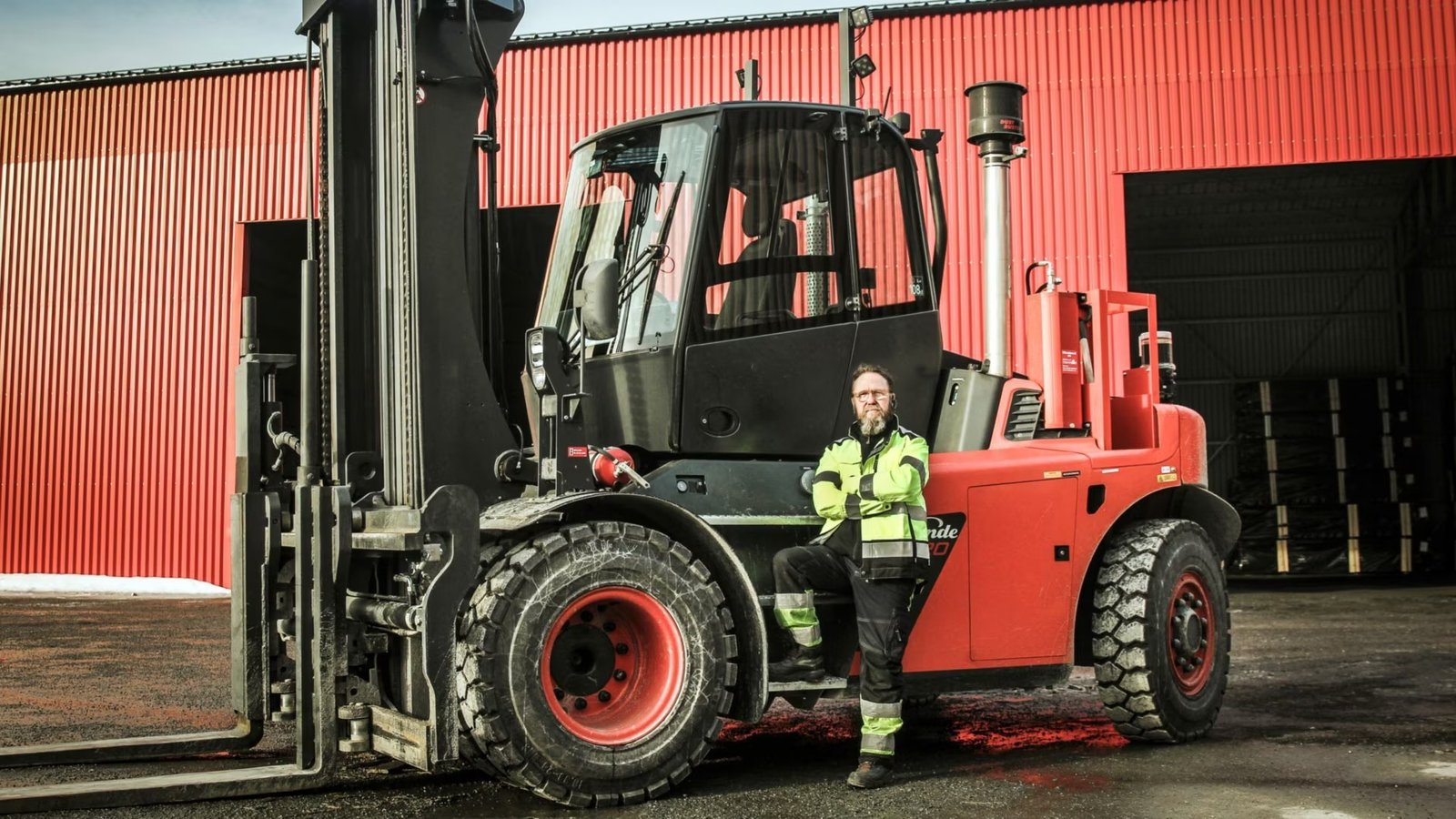
The most powerful forklifts in the world can lift between 50 and 90 tons, depending on the manufacturer and configuration. These ultra-heavy machines are engineered for ports, steel mills, mining, and oversized industrial loads.
I still remember standing next to a 52-ton port forklift in Tianjin. Its tire alone was taller than me. Moments like that remind me how wide the forklift world really is.
H2-1: What Defines “Lifting Capacity” in Heavy-Duty Forklifts?
A forklift’s lifting capacity is determined by its mast strength, frame design, counterweight mass, powertrain output, and load-center stability.
Capacity is not just “how heavy” a forklift can lift—it is an engineering balance of:
- Structural strength
- Hydraulic pressure limits
- Stability under height
- Frame torsion resistance
- Counterweight ratio
For ultra-heavy forklifts, every component—from steel thickness to hydraulic cylinders—must withstand continuous stress in harsh environments like steel mills or port terminals.
H3-1.1: Structural Engineering Limits — Mast, Frame, Counterweight
- Heavy-duty masts use extremely thick channels and high-strength welding.
- Frames become wider and reinforced to resist torsion.
- Counterweights scale dramatically: a 50-ton forklift may use a 20+ ton counterweight.
H3-1.2: Powertrain Differences — Diesel vs Electric vs Hybrid
- Diesel → dominates 20–90 ton forklifts due to torque
- Electric (10–18 tons) → emerging with large lithium packs
- Hybrid → experimental in 15–25 ton range
Electric is increasingly viable, but battery mass remains a limiting factor for ultra-heavy models.
H3-1.3: Stability Factors — Load Center, Tires, Terrain
- Capacity depends on the stated load center (often 600–1200 mm).
- Longer or off-center loads sharply reduce capacity.
- Pneumatic tires improve stability on rough terrain; solid tires serve indoor heavy-duty needs.
H2-2: What Is the Lifting Capacity of the Most Powerful Forklift in the World?
The world’s most powerful forklifts lift between 50 and 90 tons.
Manufacturers dominating this segment include Kalmar, Konecranes, and Hyster, known for massive industrial machines used in ports and heavy factories.
Large-capacity forklifts typically feature:
- Engines 250–350+ kW
- Giant hydraulic cylinders
- Frames up to 3–5 meters wide
- Lift heights 4–6 meters
These forklifts prioritize torque and stability over speed or maneuverability.
H3-2.1: Benchmark Models (Kalmar, Konecranes, Hyster)
These companies produce forklifts designed specifically for:
- Steel coils
- Heavy machinery
- Containerized cargo
- Mining loads
They are engineered for durability under extreme stress.
H3-2.2: Why Ultra-Heavy Forklifts Reach 50–90 Tons
Industries need to lift:
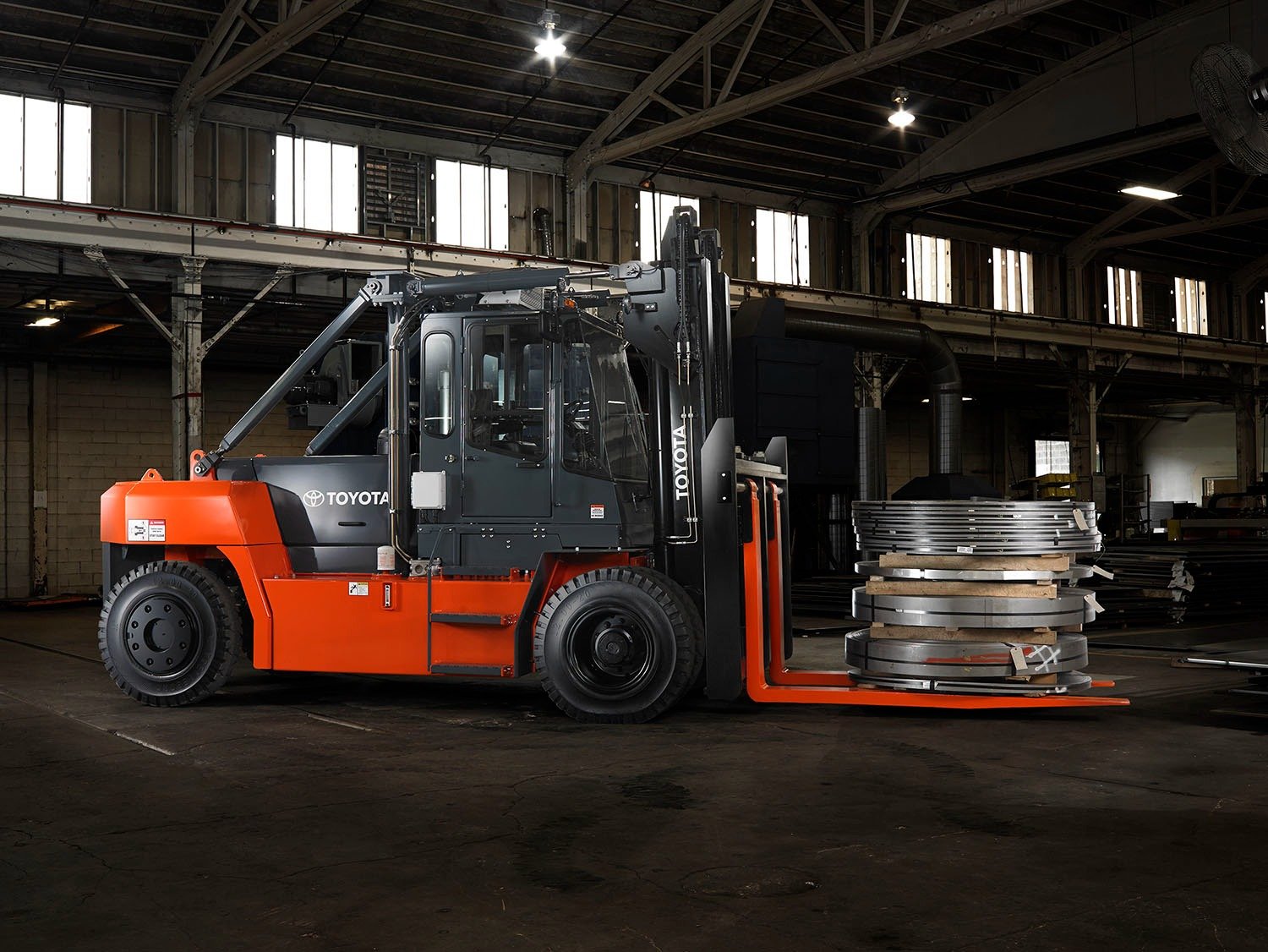
- 40–60 ton steel coils
- Oversized dies and molds
- Mining crushers
- Wind turbine components
- Loaded containers
Cranes are not always suitable—especially in tight ground-level areas. Heavy forklifts fill this operational gap.
H3-2.3: Real-World Industries Using Extreme-Capacity Forklifts
H4-2.3.1: Steel Mills, Ports, Container Yards
Used for coils, slabs, billets, and heavy cargo.
H4-2.3.2: Wind Turbine, Shipbuilding, Mining
Used for heavy castings, engines, drilling equipment, and structural components.
H2-3: How Lifting Capacity Varies Across Forklift Categories
Different forklift categories range from 1 ton to over 50 tons depending on design and application.
This helps distributors avoid selling oversized or undersized models.
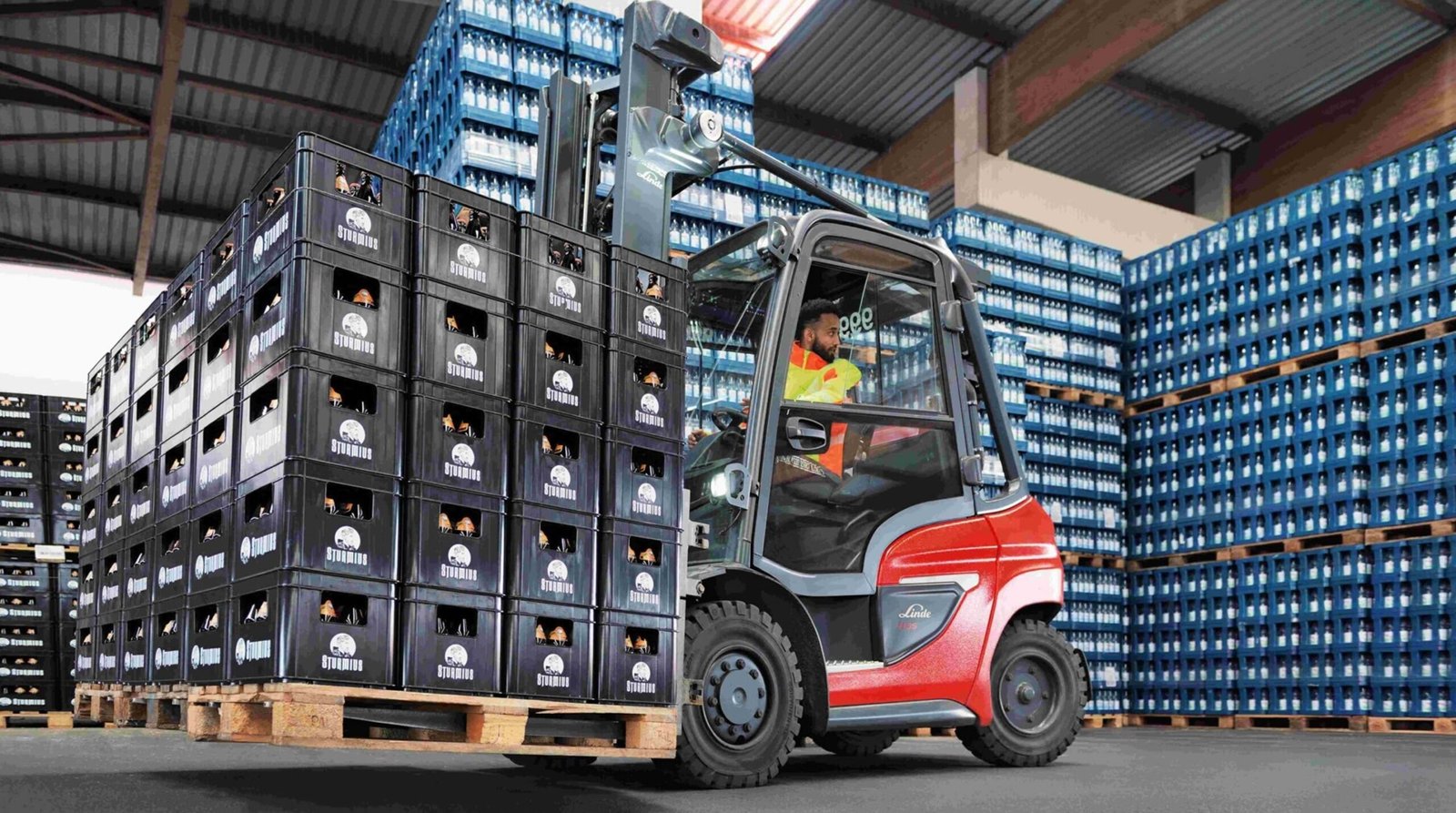
H3-3.1: Standard Counterbalance Forklifts (1.5–5 Tons)
Voltruk’s specialization. Perfect for:
- Pallet handling
- Factory logistics
- Truck loading
- Warehouse operations
Lithium models deliver stable power and minimal maintenance.
H3-3.2: Mid-Heavy Industrial Forklifts (6–16 Tons)
Used in:
- Machinery manufacturing
- Metal processing
- Oversized pallets
Mostly diesel-powered for high torque.
H3-3.3: Port & Container-Handling Forklifts (25–52 Tons)
Used for:
- Containers
- Steel plates
- Heavy coils
H4-3.3.1: Forklifts vs Reach Stackers
Reach stackers lift 40–45 tons but use telescopic booms, not forks.
H4-3.3.2: Battery-Electric Heavy Forklifts
10–18 ton lithium models are now emerging for indoor heavy industry.
H2-4: What Lifting Capacities Matter Most for Distributors & Warehouses?
For 80% of global operations, the most important lifting range is:
1.5–3.5 tons
This range covers nearly all palletized goods and is ideal for:
- Warehouses
- Logistics centers
- Manufacturing lines
- Distribution hubs
H3-4.1: Why 1.5–3.5T Fits Most Global Applications
Standard pallets rarely exceed:
- 1.2–1.8 tons for general goods
- 2.5–3 tons for heavy materials
Lithium forklifts handle these loads perfectly with stable performance.
H3-4.2: Common Mistakes Buyers Make
Overbuying capacity leads to:
- Higher costs
- Bigger turning radius
- More battery drain
- Faster wear on hydraulics
Correct capacity selection is crucial for efficiency.
H3-4.3: How to Calculate the “Real” Capacity You Need
(Max pallet weight + attachment weight) × load center factor
H4-4.3.1: Load Center, Pallet Size & Lift Height
Higher lifts reduce rated capacity significantly.
H4-4.3.2: Stable Output of Lithium Forklifts
Lithium maintains voltage → consistent lifting power → ideal for rental fleets.
H2-5: When Does It Make Sense to Choose Voltruk?
Choose Voltruk when you need high-quality 1.5–3.5T electric forklifts with:
- Fast 15–25 day OEM delivery
- CATL / EVE / Gotion lithium packs
- AC drive systems
- LA warehouse spare parts
- Factory-direct pricing
This range covers nearly all warehouse and logistics tasks.
H3-5.1: Voltruk’s Lithium Forklift Lineup
- CPD15 → 1.5T
- CPD20 → 2.0T
- CPD25 → 2.5T
- CPD30 → 3.0T
- CPD35 → 3.5T
H3-5.2: Why Lithium Gives More Stable Lifting Output
Lithium offers:
- Fast charging
- Maintenance-free operation
- Flat discharge curve
- Stable hydraulic strength
Ideal for multi-shift operations.
H3-5.3: Factory-Direct Advantages at Voltruk
- OEM color/logo within 20–25 days
- CE + ISO9001 + UN38.3 documentation
- LA warehouse inventory
- Photo → credit warranty
- Consistent QC with load tests, mast alignment, and hydraulic pressure checks
Conclusion
The world’s most powerful forklifts lift 50–90 tons, far beyond standard warehouse needs.
But for distributors and end users, 1.5–3.5T lithium forklifts remain the essential range—efficient, stable, and ideal for 80% of palletized goods.
Voltruk delivers dependable, factory-direct lithium forklifts for warehouses, logistics centers, and rental fleets—backed by strong QC, fast delivery, and OEM support.
Next Steps (CTA)
👉 Get wholesale quote
👉 Request OEM samples
👉 Download temperature chart PDF
👉 Visit LA warehouse
👉 Email Frank: info@voltruk.com
FAQ (10 Q&As)
Q1: What is the maximum lifting capacity of a forklift?
A1: The largest forklifts in the world lift 50–90 tons, mainly used in ports, steel mills, and heavy industries.
Q2: Which company makes the most powerful forklift?
A2: Kalmar, Konecranes, and Hyster lead the ultra-heavy forklift segment.
Q3: How much weight can a standard warehouse forklift lift?
A3: Standard electric forklifts lift 1.5–3.5 tons.
Q4: Are electric heavy-duty forklifts available?
A4: Yes—electric forklifts now reach 10–18 tons with large lithium systems.
Q5: What affects a forklift’s lifting capacity?
A5: Mast strength, frame design, counterweight, load center, attachments, and terrain.
Q6: Where are ultra-heavy forklifts used?
A6: Steel mills, ports, mining sites, wind turbine factories, and shipyards.
Q7: Why does lifting height reduce capacity?
A7: Higher mast extension increases leverage, reducing stability and rated capacity.
Q8: How do I calculate the capacity I really need?
A8: Add pallet weight + attachment weight × load center factor.
Q9: Is a 5-ton forklift necessary in most warehouses?
A9: No. Most operations safely run with 2–3.5T forklifts.
Q10: Why choose Voltruk for lifting capacity needs?
A10: Voltruk provides 1.5–3.5T lithium forklifts with factory-direct pricing, fast OEM delivery, and reliable QC—ideal for warehouses and distributors.