Operating a stand-up forklift looks simple—but many first-time users feel overwhelmed by its steering sensitivity, visibility angle, and balance point. In this guide, I’ll break everything down in plain language so you can work safely and confidently.
A stand-up forklift is operated by entering the side compartment, taking a stable stance, controlling the travel lever, steering wheel, and hydraulic levers to lift and move pallets safely. The key steps include pre-shift inspection, stable body posture, controlled turning, and proper shutdown. I’ll also share tips I picked up when training new operators in our partner warehouses.
What is a stand-up forklift and how does it work?
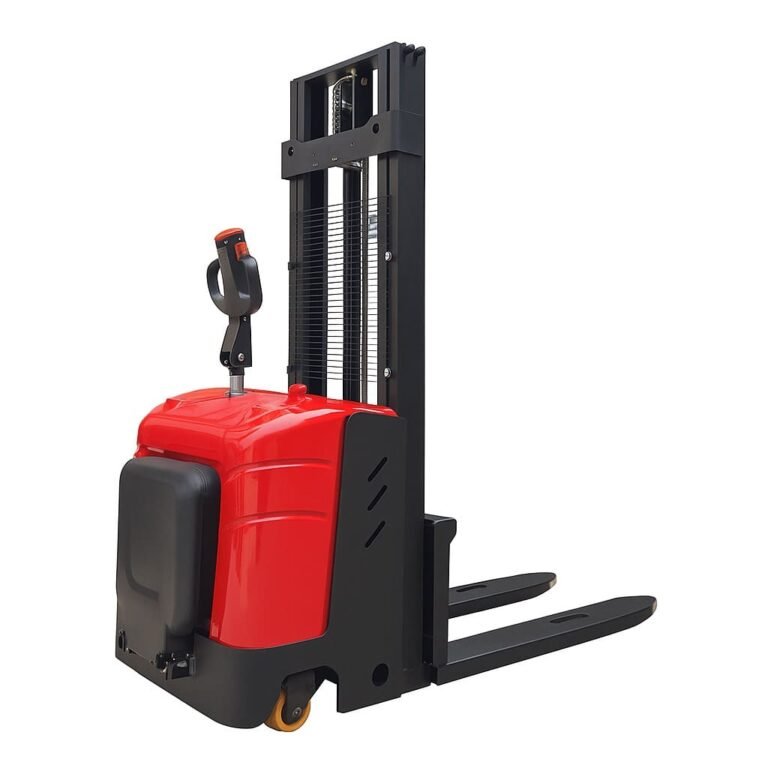
A stand-up forklift works by allowing the operator to stand inside a side-entry compartment, steer with a compact wheel, travel using a directional handle, and control lifting through hydraulic levers. This design enables fast maneuvering and efficient pallet handling in tight warehouse spaces.
Stand-up forklifts (also called stand-on forklifts) are built for high-frequency operations where the operator hops on/off frequently. They are faster than sit-down forklifts in tight aisles and offer better side visibility.
I remember visiting a client in Los Angeles who switched their picking zone to stand-up units because sit-down forklifts wasted too much time during frequent mounting and dismounting. Their average pick cycle dropped by nearly 18%.
Core components of a stand-up forklift
Main components include:
- Operator compartment
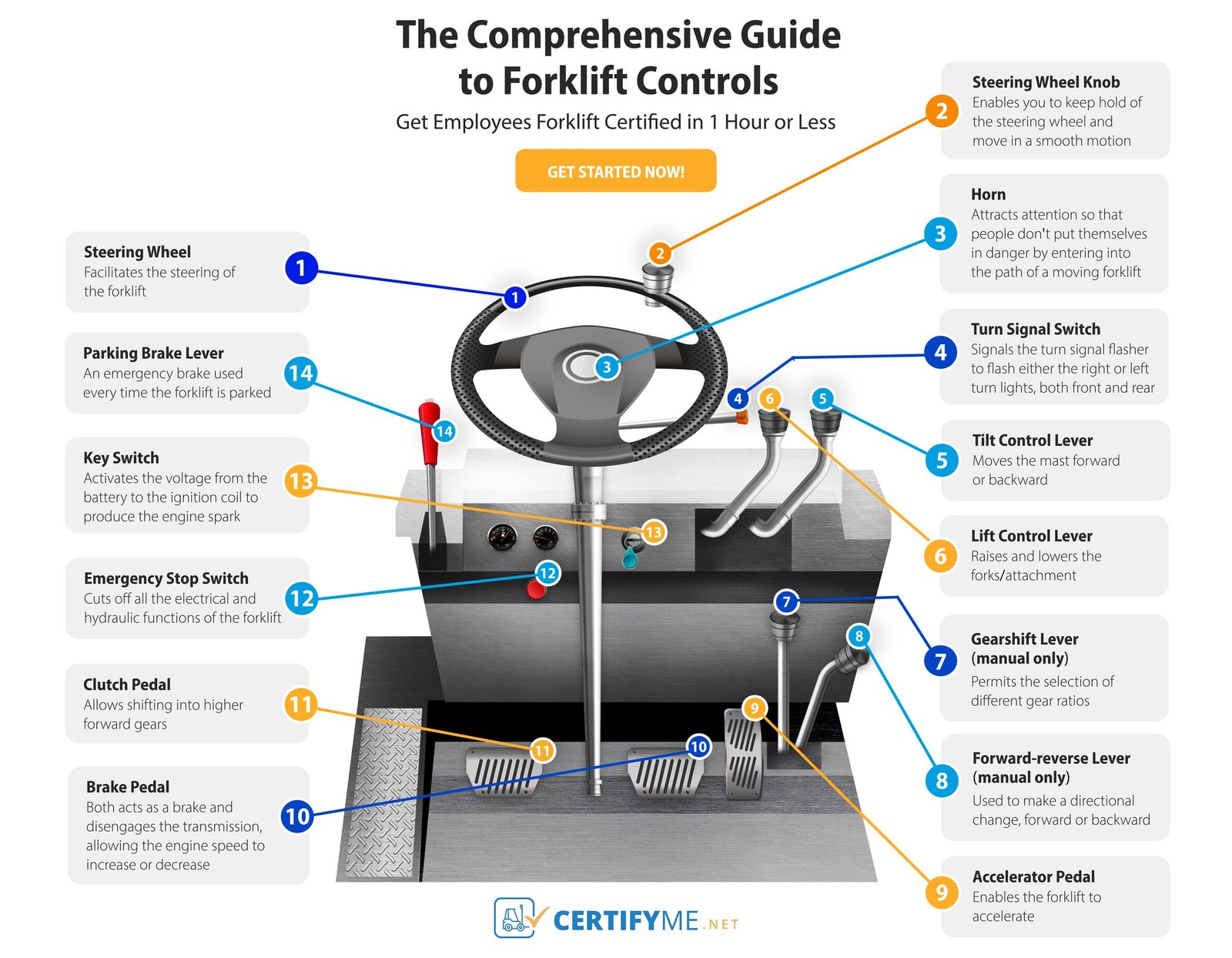
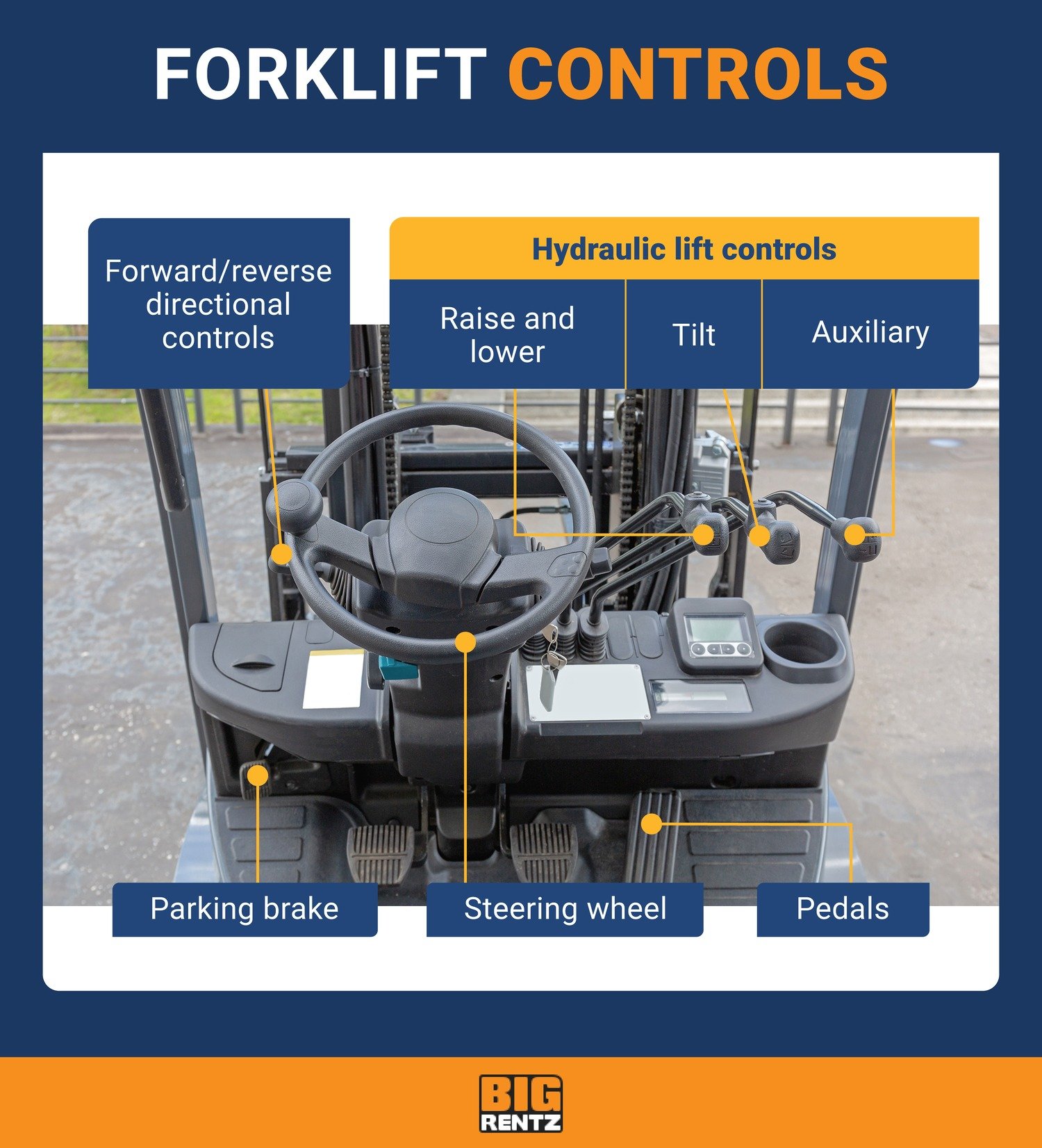
- Steering wheel (small, very responsive)
- Travel control (forward/reverse)
- Hydraulic levers (lift, lower, tilt)
- Mast & forks
- Safety pedal or “deadman switch”
- Lithium or lead-acid battery system
These allow quick maneuvering in narrow aisles (2.7–3.0 meters).
Stand-up vs sit-down forklift: when to choose which
Stand-up forklifts excel in:
- High-frequency picking
- Narrow aisles
- Short travel distances
- Fast docking
Sit-down forklifts are better for:
- Long-distance movement
- Outdoor use
- Loads above 3.5 tons
Typical applications in warehouses and logistics
Widely used in:
- E-commerce fulfillment
- 3PL logistics
- Retail distribution
- Cold-chain
- Beverage warehouses
Voltruk’s stand-up models use AC drive motors + CATL lithium batteries for fast acceleration and long runtime.
Pre-operation safety checks (before you start driving)
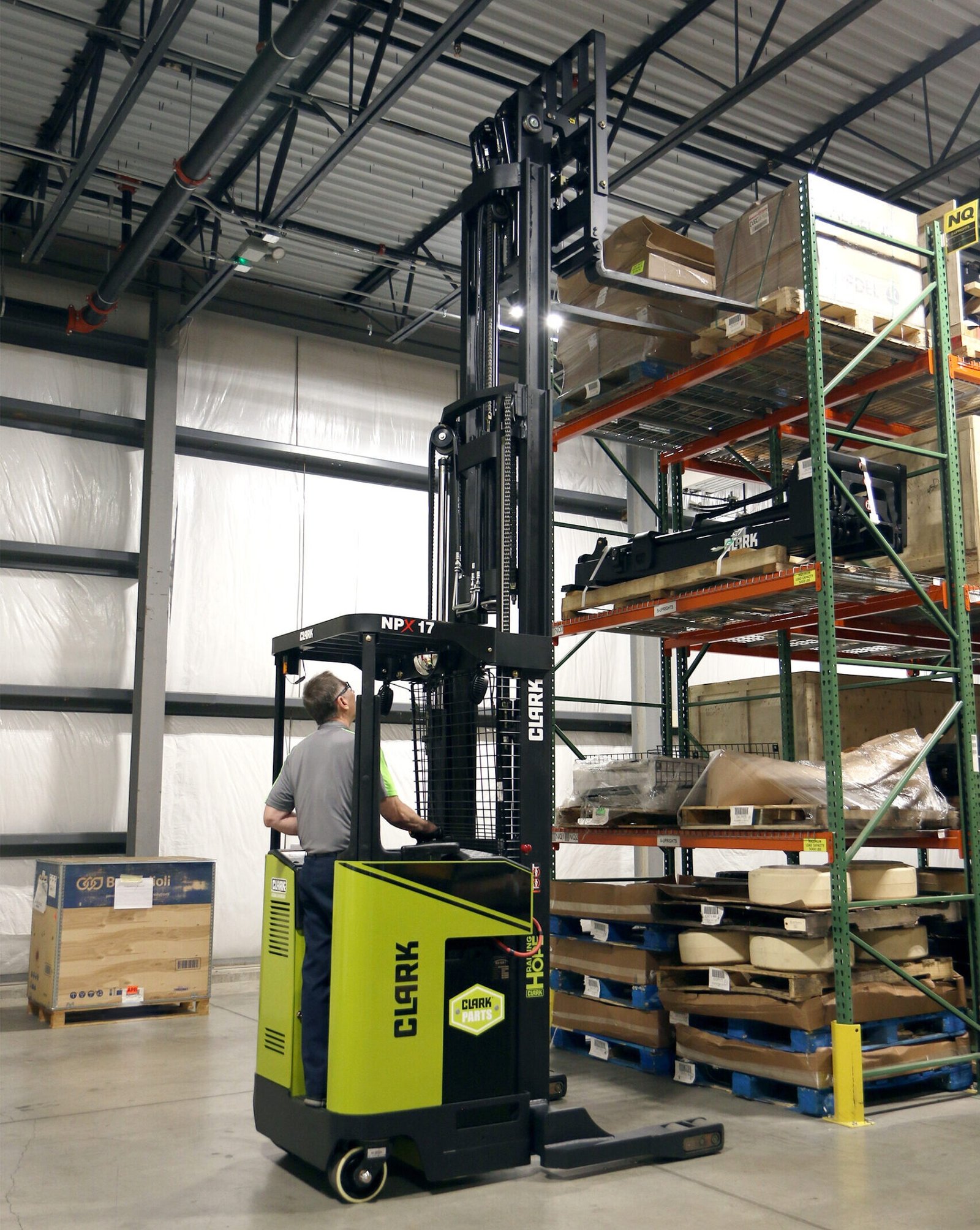
Before operating a stand-up forklift, inspect the battery, mast, forks, hydraulics, wheels, brakes, and safety switches. These checks prevent tip-overs, failures, and downtime.
I tell trainees: “Five minutes of inspection saves five hours of repair.”
Battery, charger, and BMS inspection
For lithium forklifts, check:
- Battery charge (≥30%)
- BMS indicator status
- Charger cable & connector
- No overheating from previous shift
Lithium batteries are stable but still need clean connectors and proper cooling.
Mast, forks, and hydraulic system
Inspect:
- Fork cracks or bending
- Mast rollers and rails
- Hydraulic hoses & leaks
- Smooth cylinder movement
Wheels, parking brake, and travel alarms
Check for:
- Tire wear or embedded debris
- Smooth steering
- Reverse alarm function
- Firm brake engagement
Quick pre-shift inspection checklist
- Battery above 30%
- No hydraulic leaks
- Forks straight and undamaged
- Tires clean
- Brake functional
- Horn & alarms working
- Deadman pedal responsive
- Mast moves smoothly
- Safety decals visible
- No unusual smells/noises
How to start and control a stand-up forklift (step-by-step)
To operate a stand-up forklift, step into the compartment, take a stable stance, activate the deadman pedal, select direction, steer smoothly, and use hydraulic levers to lift/lower.
Below is the same method I use when training new operators.
Entering the operator compartment and correct stance
Steps:
- Face forward and step in with inside foot
- Hold the overhead grab handle
- Stand on anti-slip floor
- Keep knees slightly bent
- Lean outward slightly for visibility
This stance reduces fatigue and improves control.
Steering, travel control, and visibility rules
Stand-up forklifts steer VERY differently from cars:
- Small steering = big movement
- Keep forks low during travel
- Look through mast window (never over it)
- Use side visibility for tight turns
Beginners should practice in an empty aisle first.
Lifting, tilting, and lowering safely
Use hydraulic levers to:
- Lift forks
- Tilt slightly back
- Move slowly above 2–3 meters
Move–Lift–Lower Formula:
Move → Lift → Lower → Exit straight
This avoids load shifts and instability.
Operating with load: turning, stacking, aisles & ramps
When carrying a load, keep forks low, drive slowly, turn gently, and stay square to rack before lifting.
Beginners often over-steer—stand-up forklifts are very responsive.
Turning radius management in narrow aisles
Key points:
- Slow down before turning
- Turn gradually
- Watch both pallet corners
- Forks at ankle height
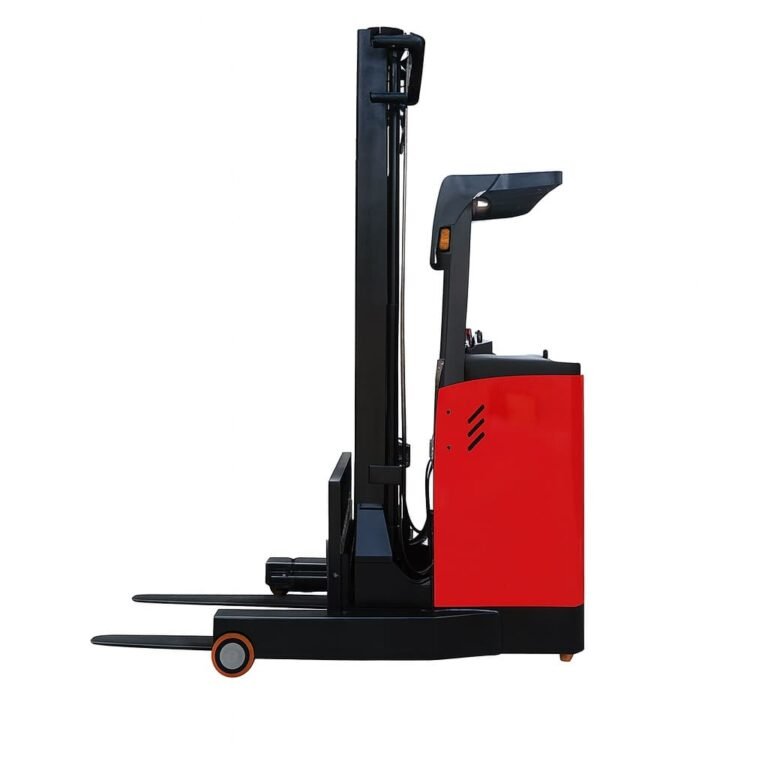
Reach trucks behave differently—don’t mix techniques.
Safe stacking and unstacking
Steps:
- Approach straight
- Stop early
- Lift to rack height
- Move forward slowly
- Set pallet down
- Reverse straight
Tilting back during descent adds stability.
Slope, ramp, and dockboard operation
Rules:
- Load faces uphill
- Keep forks low
- Never turn on slopes
- Move slowly onto dockboards
Always check dockboard weight rating.
Common mistakes beginners make (and how to avoid them)
- Over-steering → practice micro-turns
- Lifting while moving → always stop first
- Forks too high → keep low during travel
- Wheel debris → clean daily
- Turning under heavy load → slow early
Parking, shutdown & daily maintenance
To shut down safely:
- Park on level ground
- Lower forks completely
- Neutralize travel control
- Turn key off
- Exit using grab handle
- Plug in charger if needed
Cleaning, charging, and battery care
For lithium:
- Charge anytime
- Avoid extreme heat
- Keep connectors dry
- Wipe dust weekly
Daily maintenance tasks
- Check tire wear
- Inspect mast rollers
- Clean debris
- Test brake
- Test alarms
Quick 10-point end-of-shift checklist
- Forks lowered
- Key removed
- Battery charging
- Wheels cleaned
- Floor swept
- Fork carriage wiped
- Horn working
- Alarms functional
- No leaks
- Report issues
When to upgrade to an electric stand-up forklift
Upgrade when you need:
- Faster picking
- Better maneuverability
- Reduced fatigue
- Lower maintenance
- Long-term cost savings
Lithium-powered stand-up units reduce downtime and battery replacement costs.
Safety and productivity improvements
- Faster entry/exit
- Better visibility
- No indoor emissions
- Lower noise
- Smooth AC acceleration
Battery performance & maintenance cost comparison
Lithium advantages:
- 4–6h charge → 6–8h runtime
- No watering
- BMS protection
- Longer lifespan
OEM customization (color, mast, battery, forks)
Voltruk offers:
- Custom color
- Logo printing
- Mast height options
- CATL / EVE / Gotion batteries
- Custom forks/attachments
How Voltruk supports distributors & rental fleets
- LA warehouse demo units
- 20–25 day OEM
- Spare parts kits
- “Photo → credit” after-sales
- 1-unit MOQ & factory-direct price
Conclusion
Operating a stand-up forklift becomes easy once you understand stance, visibility, steering sensitivity, and safe load-handling techniques. For warehouses, distributors, and rental companies, the right electric stand-up forklift improves both safety and efficiency.
If you're sourcing forklifts, I’m here to help.
Voltruk provides factory-direct pricing, 1-unit MOQ, OEM color/logo, and 15–25-day delivery.
Ready to move forward?
- Get wholesale quote
- Request OEM samples
- Download temperature chart PDF
- Email Frank (info@voltruk.com)
- Book LA warehouse visit
FAQ (10)
Q1: Is a stand-up forklift easier to operate than a sit-down forklift?
Yes in tight spaces. Stand-up units offer faster entry/exit and better side visibility, but require steering control.
Q2: How long does it take to learn stand-up forklift operation?
1–2 hours for basics; 1–3 days for full confidence.
Q3: What should I check before operating a stand-up forklift?
Battery, mast, forks, hydraulics, tires, brakes, alarms.
Q4: Do stand-up forklifts tip over easily?
Not if used correctly. Most tip-overs come from fast turns or high forks.
Q5: Can stand-up forklifts operate outdoors?
Short distances, yes. Rough terrain, no.
Q6: What battery is best?
Lithium (CATL/EVE) — long cycle life, fast charging, no watering.
Q7: How often should I charge an electric stand-up forklift?
Lithium → anytime (opportunity charging).
Lead-acid → full cycle required.
Q8: What is typical lifting height?
3–6 meters standard; custom masts available.
Q9: Can I customize color and logo?
Yes, with 20–25-day OEM lead time.
Q10: How do I choose capacity?
Base it on heaviest pallet weight + top lift height. Most warehouses use 1.5–2.5T.