Choosing the right forklift attachment can instantly change how efficiently your warehouse handles materials—and how safely your operators work.
The main types of forklift attachments include side shifters, fork positioners, multi-pallet handlers, clamps, rotators, fork extensions, booms, work platforms, and safety add-ons. Each attachment is designed to improve handling speed, reduce damage, and match specific warehouse tasks. I still remember helping a client in Mexico switch from manual clamps to hydraulic ones—they saved nearly two hours per shift.
What Are the Main Categories of Forklift Attachments?
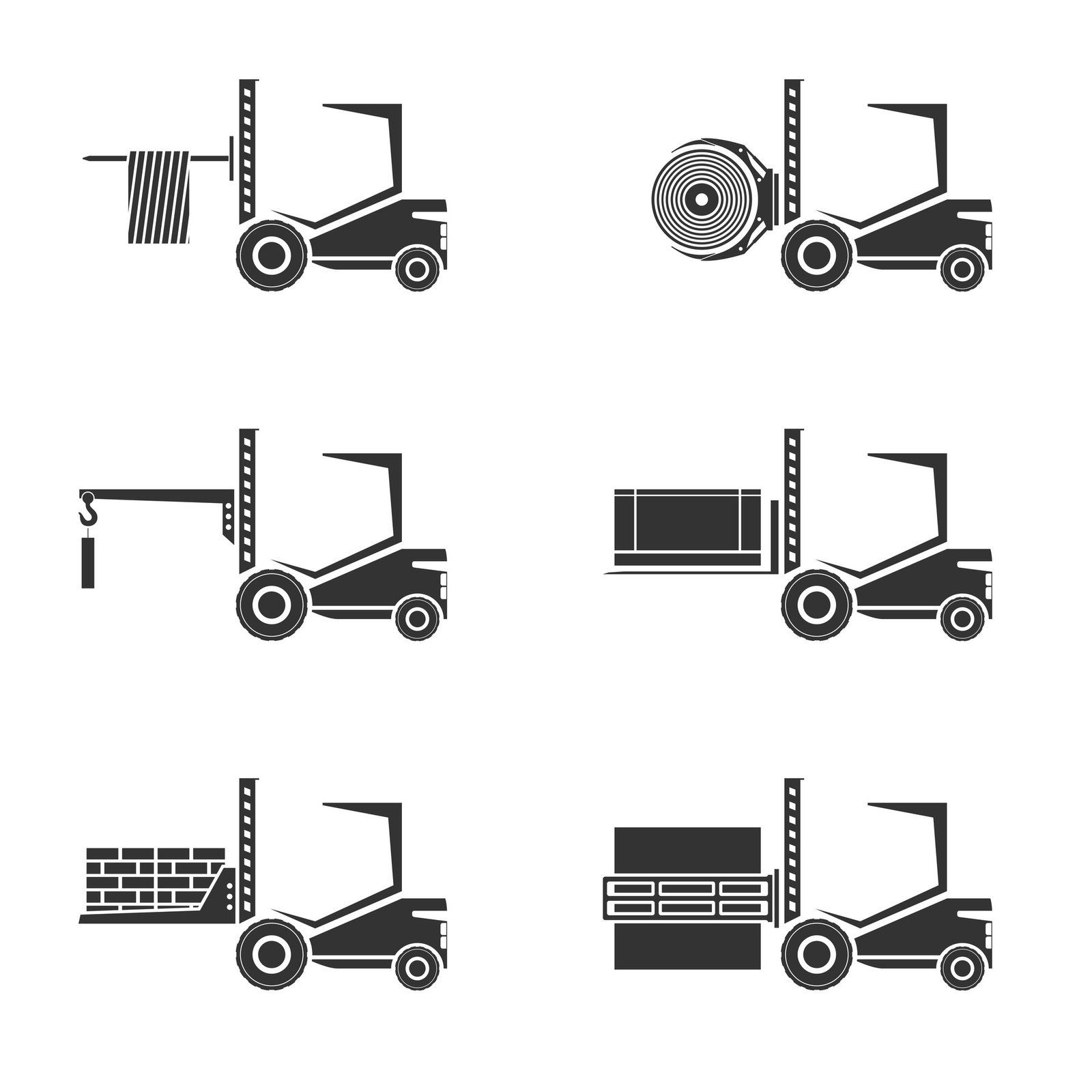
Forklift attachments fall into three categories: load-handling tools, clamping/rotating tools, and extension/safety tools. Each group solves a different material-handling challenge, from pallet alignment to bulk-goods gripping.
When I visit warehouses—from LA to Dubai to Santiago—the fastest way to judge efficiency is by looking at their forklift attachments. Most rely only on forks, but attachments can multiply productivity without buying new forklifts.
Each category targets different materials: pallets, cartons, rolls, bags, bales, drums, and oversized loads. Matching the right attachment with the correct hydraulic flow and load rating makes all the difference.
Load-Handling Attachments
Load-handling attachments include side shifters, fork positioners, and multi-pallet handlers. These tools improve pallet movement speed, reduce operator fatigue, and prevent product damage.
- Side shifters allow precise left-right alignment.
- Fork positioners adjust fork spacing for mixed pallets.
- Multi-pallet handlers lift two pallets at once—popular in beverage distribution.
Rotation, Clamping & Gripping Attachments
Clamping and rotating tools handle non-palletized goods like cartons, bales, drums, or paper rolls.
- Paper roll clamps → ideal for printing plants
- Carton clamps → appliances, electronics, furniture
- Bale clamps → textile, recycling, agriculture
- Rotators → food processing, agriculture, waste, dumping applications
They rely on stable hydraulic pressure to avoid crushing sensitive loads.
Safety, Stability & Extension Attachments
Extension tools increase reach and capability. Safety tools protect operators during elevated tasks.
- Fork extensions → long loads (lumber, pipes, steel)
- Booms/jibs → crane-style lifting
- Man-baskets/work platforms → maintenance, counting, repairs
Operators must be trained to avoid tip-over or overload risks.
Load-Handling Attachments: When to Use Each Type
Side shifters, fork positioners, and multi-pallet handlers improve pallet speed and accuracy, especially in mixed-pallet warehouses or high-throughput distribution centers.
These are the most common OEM requests—and the fastest upgrades without modifying the forklift body.
Side Shifters
The simplest productivity upgrade. Allow fork shifting left/right by a few centimeters.
Best for:
- Narrow aisles
- Fast alignment
- High pallet flow
Fewer repositioning corrections = less tire wear.
Fork Positioners
Hydraulic fork spacing adjustment. Ideal for:
- Mixed pallet standards (EU/US/Asia)
- Crates and bins
- Large boxes
Prevent pallet breakage caused by manual adjustments.
Multi-Pallet Handlers
Enable operators to lift two pallets at once.
Used in:
- Beverage distribution
- Food
- Cross-docking
- Ports
Increase throughput dramatically but require trained operators.
Choosing Based on Pallet Size, Aisle Width & Load Variety
Check:
- Are pallets mixed or standard?
- Is aisle width under 3.0 meters?
- Does your operation need fast loading?
- Do operators have enough skill?
Wrong attachments in narrow aisles reduce stability.
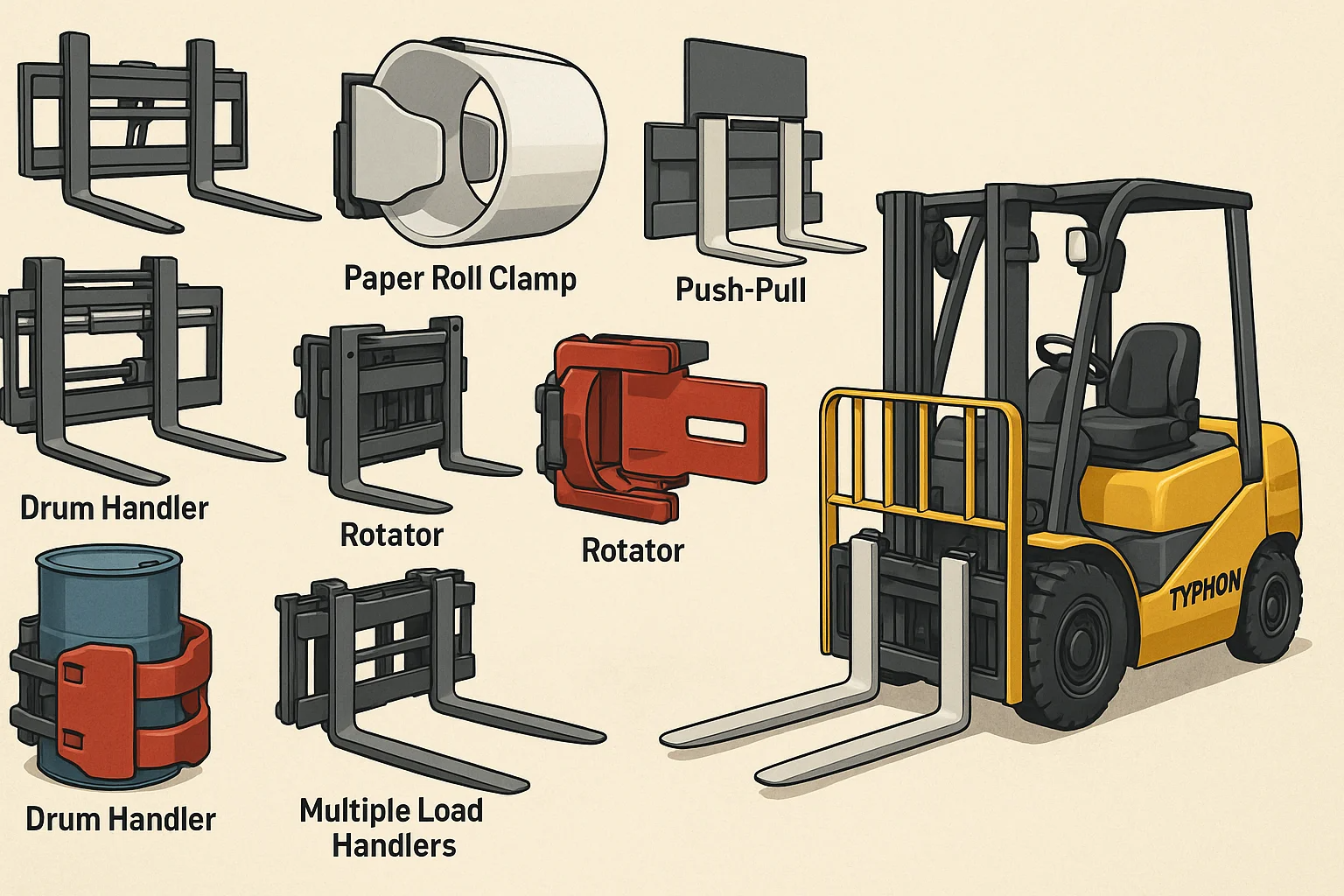
Clamping, Rotating & Specialized Cargo Attachments
Clamps and rotators handle non-palletized goods such as rolls, cartons, drums, or agricultural materials, enabling safer gripping and dumping tasks.
Many warehouses handle loose goods—this is where clamps shine.
Paper Roll, Carton & Bale Clamps
- Paper roll clamps → rotate & protect heavy rolls
- Carton clamps → appliances, furniture, electronics
- Bale clamps → textiles, recycling, agriculture
Smooth hydraulic pressure prevents crushing.
Rotators & Forward-Dump Attachments
Rotators provide 360° rotation for:
- Food processing
- Agriculture
- Waste
- Container emptying
Forward-dump types handle loose goods quickly.
Automotive, Recycling & Food Industry Use Cases
Common examples:
- Parts bins
- Compressed bales
- Fruit/vegetable crates
- Frozen food blocks
Tips:
Use proper hydraulic flow, confirm clamp pad thickness, clean pivot joints.
Extension, Lifting & Safety Attachments
Extensions, booms, jibs, platforms, and cages expand reach, height, and worker safety—training is essential to avoid overload or tipping.
Fork Extensions, Booms & Jibs
Use for long loads:
- Steel profiles
- Pipes
- Lumber
- Long pallets
Booms/jibs turn forklifts into small cranes—popular in construction yards.
Work Platforms & Man-Basket Attachments
Used for:
- Inventory counting
- Maintenance
- Light repairs
Follow safety rules:
- Fall protection
- Platform locking
- Clear hand signals
Only operate on level ground at slow speeds.
Safety Requirements & Common Misuse Mistakes
Avoid:
- Overloading
- Lifting people without railings
- Homemade platforms
- Using extensions on slopes
Corrective steps: training, using certified attachments, weekly weld checks.
Matching Attachments With Different Forklift Types
Different forklift types require specific attachment ratings. Not all attachments are compatible, especially regarding hydraulic flow, load center, and stability.
Counterbalance Forklifts
Handle the heaviest attachments:
- Rotators
- Multi-pallet handlers
- Heavy clamps
- Booms/jibs
Their large counterweight supports heavier loads.
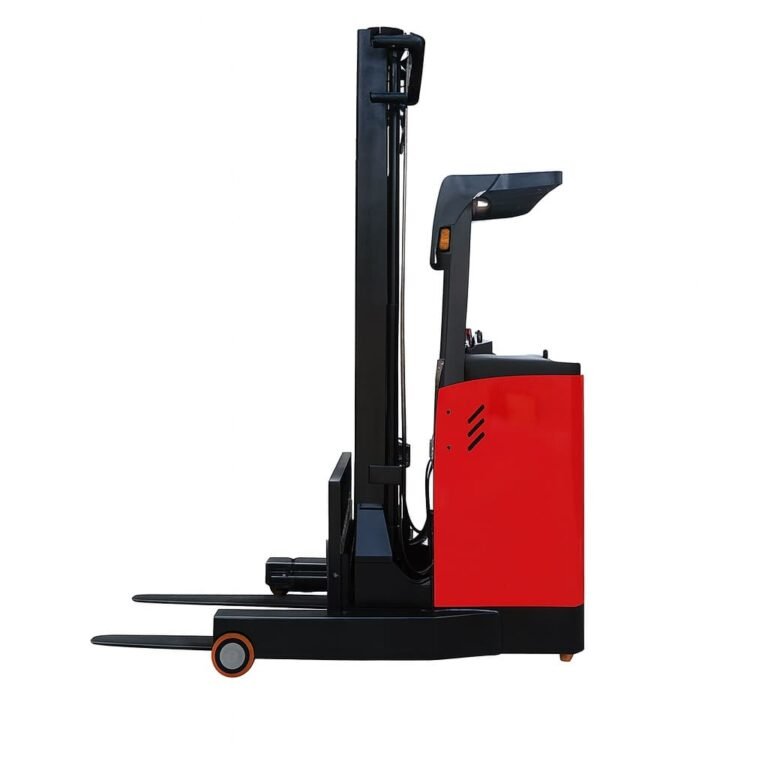
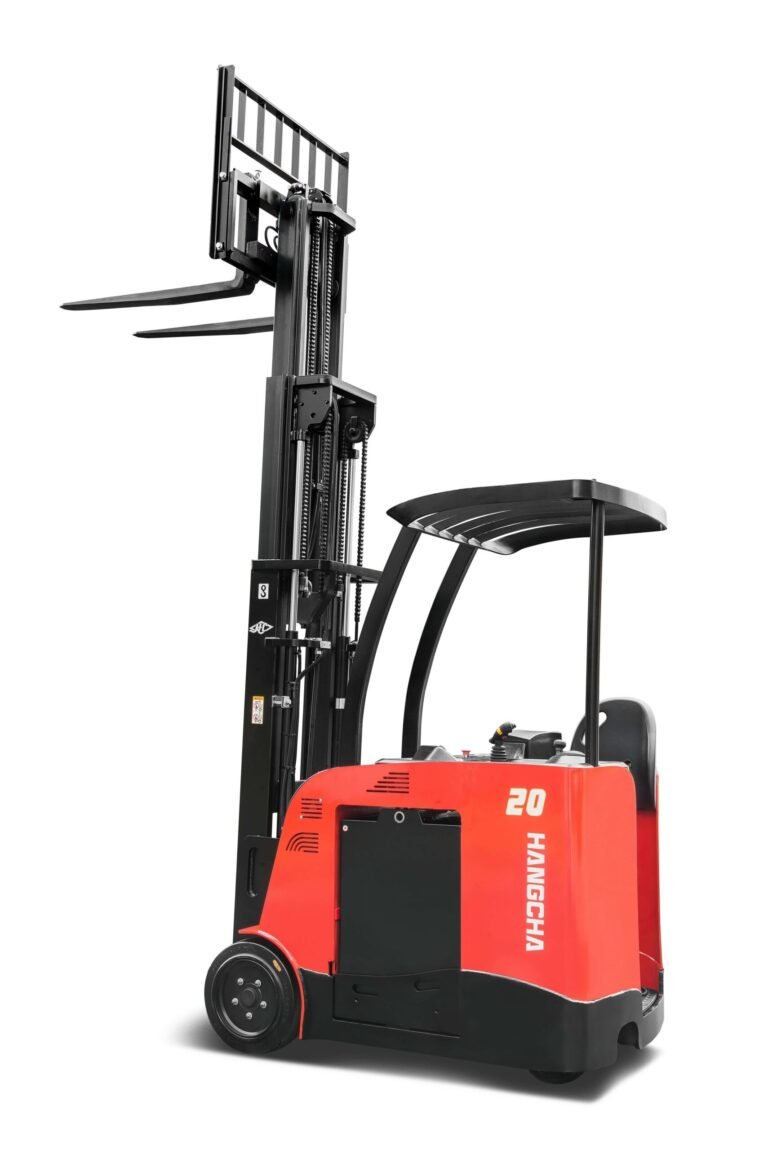
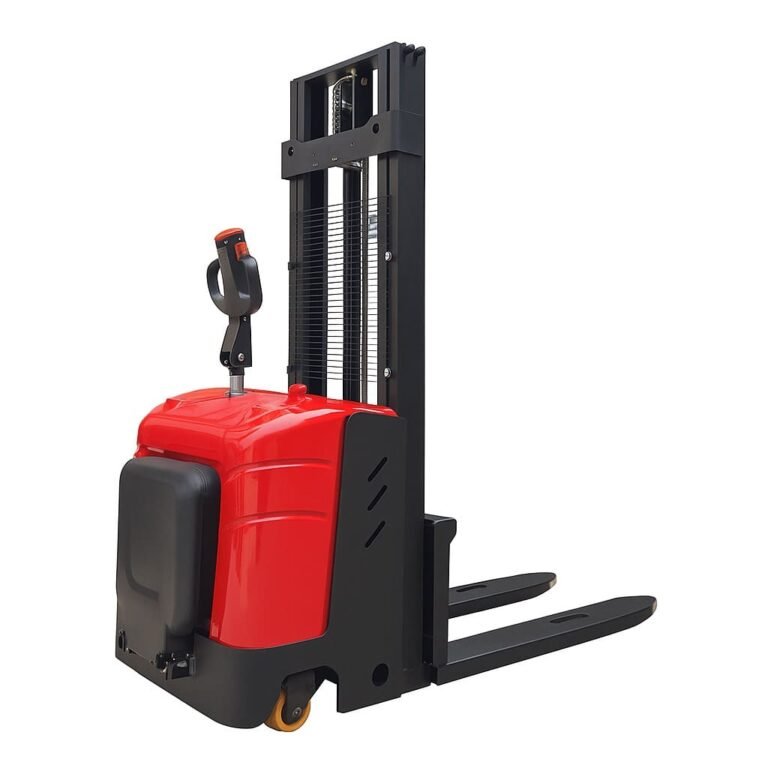
Reach Trucks & Stand-Up Forklifts
Best for lighter attachments:
- Carton clamps
- Small rotators
- Light fork positioners
Stand-up forklifts use compact frames, limiting heavy installations.
Battery Load Impact & Hydraulic Flow Requirements
Lithium batteries affect load distribution.
Check:
- New load center
- Hydraulic flow
- Mast bending limits
- Stability test results
Cost, Maintenance & ROI Considerations for Attachments
Attachments boost productivity but add hydraulic wear, moving parts, and maintenance needs. ROI depends on workload frequency and damage reduction.
Upfront Price vs Productivity Increase
ROI comes from:
- Less operator labor
- Faster cycle times
- Less product damage
- Higher throughput
Good attachments often pay for themselves in 3–6 months.
Hydraulic Wear, Connector Leaks & Overheating Risks
Common issues:
- Hose cracking
- Seal wear
- Overheating from long use
- Connector loosening
Voltruk’s after-sales approach is simple:
“Photo → credit or replacement.”
Inspection Checklist (Daily & Weekly)
Daily:
- Check hoses
- Inspect clamp pads
- Verify smooth rotation
Weekly:
- Lubricate joints
- Tighten connectors
- Check hydraulic oil
How to Choose the Right Forklift Attachment
Choose based on load type, warehouse layout, operator skill, and hydraulic compatibility. Always confirm fit before ordering.
Load Type, Frequency & Warehouse Layout
Ask:
- What materials do you handle?
- Loose or palletized?
- Narrow aisles?
- Daily movement volume?
Match attachment to workload.
Supplier Questions & Compatibility Checks
Ask:
- Will it fit my forklift?
- Hydraulic flow requirement?
- Extra counterweight needed?
- Impact of lithium battery weight?
- Warranty terms?
Voltruk offers OEM options with 20–25 day delivery.
OEM Lead Times, QC Tests & After-Sales Policies
QC includes:
- Load testing
- Movement smoothness
- Seal inspection
- Weld checks
After-sales:
- Fast support
- Photo-based warranty claims
- Spare parts availability
- LA warehouse stock for urgent needs
Conclusion
Forklift attachments are one of the easiest, most cost-effective ways to upgrade warehouse productivity—without buying new forklifts. For distributors and rental companies, offering attachment bundles increases margins. For end users, the right attachment improves safety, reduces damage, and multiplies efficiency.
Ready to Equip Your Forklift Fleet?
✅ Get wholesale quote
✅ Request OEM samples
✅ Download temperature chart PDF
✅ Visit LA warehouse
✅ Email Frank: info@voltruk.com
FAQ (10)
Q1: What is the most common forklift attachment?
Side shifters—because they reduce alignment time and improve accuracy.
Q2: Can any attachment fit any forklift?
No. Attachments must match hydraulic flow, load center, and mast capacity.
Q3: Are carton clamps safe for appliances?
Yes—soft pads protect goods if operators use proper pressure.
Q4: Do attachments reduce forklift capacity?
Yes. Added weight changes load center—always check the new capacity chart.
Q5: What is a rotator used for?
Dumping bins, food processing, agriculture, recycling.
Q6: What are fork extensions used for?
Handling long loads like lumber, pipes, or oversized pallets.
Q7: How often should attachments be inspected?
Daily basics, weekly lubrication and seal checks.
Q8: Can lithium forklifts use all attachments?
Most, but always verify load charts due to lighter battery weight.
Q9: What attachment is best for appliances?
Carton clamps with soft pads.
Q10: Does Voltruk provide OEM attachment solutions?
Yes—custom colors, branding, hydraulic settings, and packaging with 20–25 day lead time.