Choosing the right forklift can feel overwhelming—especially when different models look similar but perform completely different tasks. I’ve helped hundreds of buyers avoid expensive mismatches.
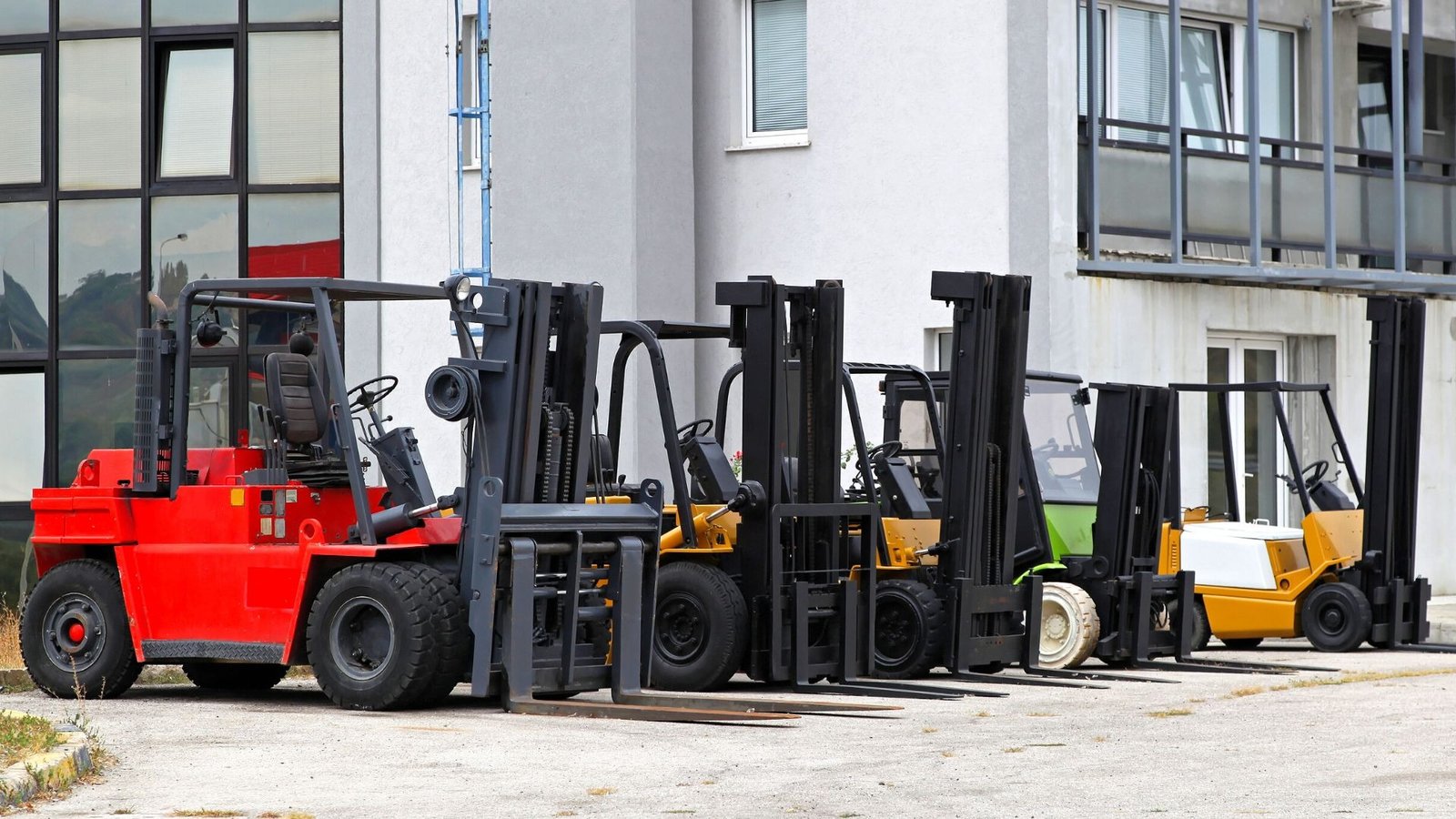
There are several main types of forklifts, including counterbalance forklifts, pallet trucks, stackers, reach trucks, order pickers, tow tractors, and rough-terrain forklifts.
Each type fits specific load, height, aisle width, and operating conditions.
I still remember visiting a warehouse in Malaysia where a distributor used a diesel counterbalance indoors—doors shut, ventilation poor—and operators were exhausted. After identifying the right type, their efficiency jumped overnight.
What Defines the Main Categories of Forklifts?
Forklift categories are determined by power type, mast structure, lifting method, and working environment.
When I guide new distributors or procurement teams, I start with three core questions:
- How is the forklift powered?
- How does it lift?
- Where will it operate?
These decide the correct category more than capacity or price.
Choosing the wrong type often causes more damage than using an old machine. A counterbalance forklift in a narrow aisle wastes space and increases collision risk. A stacker in heavy-duty environments will burn out pumps and cylinders.
H3-1.1: Classifying Forklifts by Power Type (Electric, Diesel, LPG)
Power type affects indoor safety, noise, ventilation, and operating cost.
- Electric forklifts → best for indoor, clean, quiet, low maintenance
- Diesel forklifts → best for outdoor heavy-duty use
- LPG forklifts → middle ground but still combustion-based
In modern warehouses—especially food, pharma, and 3PL—electric is the clear winner.
H3-1.2: Classifying Forklifts by Mast Structure & Lifting Design
A forklift’s mast defines lift height, stability, visibility, and aisle requirement.
- 2-stage mast → low height
- 3-stage mast → high racks, low collapsed height
- Pantograph mast → reach trucks
- Operator-elevating platforms → order pickers
Mast choice is crucial for multi-level warehouse operations.
H3-1.3: Indoor vs Outdoor Applications & Terrain
- Indoors → compact design, zero emissions, tight turning
- Outdoors → high clearance, pneumatic tires, strong axles
- Rough terrain → specialized RT forklifts only
If terrain is uneven, you may need a completely different forklift category.
Counterbalance Forklifts — The Most Common & Versatile Type
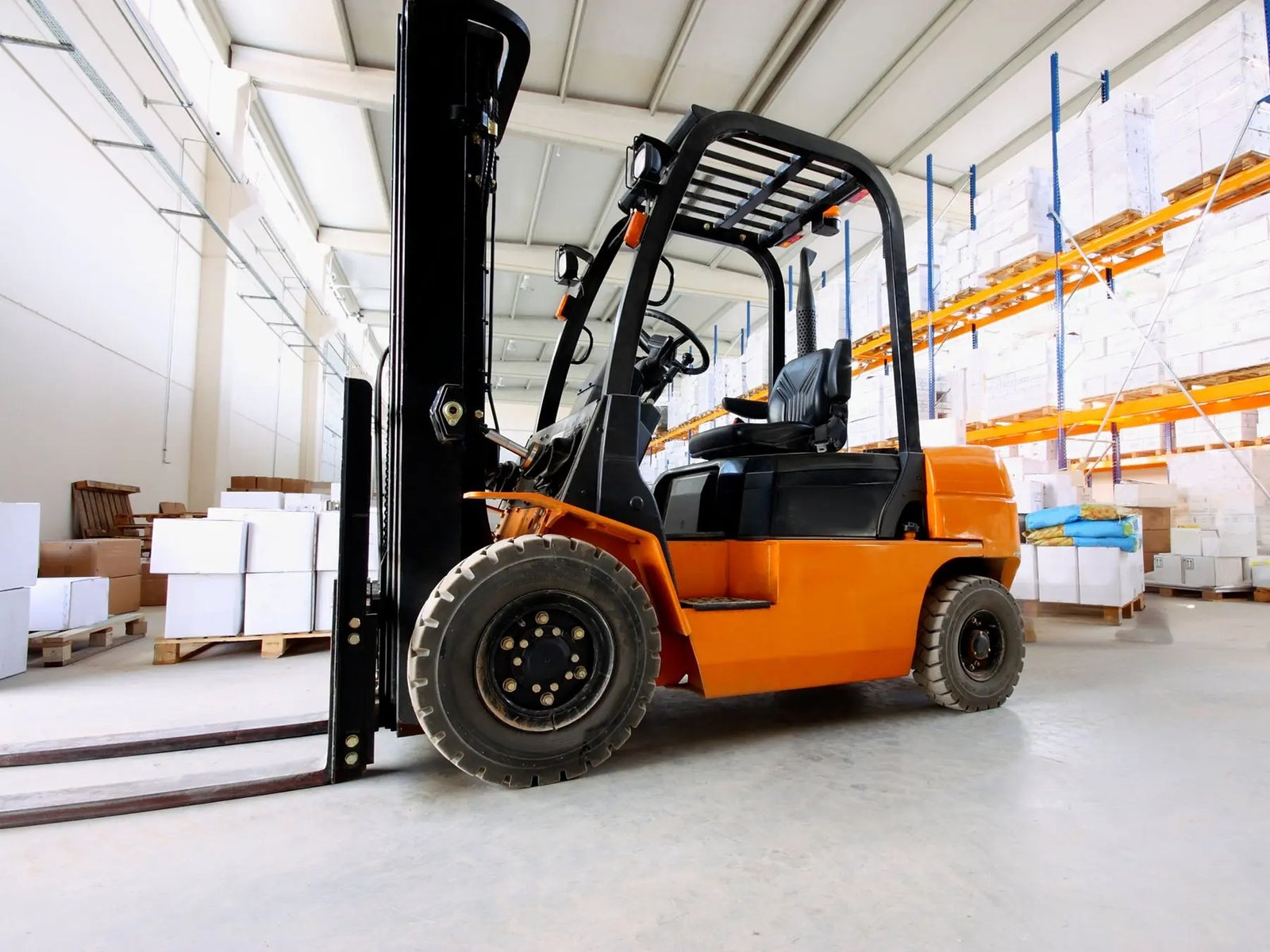
Counterbalance forklifts use a rear counterweight and can drive straight up to loads without outriggers.
They’re the most popular forklift worldwide—used in factories, logistics centers, and distribution hubs.
At Voltruk, our 1.5–3.5T electric counterbalance models fit 80% of global warehouse needs. Lithium batteries, AC motors, and compact turning radius make them ideal indoors.
Diesel counterbalance forklifts dominate outdoor environments like construction sites and ports.
H3-2.1: 3-Wheel vs 4-Wheel Counterbalance Forklifts
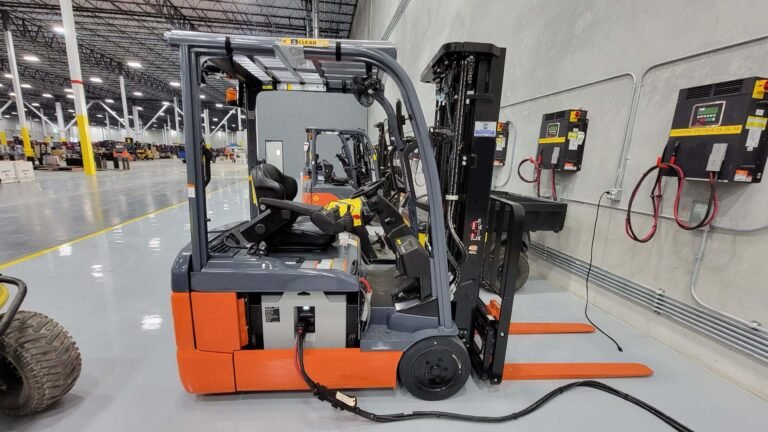
- 3-wheel → tight aisles, small warehouses, retail
- 4-wheel → more stability, outdoor surfaces, heavier loads
Turning radius often decides the correct choice more than load capacity.
H3-2.2: Electric vs Diesel vs LPG Counterbalance Models
- Electric → quiet, clean, low maintenance
- Diesel → high torque, long outdoor hours
- LPG → smoother indoor performance than diesel but needs ventilation
Lithium is now the preferred option for most global warehouses.
H3-2.3: When Counterbalance Forklifts Are the Best Choice
Choose counterbalance forklifts when:
- You lift full pallets regularly
- Aisles are moderately wide
- You need universal operator familiarity
- You want simple, versatile workflow
Rental companies love this category for its wide usability.
Warehouse Forklifts: Pallet Trucks, Stackers, and Reach Trucks
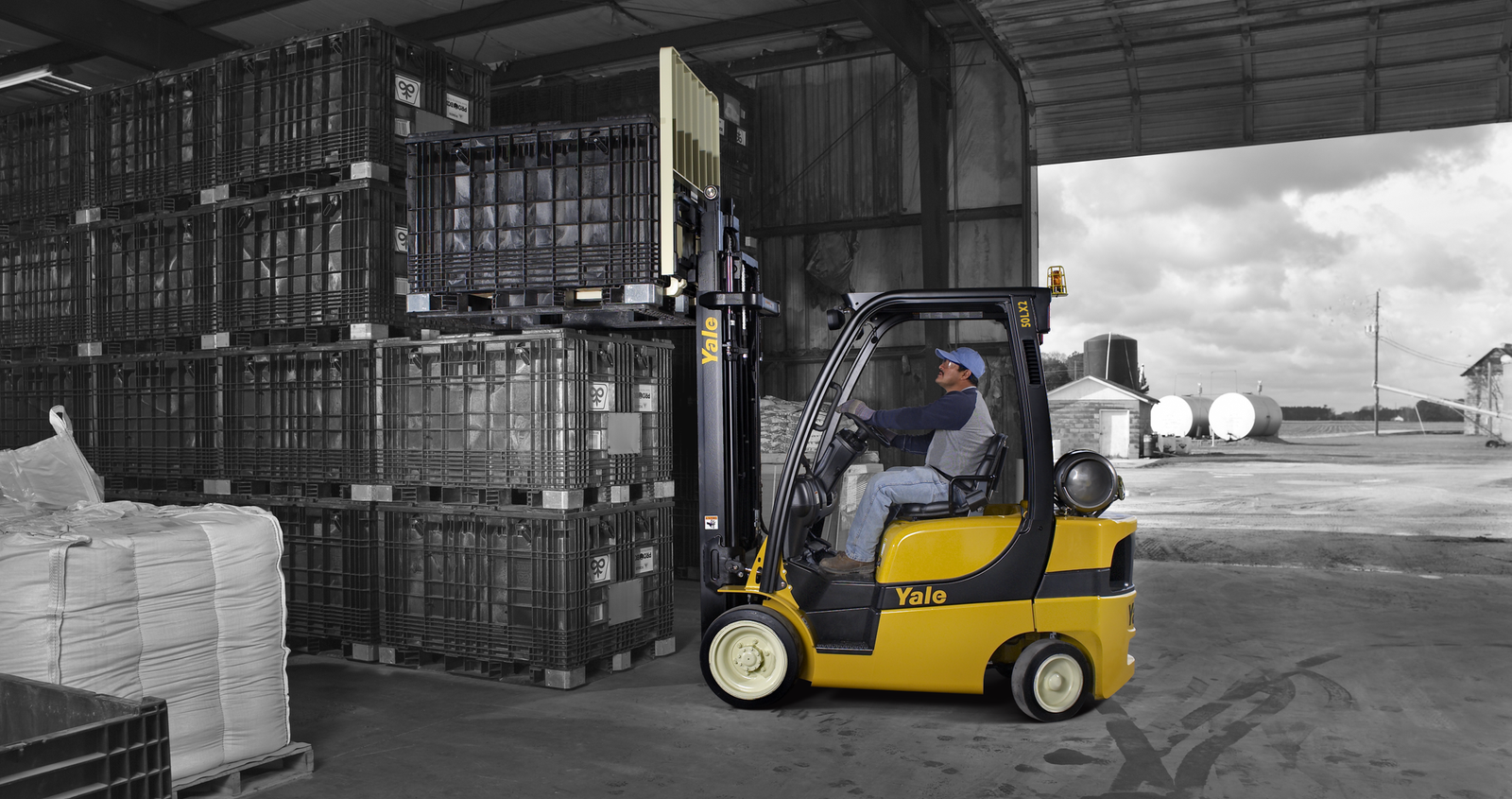
Warehouse forklifts include:
- Electric pallet trucks
- Electric stackers
- Reach trucks
These are the backbone of modern storage facilities. They’re ideal for fast rotation, low maintenance, and narrow aisles.
At Voltruk, we specialize in warehouse equipment with CATL/EVE/Gotion batteries and AC drive systems.
H3-3.1: Electric Pallet Trucks — Ground-Level Transport
Used for:
- Loading docks
- Cross-docking
- Retail
- Truck loading
Benefits:
- Low fatigue
- High efficiency
- Very low maintenance
Most warehouses build fleets of pallet trucks before adding stackers and reach trucks.
H3-3.2: Electric Stackers — Small-Space Vertical Lifting
Stackers are perfect for:
- Small warehouses
- Narrow aisles
- Light-to-medium duty lifting
They offer high lift at low cost—but are not suited for uneven ground or heavy multi-shift operations.
H3-3.3: Reach Trucks — High-Bay, Narrow-Aisle Storage
Reach trucks are ideal for:
- 6–12m racking
- Narrow aisles
- High-speed pallet handling
Pantograph mechanisms allow deep-rack storage without increasing truck size.
H4-3.3.1: Sit-On vs Stand-On vs Walk-Behind Reach Trucks
- Sit-on → longer travel distances
- Stand-on → narrow aisles
- Walk-behind → ultra-compact operations
Warehouse layout determines which is best.
H4-3.3.2: Common Mistakes in Reach Truck Selection
Mistakes to avoid:
- Ignoring aisle width
- Underestimating required battery size
- Overestimating operator clearance
Warehouse photos/video often solve these issues instantly.
Specialized Forklifts for Unique Applications
Specialized forklifts serve environments where standard forklifts cannot perform effectively.
These include:
- Rough-terrain forklifts
- Order pickers
- Tow tractors
H3-4.1: Rough-Terrain Forklifts — Outdoor Power
Used in:
- Construction
- Lumber yards
- Agriculture
- Outdoor yards
Features:
- Pneumatic tires
- High ground clearance
- Strong axles
Not recommended for indoor floors.
H3-4.2: Order Pickers — Piece-Picking and E-Commerce
Order pickers lift operators + load for piece selection.
Used in:
- E-commerce
- Retail distribution
- High-SKU warehouses
Lithium order pickers excel because opportunity charging keeps them working all day.
H3-4.3: Tow Tractors — Material Flow & Multi-Trailer Movement
Tow tractors pull carts instead of lifting pallets.
Used in:
- Automotive plants
- Airports
- Assembly lines
H4-4.3.1: Battery Sizing for Tow Tractors
Tow tractors require higher-capacity batteries for long-distance pulling.
Lithium prevents torque decline during long shifts.
H4-4.3.2: Safety in Multi-Trailer Towing
Key considerations:
- Braking distance
- Trailer swing
- Ramp handling
Training significantly reduces risk.
How to Choose the Right Forklift Type for Your Operation?
Choosing the right forklift depends on:
- Load weight
- Lift height
- Aisle width
- Duty cycle
- Terrain
- Indoor/outdoor conditions
Forklift selection is workflow-based, not brand-based.
Many buyers choose oversized counterbalance forklifts and suffer slow maneuvering. Proper measurement prevents this.
Voltruk helps customers select forklift types with simple warehouse photos or videos.
H3-5.1: Matching Forklift Type to Load, Height, Aisle & Duty Cycle
A simple guide:
- Pallet truck → ground transport
- Stacker → small vertical storage
- Reach truck → narrow aisle, high lift
- Counterbalance → general use
- RT forklift → outdoor rough ground
Your layout determines the forklift—not the other way around.
H3-5.2: Real Mistakes Buyers Make
Examples I’ve seen:
- Buying reach trucks for warehouses with no racks
- Buying diesel forklifts for food production (rejected by QA)
- Buying stackers for heavy-duty multi-shift work
Correct type selection avoids downtime and returns.
H3-5.3: A 5-Step Workflow for Choosing the Correct Forklift
- Measure aisle width
- Confirm maximum lift height
- Check daily shift hours
- Determine indoor vs outdoor use
- Choose power type (lithium, lead-acid, diesel, LPG)
H4-5.3.1: Electric vs Diesel vs Lithium — Choosing the Right Powertrain
- Diesel → outdoor, long hours
- Lead-acid → low-budget indoor use
- Lithium → multi-shift, warehouse efficiency
Lithium now replaces lead-acid in most new projects.
H4-5.3.2: When Voltruk’s Electric Lineup Fits Best
Choose Voltruk if you need:
- 15–25 day OEM delivery
- CATL/EVE/Gotion lithium packs
- Narrow-aisle solutions
- AC drive systems
- LA warehouse spare parts
Plus factory-direct pricing with strong QC.
Conclusion
Understanding forklift categories helps you choose equipment that improves productivity, reduces maintenance, and enhances safety.
- Counterbalance forklifts → general tasks
- Warehouse forklifts → tight-space efficiency
- Specialized models → unique environments
Voltruk offers a full electric lineup built for modern warehouses—fast delivery, OEM branding, factory-direct pricing, and stable lithium performance.
Next Steps (CTA)
👉 Get wholesale quote
👉 Request OEM samples
👉 Download temperature chart PDF
👉 Visit LA warehouse
👉 Email Frank: info@voltruk.com
FAQ (10 Q&As)
Q1: What is the most common type of forklift?
A1: The counterbalance forklift is the most widely used globally. It handles general warehouse and factory tasks with strong versatility.
Q2: What forklift is best for narrow aisles?
A2: Reach trucks or 3-wheel electric forklifts work best due to their tight turning radius.
Q3: Which forklift is ideal for high racks?
A3: Reach trucks and order pickers handle high-bay storage from 6m to 12m.
Q4: What’s the difference between a stacker and a pallet truck?
A4: Pallet trucks move pallets on the ground; stackers lift them vertically.
Q5: Are electric forklifts better than diesel?
A5: Indoors—yes. Electric forklifts are quieter, cleaner, and lower in maintenance.
Q6: What forklift is best for e-commerce warehouses?
A6: Reach trucks and order pickers offer high-speed access to high racks.
Q7: Which forklift type has the lowest maintenance?
A7: Lithium-electric forklifts—minimal moving parts and no acid maintenance.
Q8: What forklift works best on rough terrain?
A8: Rough-terrain forklifts with pneumatic tires and reinforced axles.
Q9: Stackers vs reach trucks—how do I choose?
A9: Stackers suit lower heights and small spaces; reach trucks suit high racks and narrow aisles.
Q10: Can Voltruk supply all forklift categories?
A10: Yes—Voltruk provides electric forklifts, pallet trucks, stackers, reach trucks, tow tractors, and order pickers with OEM support and fast delivery.