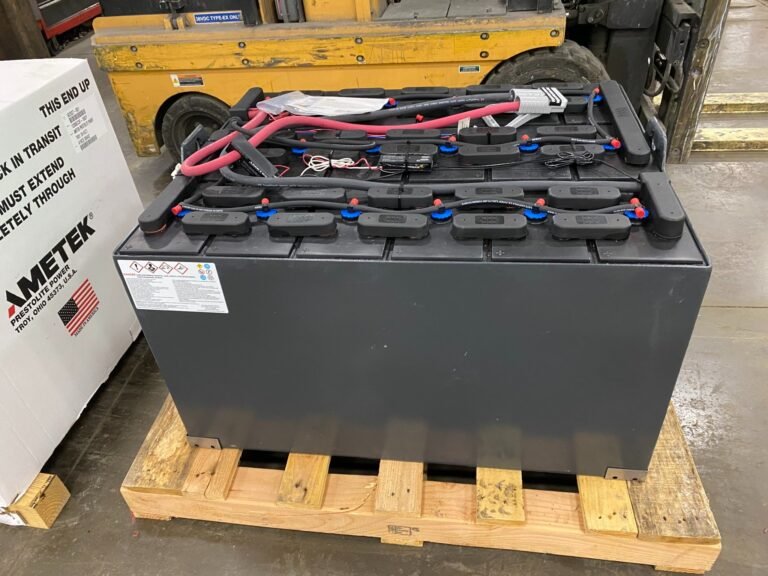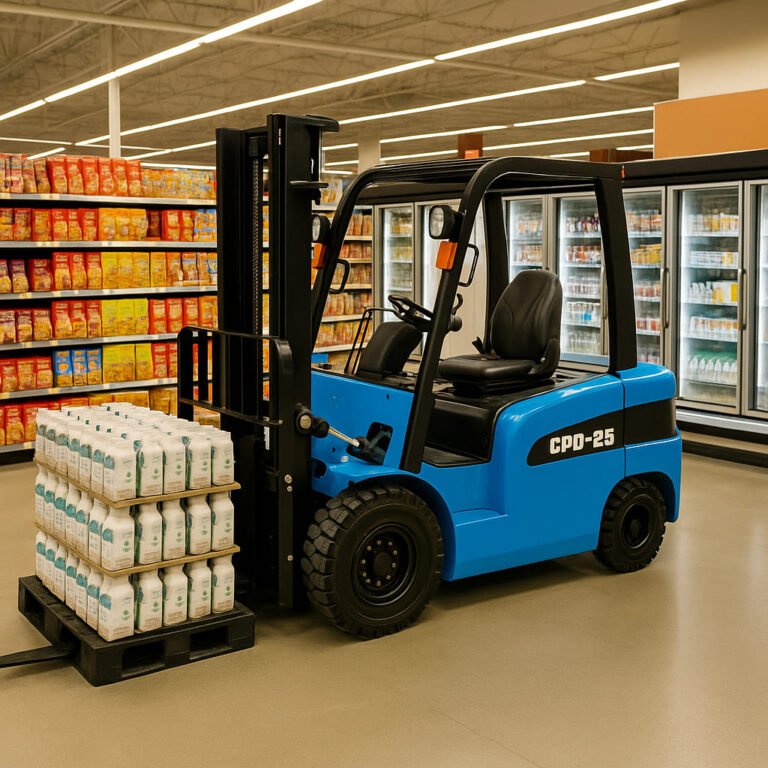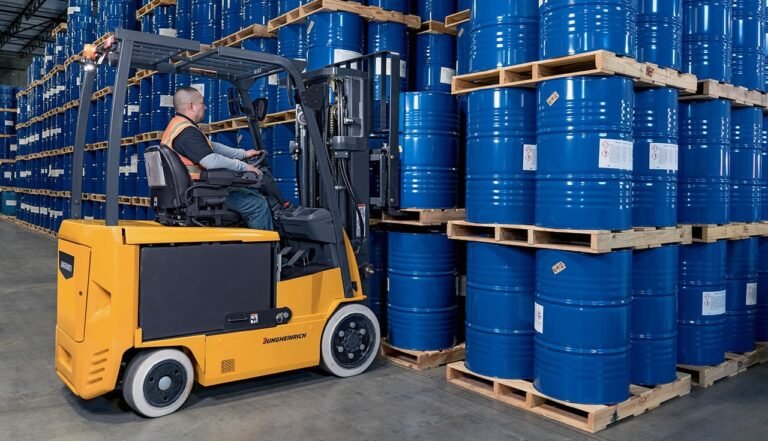
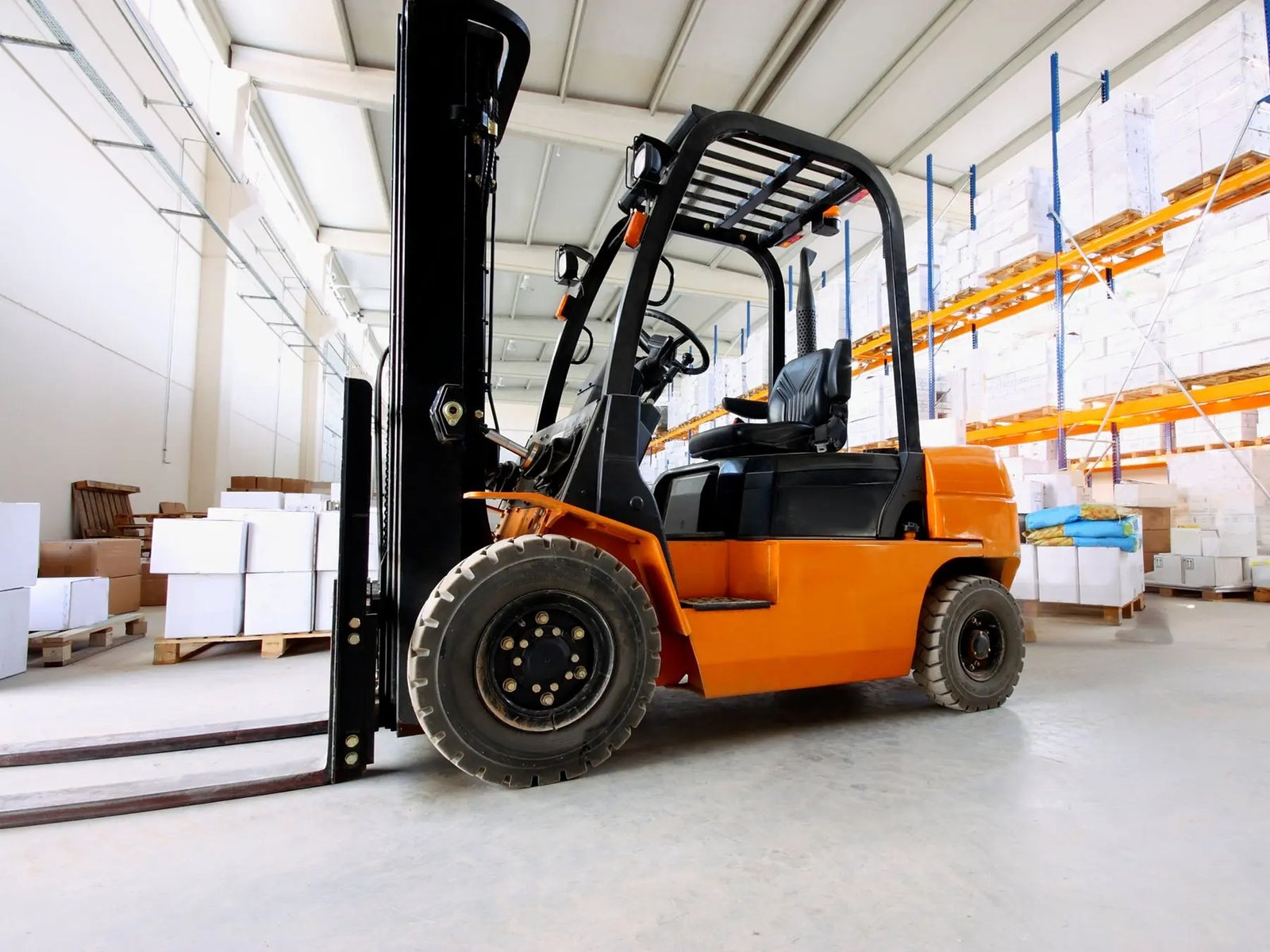
When customers ask me, “How long will the battery of an electric forklift last?”, they’re usually asking about real operating uptime—not theoretical numbers.
Electric forklift batteries generally last 2,000–3,500 cycles (about 4–7 years), depending on battery type, charging habits, workload, and temperature.
I still remember a client in Chile who thought his lithium battery failed after 18 months—until we discovered his operators were fast-charging three times per shift. After correcting the habits, his runtime increased immediately.
How Long Does an Electric Forklift Battery Last?
Most electric forklift batteries last 4–7 years or 2,000–3,500 cycles, with lithium models offering nearly double the cycle life of lead-acid batteries.
At Voltruk, I often explain that battery life depends on chemistry, usage behavior, and environment. Two identical forklifts can behave differently after two years because of operating conditions.
Cycle Life Ranges I Commonly See
- Lithium (CATL / EVE / Gotion) → 2,500–4,000 cycles
- Lead-acid deep cycle → 1,200–1,800 cycles
- Multi-shift heavy work → cycle consumption rises fast
- Cold storage → runtime drops 15–25%
- Hot outdoor work → thermal aging increases
Cycle Life vs Service Life
- Cycle life = chemical aging
- Service life = real-world warehouse behavior
The longest-lasting batteries I’ve seen share two habits:
- Charging before SOC drops below 20%
- Avoiding direct sunlight or heat when parked
Lifespan by Industry
| Industry | Battery Aging Level |
|---|---|
| Manufacturing | Slow / Stable |
| 3PL Distribution | Medium |
| Cold Storage | Faster aging |
| Construction / Outdoor | Fastest aging |
What Affects the Battery Life of a Forklift?
Battery life depends on temperature, charging behavior, workload, maintenance, and battery type.
Inside our factory, every forklift undergoes load tests, thermal rise checks, and durability testing. These show exactly what shortens battery life.
Temperature – The Most Underestimated Factor
Ideal operating range:
- 15–35°C
High temperatures accelerate chemical wear; low temperatures reduce runtime.
A client in California parked forklifts under direct sun. After shading the area, runtime went up immediately.
Charging Behavior – The Deciding Habit
Most early battery failures come from bad charging routines, not defects.
Common wrong habits:
- Fast-charging every shift
- Running the battery to 0%
- Leaving charger connected overnight
- Using non-OEM chargers
- Dirty or loose connectors
Correct habits:
- Charge at 20–30% SOC
- Avoid continuous fast charges
- Use OEM chargers
- Keep terminals clean
- Let batteries rest 5–10 min before heavy use
If you want a charging temperature chart PDF, I can prepare it.
Lithium vs Lead-Acid Battery Life in Forklifts
Lithium batteries last longer, charge faster, and require less maintenance. Lead-acid is cheaper but ages faster and needs more care.
Real Cycle-Life Comparison
| Specification | Lithium (CATL/EVE/Gotion) | Lead-Acid |
|---|---|---|
| Cycle Life | 2,500–4,000 | 1,200–1,800 |
| Daily Runtime | 6–8 hours | 4–6 hours |
| Charging Time | 2–3 hrs fast / 4–6 hrs normal | 6–8 hours |
| Maintenance | None | Watering + equalizing |
| Heat Impact | Low | High |
| Typical Lifespan | 5–7+ years | 3–4 years |
In 2017, we shipped mostly lead-acid. Today, 90%+ of our exports are lithium, especially in the 2.5–3.5T range.
Why Lithium BMS Extends Life
A BMS protects against:
- Over-charge
- Over-discharge
- Overheating
- Excess current
- Cell imbalance
This is why rental fleets prefer lithium.
How to Extend the Life of a Forklift Battery
You can extend battery life by managing temperature, charging properly, avoiding deep discharge, and doing simple routine maintenance.
Daily & Weekly Maintenance Checklist
Daily
- Charge at 20–30% SOC
- Check connectors
- Keep battery dry and clean
- Avoid heavy vibration
Weekly
- Check peak operating temperature
- Ensure charger ventilation
- Clean terminals
Monthly
- Compare runtime vs rated capacity
- Update BMS firmware (lithium)
Storage Rules for Idle Forklifts
If unused for weeks:
- Keep SOC at 55–65%
- Store at 15–25°C
- Recharge every 30–45 days
- Avoid sealed/humid rooms
- Do NOT store fully charged
Signs Your Forklift Battery Is Failing
Common warning signs include:
Operational Warning Signs
- Runtime drops 30–40%
- Forklift slows under load
- Hydraulics weaken at end of shift
- Longer charging time
- Voltage dips during lifting
Physical & BMS Warning Signs
- Battery swelling (stop immediately)
- Abnormal heat during charging
- Frequent BMS faults
- Odor or liquid residue
- Corrosion on connectors
We offer a simple:
photo → diagnosis → credit/solution system.
Conclusion
For warehouses and distributors, battery life determines uptime and overall operating cost.
With proper use, lithium batteries—especially CATL / EVE / Gotion—deliver 5–7 years of stable performance.
If you’re planning to deploy or stock 2.5–3.5T lithium forklifts, I can prepare complete recommendations and quotations anytime.
Next Steps (CTA)
👉 Get wholesale quote
👉 Request OEM samples (20–25 days)
👉 Download temperature chart PDF
👉 Visit our LA warehouse
👉 Email Frank: info@voltruk.com
FAQ
Q1: How many years does a lithium forklift battery last?
Usually 5–7 years, supported by 2,500–4,000 cycles.
Q2: How long can a forklift run per charge?
6–8 hours in normal warehouse conditions.
Q3: Does fast charging reduce battery life?
Occasionally is fine; daily fast-charging accelerates aging.
Q4: Can I replace a lead-acid battery with lithium?
Yes—just check voltage, dimensions, and charger compatibility.
Q5: What temperature is ideal for forklift batteries?
15–35°C for best lifespan.
Q6: Do lithium batteries require maintenance?
Almost none; BMS handles balancing.
Q7: What are early signs of battery aging?
Short runtime, weak lifting, overheating, and BMS warnings.
Q8: How harmful is deep discharge?
Very harmful—avoid dropping below 10–15%.
Q9: How often should forklift batteries be charged?
Lithium: anytime between 20–80%. Lead-acid: once per shift.
Q10: How should forklift batteries be stored?
Store at 55–65% SOC, cool & dry, recharge monthly.